
small vibrating screen
Small Vibrating Screens: An Overview of Applications and Selection
A small vibrating screen is a compact and versatile piece of separation equipment used across numerous industries to classify, scalp, dewater, or separate materials by particle size. Utilizing vibrations to stratify and convey particles across a screen surface, these machines are essential for processing small batches, conducting laboratory tests, or operating in space-constrained environments. Their applications range from mineral sampling and chemical processing to food production and recycling. This article delves into the core principles, types, key selection criteria with comparative analysis, and real-world applications of these indispensable tools.
Types and Working Principles
Small vibrating screens operate on the principle of imparting rapid, multi-directional vibrations to a screen deck (or mesh). This motion causes particles to stratify (with finer material sinking) and convey across the deck. Oversize material travels over the screen surface as "overs," while undersize particles pass through as "fines." Common drive mechanisms for small screens include:
- Vibratory Motor (Rotary): A single or pair of unbalanced motors generate a circular or linear vibration. Known for simplicity and robustness.
- Electromagnetic Drive: Uses an electromagnet to create high-frequency, low-amplitude vibrations. Ideal for fine screening and delicate materials.
- Direct Force Exciters: Utilizes rotating eccentric weights to produce a controllable linear vibration.
Key Selection Criteria: A Comparative Guide
Choosing the right small vibrating screen depends on specific operational needs. The table below contrasts critical factors:.jpg)
| Feature / Type | Vibratory Motor Screen | Electromagnetic Screen | Gyratory / Rotary Sifter |
|---|---|---|---|
| Primary Motion | Circular or Linear | High-frequency Linear | Gentle Gyratory & Vertical |
| Best For | General-purpose grading, granular materials. | Fine separation (< 100 mesh), powders, sticky materials. | Scalping, fragile crystals, some food products. |
| Throughput | Moderate to High (for its size) | Lower to Moderate (precision-focused) | Moderate |
| Main Advantage | Rugged, low maintenance, cost-effective. | Excellent for difficult-to-screen fines; precise control. | Gentle action minimizes product degradation. |
| Limitation | Can be noisy; less effective on very fine powders. | Lower capacity; not for heavy abrasive materials. | Can be less efficient for high-volume dewatering. |
Additional selection parameters include:
- Screen Deck & Media: Material (e.g., stainless steel for corrosion resistance), mesh type (woven wire, polyurethane), and configuration (single or multi-deck).
- Operation: Batch vs. continuous processing requirements.
- Hygiene: Sanitary design with easy-clean features is critical in food/pharma.
Real-World Application Case Study: Recycling Plant
A mid-sized e-waste recycling facility faced challenges in consistently separating fine copper and aluminum fragments from crushed plastic flakes after initial crushing stages. Their manual sieving process was slow and inconsistent.
Solution: The plant installed a small, single-deck vibratory motor screen with a stainless-steel woven mesh deck in-line with their conveyor system.
Implementation & Outcome: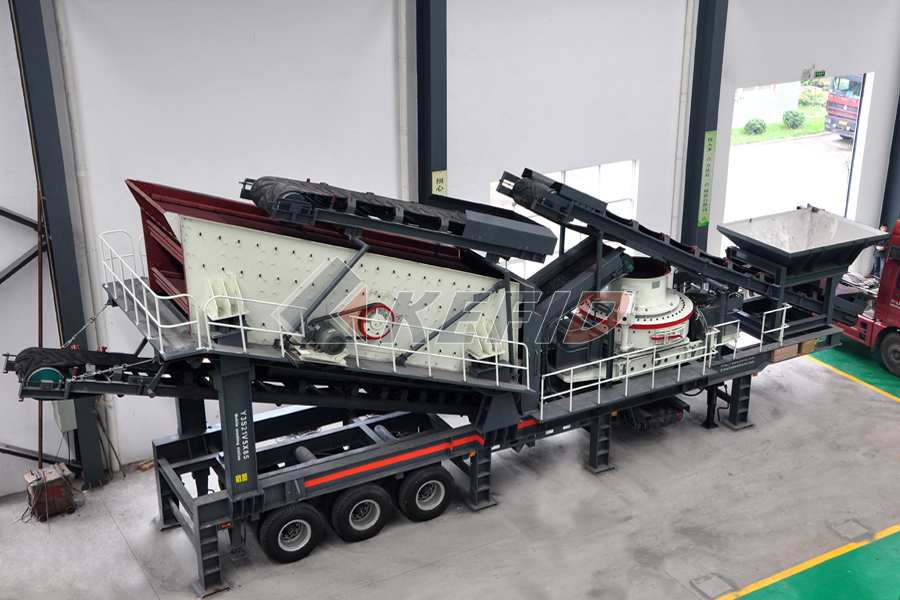
- The pre-sorted crushed material was fed onto the vibrating screen.
- The screen's linear vibration effectively separated sub-5mm metal fragments (which passed through the mesh) from larger plastic flakes (which discharged as oversize).
- This automated step resulted in a 40% increase in metal recovery purity and boosted overall plant throughput by an estimated 15% by relieving a key bottleneck.
- The compact footprint allowed installation without major layout changes.
This case underscores how a correctly specified small vibrating screen can significantly enhance efficiency and product quality in a modular way.
Frequently Asked Questions (FAQ)
Q1: How do I prevent my small vibrating screen from blinding (mesh clogging)?
Blinding is often caused by near-size particles or moist, sticky material. Solutions include using screens with anti-blinding devices like ball trays (where rubber balls bounce beneath the mesh to dislodge particles), selecting alternative screen media like tensioned polyurethane panels with tapered openings, or adjusting operational parameters such as vibration amplitude/frequency.
Q2: Can a small vibrating screen be used for liquid-solid separation?
Yes, this process is known as dewatering or draining. Small vibratory dewatering screens are designed with a fine mesh to retain solids while allowing liquid to pass through. They are commonly used in industries like ceramics (slurry dewatering) or wastewater treatment for sludge thickening on a pilot scale.
Q3: What are the most critical maintenance aspects for long service life?
Regular inspection and maintenance of the spring elements (if equipped) for wear or breakage is vital as they isolate vibrations. Periodic checking of drive motor mounts and electrical connections for tightness is crucial due to constant vibration. Finally, timely replacement of worn screen meshes prevents damage to the frame from unbalanced feed.
Q4: How do I determine the correct mesh size for my application?
Mesh size selection is based on your desired cut point—the particle size you aim to separate at—and must account for material characteristics like moisture content which can affect screening efficiency.It is standard practice to perform lab-scale sieve analysis tests on your material first.The chosen mesh opening should typically be slightly larger than your target cut point due to stratification dynamics during vibration.For precise grading,a test rental of the machine with different meshes is highly recommended before purchase.
Q5: Are there sanitary designs available for food or pharmaceutical use?
Absolutely.Small vibrating screens for these industries are constructed with polished stainless steel contact surfaces,lack crevices,and feature quick-release clamps for fast disassembly.Certifications like USDA approval or compliance with FDA CFR Title 21 standards are common.They may also be equipped with fully enclosed designs and CIP (Clean-in-Place) capabilities