
gold mining in tajikistan
Gold Mining in Tajikistan: An Overview
Gold mining is a significant and growing sector within Tajikistan's economy, contributing substantially to national exports and government revenue. The industry is characterized by a mix of large-scale industrial operations, primarily focused on hard-rock deposits, and widespread artisanal and small-scale mining (ASGM). Tajikistan's gold reserves are concentrated in the Tien Shan mountain belt, with key deposits located in the north (Sughd Province) and the central-eastern regions. While the sector offers economic promise, it faces challenges related to infrastructure, investment climate, and environmental management. This article examines the current state, key players, methods, and future prospects of gold mining in the country.
Key Players and Production Methods
The industry is dominated by a few major operators alongside numerous small entities.
| Mining Type | Primary Method | Key Example/Region | Characteristics |
|---|---|---|---|
| Large-Scale Industrial | Open-pit & Underground Mining (Cyanide Leaching) | Zeravshan Gold Company (ZGC) - Jilau & Taror sites | Foreign-invested; high-tech processing plants; accounts for bulk of official production. |
| Aprelevka Mine (Tillopko) | Another major producer using conventional cyanidation. | ||
| Artisanal & Small-Scale (ASGM) | Primitive Placer & Hard-Rock Mining | Pamir Mountains & Northern river valleys | Manual labor; use of mercury for gold amalgamation; significant informal production; environmental & health hazards. |
The contrast between these sectors is stark. Industrial mines like those operated by ZGC (a joint venture between the Tajik government and foreign investors) employ modern geophysical surveys, computerized machinery, and carbon-in-leach (CIL) plants to extract gold from ore. In contrast, ASGM activities often involve basic tools, manual crushing of ore, and the use of toxic mercury to separate gold—a practice leading to severe local pollution and health risks for miners..jpg)
Real-World Case: The Zeravshan Gold Company (ZGC) Operation
A concrete example of modern industrial mining in Tajikistan is the Zeravshan Gold Company's operation at the Jilau deposit. Facing declining ore grades at its original Taror site, ZGC invested in developing Jilau.
- Challenge: Processing lower-grade refractory ore efficiently.
- Solution: Implementation of a full-scale CIL processing plant capable of handling over 1 million tonnes of ore annually. The process involves crushing and milling the ore into a fine slurry, leaching the gold using a dilute cyanide solution in agitated tanks, and then adsorbing the dissolved gold onto activated carbon for recovery.
- Outcome: This project extended the life of major mining operations in the Sughd Province, maintained employment, and secured continued revenue streams. It demonstrates how technological investment is crucial for sustaining industrial output as easily accessible reserves diminish.
Frequently Asked Questions (FAQ)
-
How much gold does Tajikistan produce annually?
According to official data from Tajikistan's Ministry of Industry and New Technologies and international trade reports, annual gold production fluctuates but has generally ranged between 6 to 8 tonnes in recent years. A significant portion comes from ZGC's operations. -
What are the main environmental concerns with gold mining in Tajikistan?
The primary concerns differ by sector. For industrial mines, issues include the management of tailings dams (storage facilities for processed waste rock and chemicals) and long-term land rehabilitation. For ASGM, the most acute problem is mercury pollution from amateur amalgamation processes, which contaminates soil and waterways. -
Is there conflict between large companies and artisanal miners?
Yes, conflicts over land access and mineral rights do occur. Artisanal miners sometimes operate on or near concessions licensed to large companies or on legally restricted sites like riverbeds used for agriculture or drinking water sources.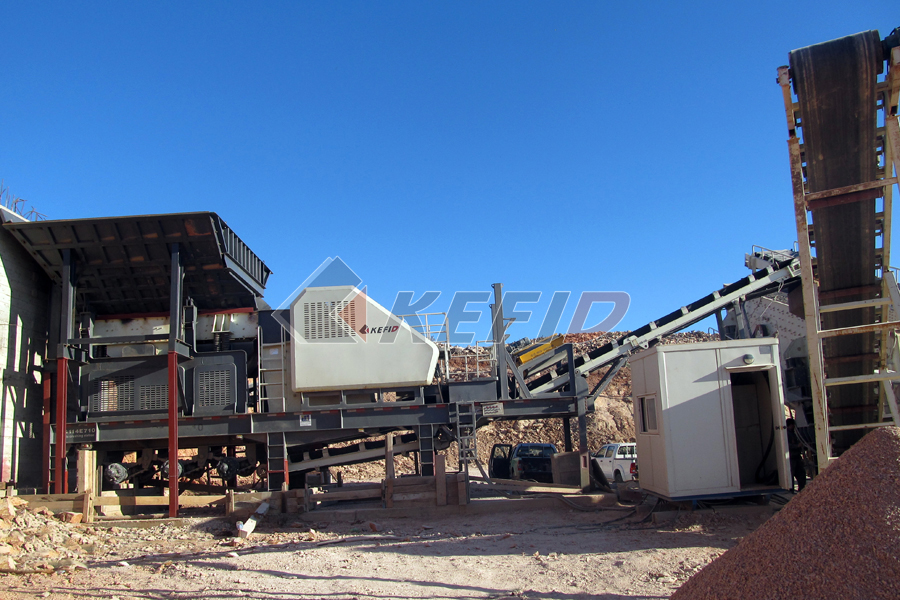
-
What is being done about mercury use in ASGM?
With support from international organizations like UNEP and GEF,Tajikistan has initiated projects under the Minamata Convention framework to promote mercury-free extraction techniques among artisanal miners through education,and piloting technologies like borax-based methods or simple gravity concentrators.
5.Who owns Tajikistan's gold resources?
All mineral resources are state property under Tajik law.Companies operate through licenses,granted bythe government.Often,major projects are structured as joint ventures wherethe state holds a significant shareholding stake(e.g.,in ZGC),ensuring direct state participationin revenues.
Conclusion
Tajikistan's gold mining sector remains a cornerstone of its industrial economy.Its future growth hinges on attracting further foreign investment for explorationand deep-level mining development while simultaneously formalizingand regulatingthe artisanal segmentto improve safetyand reduce environmental harm.The successof operationslike ZGC's Jilau project underscores that sustainableproduction requires continuous technological adaptation.The balancing act between leveraging this resourcefor national developmentand mitigating its socialand ecological impactswill define trajectoryof this critical industryin years ahead