
equipment for mining zinc
Equipment for Mining Zinc: An Overview
Zinc mining is a complex process that involves extracting zinc ore from the earth and processing it into refined metal. The equipment used varies significantly depending on the mining method—whether underground or open-pit—and the stage of processing, from extraction to concentration and refining. This article outlines the key equipment employed across these stages, highlighting their functions and comparing primary methods. It also addresses common operational questions and presents a real-world case study of efficient zinc processing.
Key Equipment by Mining Method and Processing Stage
The choice of equipment is fundamentally dictated by the geology of the deposit. Shallow, large ore bodies are typically mined via open-pit methods, while deeper, narrower veins require underground operations.
| Mining Stage | Open-Pit Mining Equipment | Underground Mining Equipment |
|---|---|---|
| Extraction & Haulage | Hydraulic shovels, large front-end loaders, rotary blast hole drills, haul trucks (e.g., 100+ ton capacity). | Jumbo drill rigs, Load-Haul-Dump (LHD) vehicles, underground haul trucks, continuous miners for room-and-pillar mining. |
| Primary Crushing | Mobile or semi-mobile crusher stationed near the pit. | Jaw crusher or gyratory crusher installed underground or at the shaft head. |
| Ground Support | Slope stability radars, dewatering pumps. | Roof bolters, shotcrete sprayers, ground consolidation rigs. |
Following extraction, the run-of-mine ore undergoes a series of processing steps to produce zinc concentrate.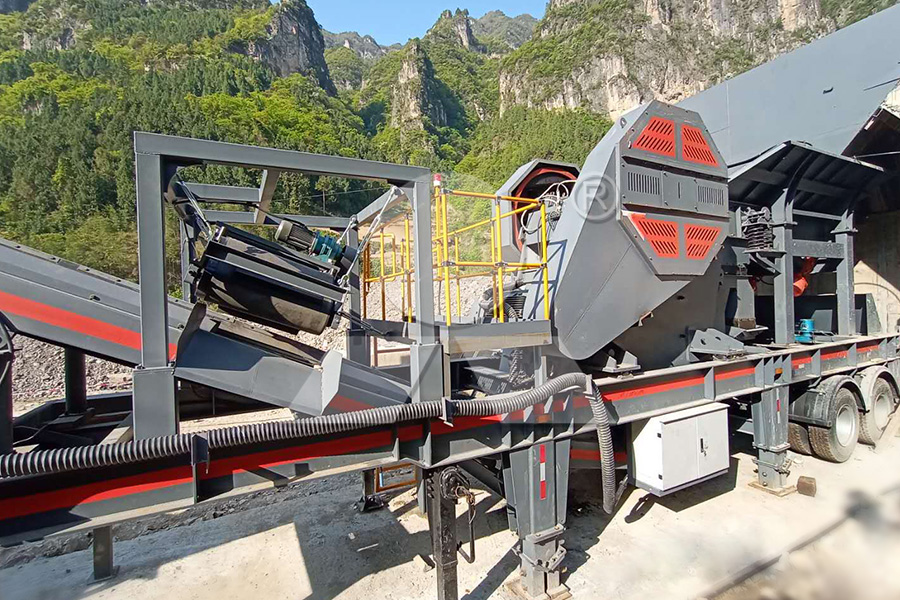
- Comminution: This size-reduction process uses gyratory or jaw crushers for primary crushing, followed by SAG (Semi-Autogenous Grinding) or ball mills for fine grinding to liberate zinc minerals.
- Concentration: The ground ore is processed via froth flotation. Key equipment includes agitation tanks (flotation cells), where reagents are added to make zinc minerals hydrophobic. Air is pumped in to create bubbles that carry the zinc particles to the surface as froth, which is skimmed off. This stage heavily relies on conditioning tanks, froth launders, and precise reagent feeders.
- Dewatering: The zinc concentrate slurry is thickened using high-rate thickeners and then dried using rotary drum filters or pressure filters (like filter presses) to create a damp filter cake for transport.
- Smelting & Refining: While not part of mining per se, mined concentrate is processed in smelters using roasters, leach circuits, electrowinning cells, and casting furnaces to produce refined zinc metal.
FAQ: Common Questions on Zinc Mining Equipment
-
Why is froth flotation the dominant method for zinc concentration?
Zinc ores often contain complex mixtures of minerals like sphalerite (zinc sulfide) alongside galena (lead) and pyrite (iron). Froth flotation is highly effective at selectively separating these minerals based on their surface chemistry, allowing for high-grade zinc concentrate recovery. -
What are the main automation trends in modern zinc mining equipment?
Automation focuses on safety and efficiency. Key trends include autonomous haul trucks in open pits, remote operation of LHDs and drill rigs underground, and advanced process control systems for flotation circuits that use real-time analyzer data to optimize reagent dosage and recovery rates. -
How does equipment choice differ for processing sulfide vs. oxide zinc ores?
The vast majority of zinc production comes from sulfide ores (like sphalerite), processed via crushing, grinding, and flotation as described. Oxide zinc ores (like smithsonite) are not amenable to standard flotation and require different processing routes such as leaching with sulfuric acid followed by solvent extraction and electrowinning (SX-EW), involving a completely different set of equipment like heap leach pads or agitated tanks. -
What is one major environmental consideration related to dewatering equipment?
Water management is critical. Modern filter presses are crucial for achieving a drier filter cake (lower moisture content), which minimizes water loss during transport reduces the risk of acid mine drainage from tailings storage facilities by removing more process water upfront for treatment/recycling.
Real-World Case Study: The Red Dog Mine
The Red Dog Mine in Alaska serves as an excellent case study for efficient bulk mining and mineral processing in a remote location.
- Situation: One of the world's largest zinc mines operates an open-pit mine in a challenging Arctic environment.
- Solution & Equipment: It employs a conventional truck-and-shovel operation with large-scale drilling, loading,and hauling equipment.The onsite concentrator was designedfor high throughput,focusing on robust froth flotation technology.The circuit was optimized over years to handlethe site's specific lead-zinc-silver ore.
- Outcome: Red Dog consistently achieves high metallurgical recovery rates.Its concentrate dewatering system producesa stable product suitablefor long-distance transport.It exemplifies how appropriate,massive-scale equipment selectionand continuous process optimizationcan overcome logistical hurdlesand maintain economic viabilitywhile meeting environmental standards.This operational datais publicly reportedin Teck Resources' annual sustainability reportsand technical disclosures.
In conclusion,the suiteof equipmentfor mining zinctransforms raw oreinto a vital industrial metalthrougha coordinated sequenceof extraction,sizing,and separation.Evolutionin this fieldcontinues towardgreater automation,efficiency,and environmental stewardship,demonstratedby operating mines worldwide