
cost of crusher mining equipment
Understanding the Cost of Crushers in Mining Operations
Crushers are fundamental pieces of equipment in the mining industry, responsible for reducing the size of mined ore for further processing. The cost of a crusher is not a single purchase price but a complex calculation encompassing initial capital expenditure (CAPEX), long-term operational costs (OPEX), and various site-specific factors. This article will break down these cost components, compare different crusher types, and provide real-world context to guide investment decisions.
Breaking Down the Cost Components
The total cost of ownership for a mining crusher can be categorized as follows:
-
Capital Expenditure (CAPEX): This is the upfront cost to acquire and install the equipment.
- Machine Purchase Price: Varies dramatically by type, size, capacity, and brand. A small mobile jaw crusher may cost hundreds of thousands of dollars, while a massive primary gyratory crusher for a large-scale mine can exceed $10 million.
- Auxiliary Equipment: Costs for feeders, conveyors, electrical infrastructure, and dust suppression systems.
- Site Preparation & Installation: Expenses for foundations, structural steel, cranes, and labor for installation.
- Transportation & Logistics: Especially significant for large components destined for remote mining sites.
-
Operational Expenditure (OPEX): The ongoing costs of running the crusher over its lifespan.
- Wear Parts Replacement: The most significant OPEX factor. Includes mantles, concaves, jaw dies, liners, and blow bars. Replacement frequency depends on material abrasiveness (e.g., granite vs. limestone).
- Energy Consumption: Crushers are major power users. Gyratory and cone crushers typically offer lower ton-per-kilowatt-hour costs for secondary crushing compared to impact crushers in certain applications.
- Labor & Maintenance: Costs for routine inspections, lubrication, mechanical repairs, and the workforce required to perform them.
- Downtime Costs: Not a direct payment but a massive financial impact. Unplanned downtime due to failures or extended wear part changes halts production.
Crusher Type Comparison: Cost & Application Trade-offs
Selecting the right crusher type is a critical cost-determining decision. The choice depends on the stage of crushing (primary, secondary/tertiary), material characteristics (abrasiveness, hardness), required product size, and capacity needs.
| Crusher Type | Typical Primary Cost Range (Relative) | Key OPEX Drivers | Best Suited For |
|---|---|---|---|
| Jaw Crusher | Medium-High | Jaw plate replacement; Energy use at high settings | Primary crushing of hard, abrasive materials. High reliability. |
| Gyratory Crusher | Very High | Mantle & concave replacement; High installation cost | Large-scale primary crushing in high-tonnage mines. Higher capacity than jaw crushers at similar settings. |
| Cone Crusher | Medium-High | Mantle & bowl liner replacement; Requires skilled maintenance | Secondary & tertiary crushing for hard-to-medium abrasive materials. Produces finer product than jaw/gyratory. |
| Impact Crusher | Medium | Blow bar replacement; Higher wear in abrasive apps; Energy use can be high if producing fines | Secondary/tertiary for softer, less abrasive materials (e.g., limestone). Excellent product shape/cubicity. |
Note: Ranges are indicative and highly dependent on size and specifications.
Real-World Case Study: Optimizing Costs Through Technology.jpg)
A copper mine in South America faced high OPEX from frequent liner changes in its secondary cone crushers processing highly abrasive ore. Unplanned downtime was impacting throughput.
- Solution: The mine partnered with a manufacturer to implement a predictive maintenance system using sensor technology.
- Implementation: Sensors were installed to monitor crusher parameters like power draw, pressure, and vibration in real-time.
- Outcome: The system could predict liner wear rates with over 90% accuracy based on actual operating conditions rather than fixed time intervals. This allowed the maintenance team to schedule liner changes during planned shutdowns with optimal remaining liner life—avoiding both premature changes and catastrophic failures.
- Cost Impact: This data-driven approach reduced total downtime related to liner maintenance by approximately 15% in the first year and optimized wear part inventory costs.
Frequently Asked Questions (FAQ)
-
What is typically more important to control: CAPEX or OPEX?
In long-term mining projects (>5 years), OPEX almost always outweighs CAPEX in total financial impact. A cheaper machine with higher wear rates or energy consumption can become far more expensive over its lifespan than a higher-priced but more efficient model. -
How does material abrasiveness affect cost?
Abrasiveness is the primary driver of wear part consumption—the largest OPEX item. Processing highly abrasive ore like quartzite or taconite can result in wear part costs per ton that are multiples higher than processing non-abrasive limestone. -
Are mobile/fixed crushers cheaper?
It depends entirely on the project scope: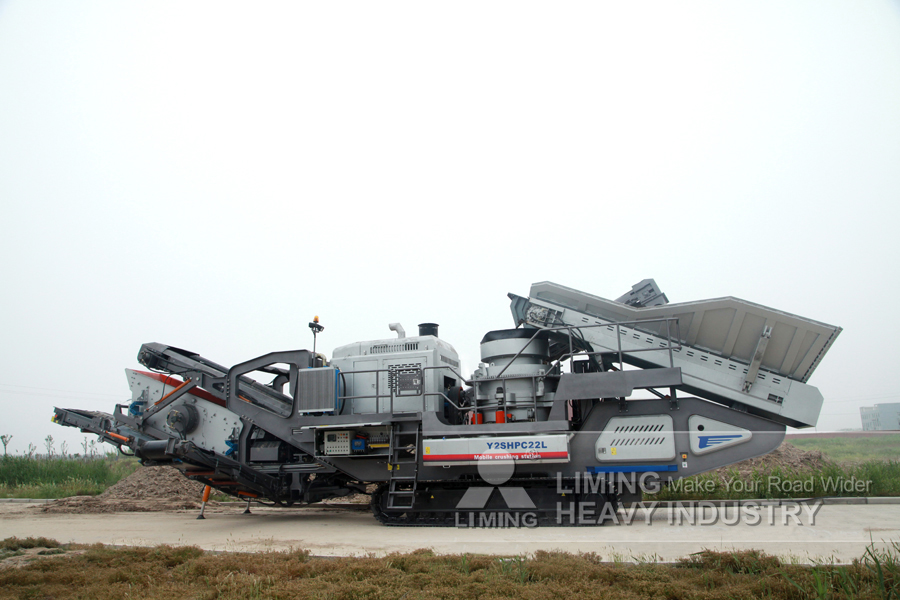
- Mobile Crushers: Higher initial CAPEX per unit but offer lower installation/mobilization costs and flexibility for multiple pits or shorter-life deposits.
- Fixed/Semi-Fixed Plants: Lower unit CAPEX but require high installation/infrastructure costs (concrete foundations). They are more efficient for long-life (>10 years), single-location mines with high annual throughput.
-
Can automation reduce crusher operating costs?
Yes significantly Automation systems optimize feed rates cavity levels CSS Closed Side Setting)and power draw leading to more consistent product size improved energy efficiency up to 10-15% savings)and reduced mechanical stress which extends component life
5 What financing options exist beyond direct purchase?
Common models include equipment leasing which preserves capital or rental agreements ideal for short-term projects Some suppliers also offer performance-based contracts where payment is tied to machine uptime or tons crushed transferring some operational risk