
sales mining equipment in vietnam
Sales of Mining Equipment in Vietnam: Market Overview and Strategic Insights
The mining industry in Vietnam, encompassing coal, bauxite, rare earths, and construction minerals, is a significant sector driving economic development. Consequently, the market for mining equipment sales is dynamic and competitive, characterized by growing demand for modern, efficient, and environmentally compliant machinery. This article provides an overview of the market landscape, key considerations for equipment selection, and practical insights for suppliers and buyers navigating this sector.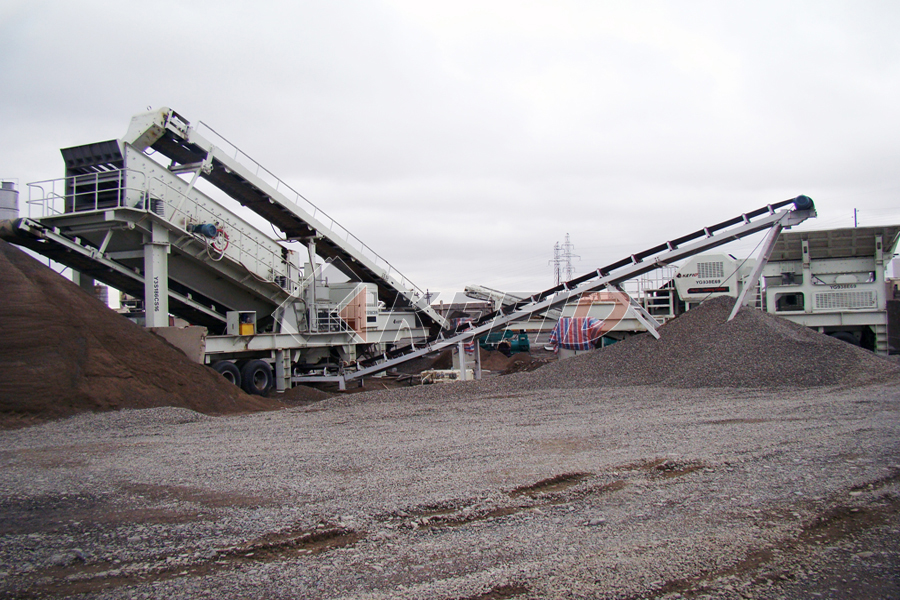
The Vietnamese mining sector presents diverse equipment needs, from exploration and drilling to extraction, crushing, and material handling. International brands like Caterpillar (USA), Komatsu (Japan), Sandvik (Sweden), and Liebherr (Switzerland) hold strong positions in the high-end market due to their reliability and technology. Meanwhile, Chinese manufacturers (e.g., SANY, XCMG) compete aggressively on price for mid-range equipment. Domestic assembly is also growing for certain machinery types. Key purchasing factors include total cost of ownership (TCO), adaptability to Vietnam's often rugged terrain and tropical climate, availability of spare parts, and compliance with increasingly stringent regulations on safety and environmental impact.
Equipment Selection Considerations: A Comparative Overview
Prospective buyers must weigh several factors. The following table contrasts primary considerations when choosing between established international brands and value-focused alternatives.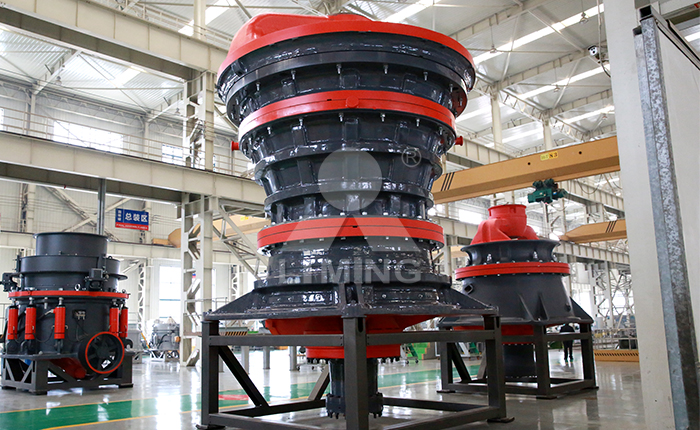
| Consideration | International Premium Brands (e.g., Caterpillar, Komatsu) | Value-Focused Brands (e.g., many Chinese manufacturers) | Key Insight for Vietnam Market |
|---|---|---|---|
| Initial Purchase Price | Higher | Significantly Lower | Price sensitivity is high among small-to-mid size contractors. |
| Technology & Efficiency | Advanced; often better fuel efficiency & automation features | Improving, but may lag in cutting-edge tech | Efficiency gains are valued in large-scale, long-term projects. |
| Durability & Lifespan | Generally engineered for longer lifespan under heavy use | Can be sufficient for less intensive or shorter-term projects | Harsh mining conditions make durability a critical TCO factor. |
| After-Sales Service & Parts Network | Extensive global network; established dealers in Vietnam (e.g., VEDC for Cat) | Network is expanding but can be inconsistent; parts availability may vary. | A robust local service network is often a decisive competitive advantage. |
| Resale Value | Typically higher residual value. | Depreciates faster. | Important for contractors who regularly update their fleets. |
Real-World Case Study: Dust Control in Bauxite Mining
A major bauxite mining complex in the Central Highlands faced challenges with dust suppression during dry season operations, impacting worker health, equipment longevity, and community relations. The solution involved procuring specialized dust control systems, including:
- High-Pressure Mist Cannon Trucks: Mobile units were deployed around excavation sites and haul roads.
- Conveyor Belt Dust Suppression Systems: Automated spray systems were installed at transfer points.
- Results: Documented reports from the project indicated a reduction in airborne particulate matter by over 60% on-site, leading to improved regulatory compliance and lower maintenance costs for nearby equipment. This case underscores the growing market niche for environmental control solutions within the broader equipment sector.
FAQ
1. What are the main regulations affecting mining equipment imports into Vietnam?
Imported equipment must comply with Vietnamese standards (QCVN) on safety, emissions (for engines), and noise. Certification from the Ministry of Transport (for vehicles) or Ministry of Science and Technology (for machinery) is often required. It is crucial to work with a knowledgeable local agent or distributor to navigate customs clearance and certification procedures.
2. Is used or refurbished mining equipment a viable market in Vietnam?
Yes. There is strong demand for quality used equipment due to lower capital outlay. However, import regulations on used machinery are strict regarding age limits (often under 10 years) and technical conditions. Proper documentation of service history and refurbishment by certified technicians significantly enhances marketability.
3.What payment terms are most common?
Transactions vary widely. For large-scale purchases by state-owned enterprises (like Vinacomin), letters of credit (L/C) are standard through international tenders. Private contractors more commonly use telegraphic transfers (T/T). Supplier financing or leasing arrangements through partnerships with financial institutions are becoming more popular tools to facilitate sales.
4.How important is local partnership for foreign equipment suppliers?
Critical. Having a reliable local distributor or joint-venture partner is virtually essential for success beyond one-off sales contracts.They provide crucial after-sales service,warranty support,a readily available parts inventory,and navigate local business practicesand regulatory requirements effectively.Many major brands operate through exclusive authorized dealers.
5.What mining segments show the strongest growth potential forequipment sales?
While coal remains dominant,growth in quarryingand aggregate productionfor infrastructure projects(expressways,mega-urban areas) drives consistent demandfor crushing,screening,and earthmovingequipment.The government's strategic focus on developingrare earths reservesalso signals future demandfor specialized processingand extraction technologyequipmentin that sub-sector