
crushing system pricing
Understanding Crushing System Pricing: A Comprehensive Overview
The pricing of a crushing system is a complex calculation that extends far beyond the simple sticker price of machinery. It encompasses a holistic view of capital expenditure (CAPEX), operational costs (OPEX), long-term value, and the specific fit of the system to the raw material and production goals. This article will break down the key factors influencing crushing plant costs, compare common system configurations, and provide real-world context to guide investment decisions.
Key Factors Influencing Crushing System Costs
Total cost is driven by multiple interdependent variables:
- Capacity & Final Product Specifications: The required tons-per-hour (TPH) output and the needed product sizes (e.g., 0-5mm sand, 20-40mm aggregate) directly dictate the size, power, and number of crushers (primary, secondary, tertiary) and screens needed.
- Feed Material Characteristics: Hardness (measured by abrasion index & compressive strength), abrasiveness, moisture content, and initial feed size determine the type of crusher required (e.g., jaw crusher for hard rock, impact crusher for softer, less abrasive stone), wear part consumption rates, and potential need for pre-screening or washing.
- System Mobility & Setup: A stationary plant designed for a 20-year quarry base requires significant concrete foundations and infrastructure, raising initial cost but offering lowest operating cost per ton. A track-mounted mobile plant offers higher flexibility for multiple sites with minimal setup but commands a higher price premium per unit of capacity and slightly higher OPEX.
- Technology & Automation Level: Basic systems require manual monitoring and adjustment. Advanced systems with automated controls, load management, and remote monitoring increase upfront cost but optimize yield, reduce downtime, and lower labor costs.
- Wear Parts & Operational Costs (OPEX): The cost and lifespan of mantles, concaves, jaws, blow bars, and screen meshes are a major long-term expense. Systems designed for easy maintenance access reduce downtime costs.
Comparative Analysis: Stationary vs. Mobile/Track-Mounted Plants
The choice between a stationary and mobile setup is fundamental to pricing structure.
| Feature | Stationary Crushing Plant | Mobile/Track-Mounted Crushing Plant |
|---|---|---|
| Initial Capital Cost (CAPEX) | Generally lower per ton of capacity for large-scale installations. | Significantly higher per ton of capacity due to integrated chassis and mobility components. |
| Site Infrastructure Cost | High (requires concrete foundations, fixed conveyors, structural steel). | Very low (minimal to no civil work required). |
| Flexibility & Relocation | Very low; designed for a single location long-term. | Very high; can be moved between sites or within a large site in days/hours. |
| Typical Application | Large quarries, mega-construction projects with long duration (>3-5 years), industrial mineral plants. | Contract crushing, smaller quarries, demolition recycling on-site, projects requiring phased material processing. |
| Operational Cost Per Ton | Lowest over the long term due to economies of scale and optimized design. | Higher due to smaller scale potential and fuel consumption for mobility functions. |
Real-World Case Study: Granite Quarry Expansion
A granite quarry in Texas needed to increase production from 500 TPH to 800 TPH to meet new highway construction contracts.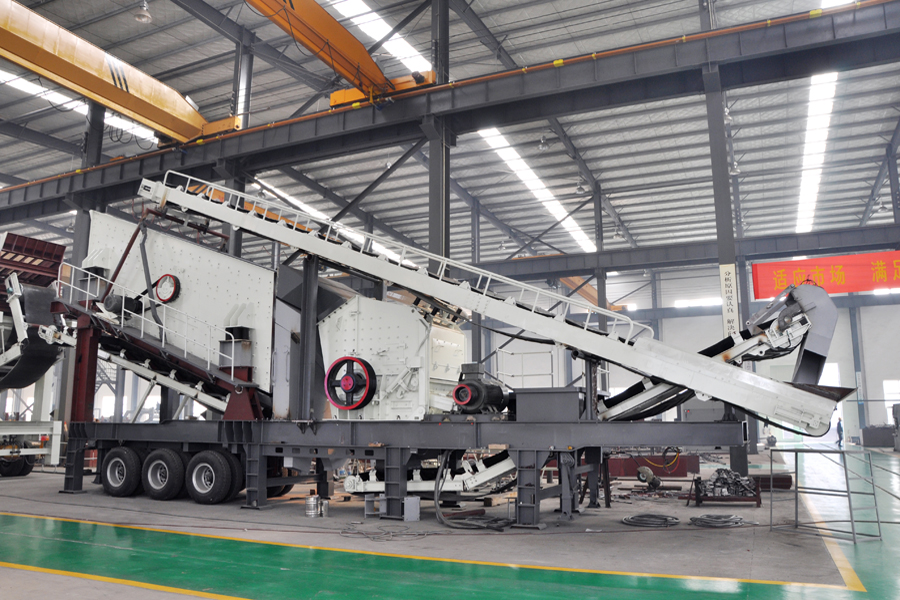
- Challenge: The existing jaw-cone stationary system was at capacity. Space for expansion was limited.
- Solution & Cost Consideration: Instead of adding a parallel stationary line requiring new land permitting and extensive civil works—a high-cost, time-consuming option—the operator invested in a large track-mounted cone crusher for secondary crushing.
- Pricing & Outcome: The mobile cone unit was fed directly by the existing primary jaw crusher’s conveyor via a mobile conveyor bridge. This modular approach had a higher equipment CAPEX than a simple additional cone crusher alone but saved over 40% in total project cost by eliminating new foundations and fixed infrastructure. It also allowed the new "circuit" to be repositioned as the quarry face advanced.
- Value Realized: The pricing decision was justified not on cheapest machinery but on lowest total project cost and retained operational flexibility.
Frequently Asked Questions (FAQ)
Q1: What is typically included in a quoted price for a complete crushing system?
A reputable quote should detail all major equipment (crushers, screens, feeders), conveyors structures/trusses/rollers/belts), walkways/ladders/guards per safety standards), electrical control panels/motor starters/wiring diagrams), dust suppression system basics). It should explicitly state what is excluded—often site wiring from mains to panel; foundations; erection/supervision labor; freight; import duties.
Q2: Why do two suppliers quote vastly different prices for seemingly similar capacity systems?
Significant price differences often reflect variations in component quality (bearings/motors/steel grade), drive system design (direct vs. V-belt), level of engineering redundancy built-in ease-of-maintenance features automation package inclusion). A cheaper quote may use lighter-duty components leading to higher lifetime OPEX through more frequent breakdowns/replacements.
Q3: How does material abrasiveness impact long-term pricing?
Highly abrasive materials e.g., quartzite will rapidly wear crusher liners/blow bars increasing OPEX drastically For such applications selecting correct crusher type e.g., cone crusher over impactor harder-grade alloys liners becomes critical even if initial CAPEX higher Total cost ownership analysis over say three years often reveals optimal choice differs from lowest bid.
Q4: Is financing or leasing an option for large crushing systems?
Yes Most major manufacturers dealers offer financing leases This can turn high CAPEX into predictable monthly OPEX improving cash flow However total outlay over lease term usually exceeds direct purchase Lessee must ensure contract covers maintenance responsibility clearly.
In conclusion understanding crushing system pricing requires shifting focus from mere equipment purchase price towards analyzing total cost ownership specific application needs By evaluating CAPEX against OPEX factoring material properties required flexibility operators can make informed investments that deliver reliable profitable performance over entire lifecycle asset