
screw classifier sand
Screw Classifiers for Sand Washing and Dewatering: An Overview
A screw classifier, often referred to specifically as a sand screw or dewatering screw, is a fundamental piece of equipment in aggregate and mineral processing plants. Its primary function is to wash, classify, and dewater granular materials like sand, separating them from water and fine particles. The process involves a rotating helical screw conveyor installed within an inclined trough. As a slurry of sand and water is fed into the lower end, the rotating screw lifts the coarser, settled sand up the inclined trough for discharge. Simultaneously, finer particles suspended in the water overflow a weir at the lower end. This simple yet effective mechanical operation ensures the production of clean, specification-grade sand with controlled moisture content for critical applications such as concrete production.
Key Functions and Design Variations
The core operations of a sand screw classifier are Washing, Classification, and Dewatering. Abrasion-resistant flights agitate and tumble the material, breaking down clayey clumps and releasing contaminants. Separation by particle size (classification) occurs via settling rates in the pool at the lower end. As sand is conveyed upward out of the pool, free water drains away, reducing its moisture content.
Screw classifiers are primarily distinguished by their design relative to the slurry pool:
| Feature | Single Pitch (Standard) Classifier | Double Pitch (Fine Material) Classifier |
|---|---|---|
| Screw Flight Design | Uniform pitch from bottom to top. | Larger pitch at the submerged lower section; transitions to standard pitch above. |
| Primary Function | Optimal for coarse material dewatering and washing. | Enhanced for fine material retention and handling. The larger submerged pitch creates a quiescent zone for fines to settle before being conveyed. |
| Typical Application | Washing & dewatering of coarse concrete sand, slag, crushed stone. | Recovery of fine sand (100 mesh or finer) often lost in other processes, such as in frac sand or specialty sands. |
| Dewatering Performance | Good for coarse sands. | Superior for fine sands due to longer drainage time in the enlarged submerged section. |
Real-World Application Case Study: Aggregate Producer in Texas
A large aggregate producer in Texas was facing two significant issues: excessive loss of valuable fine sand (passing 100 mesh) into their settling ponds, and high moisture content in their final concrete sand product, which affected mix design and sales specifications.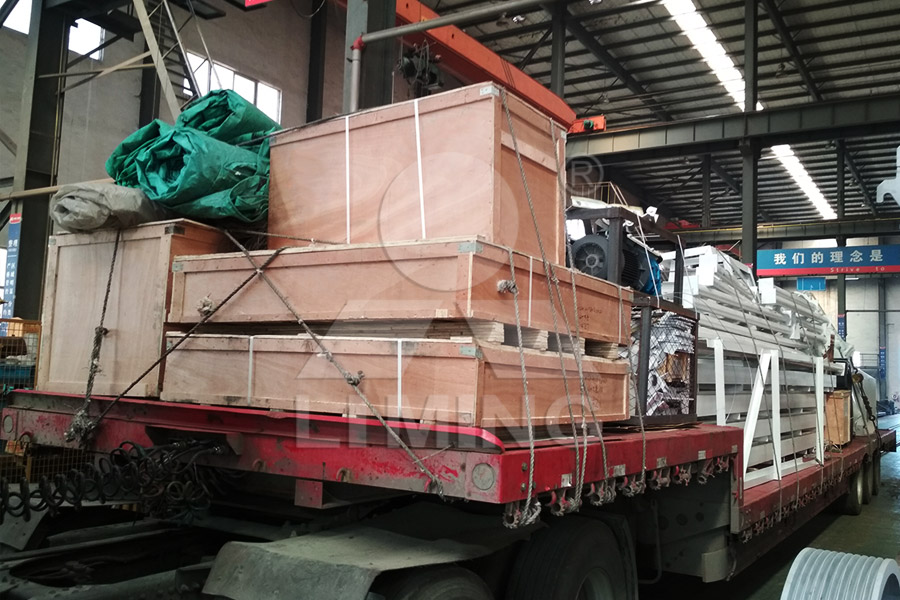
Solution: The existing single-pitch classifier was replaced with a double-pitch (fine material) screw classifier.
Implementation & Outcome: The new classifier was installed on their final sand product line. The modified lower section provided a calmer settling area.
- Fine Sand Recovery: The recovery rate of minus 100 mesh material increased from approximately 55% to over 85%, turning waste into saleable product.
- Improved Dewatering: The extended drainage path reduced the moisture content of the final sand product from about 18% to below 12%, meeting customer specifications without requiring additional drying steps.
- ROI: The capital investment was recovered in less than 12 months through increased product yield and reduced pond dredging costs.
This case demonstrates how selecting the correct classifier type directly impacts profitability and product quality.
FAQ Section
1. What is the main difference between a screw classifier and a hydrocyclone?
Both classify particles by size using centrifugal force or gravity settling. A hydrocyclone uses pumped pressure to create a vortex for rapid separation but provides minimal dewatering; its underflow is still a slurry. A screw classifier uses gravity settling and mechanical conveyance, providing both classification and significant dewatering/discharge of a semi-dry product. They are often used in series: a hydrocyclone makes a sharp size cut, and its underflow feeds a screw classifier for dewatering.
2. How do I know if I need a single-pitch or double-pitch design?
The choice hinges on your feed material's gradation and your target product.
- Choose a Single-Pitch design if your goal is efficient washing and dewatering of predominantly coarse sands (e.g., concrete sand with most particles retained on 50 mesh).
- Choose a Double-Pitch/Fine Material design if your feed contains a significant portion of fine sands (e.g., 100 mesh or finer) that you need to recover and dewater effectively without them being washed over the weir.
3.What factors affect the moisture content of discharged sand?
Key factors include:.jpg)
- Sand Gradation: Finer sands retain more water.
- Trough Inclination Angle: A steeper angle reduces retention time but may increase capacity; adjustment is often possible.
- Screw Rotational Speed: A slower speed allows more time for drainage.
- Flight Design & Condition: Worn flights reduce lifting efficiency and can compromise dewatering.
4.Can a screw classifier handle very coarse gravel?
No, standard screw classifiers are not designed for gravel-sized material (+3/8" or +10mm). Their primary domain is sand (up to ~1/4"). For coarse aggregate washing, log washers or coarse material screws with heavier-duty construction are used.
5.What are common maintenance points for a screw classifier?
Regular maintenance focuses on wear parts:
- Flights/Shoes: The bottom sections contacting abrasive settled sand wear fastest and require periodic replacement or rebuilding.
- Lower Bearing Seal: Critical to prevent water ingress; requires vigilant monitoring.
- Gear Reducer: Regular oil checks/change per manufacturer specs.
- General inspection for leaks, unusual vibration, or drive chain tension (if applicable).