
gold plant machinery manufacturing
Gold Plant Machinery Manufacturing: An Overview
The manufacturing of machinery for gold processing plants is a highly specialized engineering field focused on designing, building, and supplying the equipment required to efficiently extract gold from ore. This encompasses a complete range of processes, from initial crushing and grinding to the final recovery of pure gold through methods like gravity separation, flotation, and cyanidation (or its modern alternatives). Manufacturers in this sector must combine robust mechanical engineering with a deep understanding of metallurgy and mineral processing to create durable, efficient, and increasingly environmentally sensitive solutions. The industry is driven by the need for higher recovery rates, lower operational costs (especially energy and water consumption), and adherence to stringent environmental regulations.
Key Equipment Categories and Technological Considerations
A modern gold plant integrates several stages of processing, each requiring specific types of machinery. The choice of technology depends heavily on the ore characteristics (free-milling vs. refractory) and project economics.
| Processing Stage | Primary Function | Common Machinery Types | Key Considerations for Manufacturers |
|---|---|---|---|
| Comminution | Size reduction of ore for liberation of gold particles. | Jaw Crushers, Gyratory Crushers, SAG/Ball Mills, High-Pressure Grinding Rolls (HPGR). | Energy efficiency is paramount. HPGRs are increasingly favored for dry grinding and lower energy use compared to traditional mills. |
| Gravity Concentration | Recovering coarse free gold early in the process. | Centrifugal Concentrators (e.g., Knelson, Falcon), Jigs, Shaking Tables. | Ability to capture fine gold particles; low operating costs; often used as a pre-concentration step. |
| Leaching & Adsorption | Dissolving gold using a lixiviant (typically cyanide) and capturing it from solution. | Agitation Tanks, Carbon-in-Leach (CIL)/Carbon-in-Pulp (CIP) Tanks, Oxygen Injection Systems. | Materials must be corrosion-resistant; design focuses on optimal mixing and retention time; safety systems for cyanide handling are critical. |
| Refining | Producing high-purity gold doré or bullion. | Electrowinning Cells, Induction Furnaces, Acid Digestion Systems. | Must achieve high purity (>99.99%); fume extraction and handling of toxic gases (e.g., from smelting) are vital safety concerns. |
A major trend is the development of integrated, modular plant designs. These pre-assembled modules reduce on-site construction time and cost, improve quality control, and offer scalability—a crucial factor for remote or smaller-scale mining operations.
Real-World Case Study: Addressing Refractory Ore with Pressure Oxidation
One of the most complex challenges in gold extraction is processing refractory ores, where gold is locked within sulfide minerals like pyrite and is not amenable to direct cyanidation. Simply building standard machinery is insufficient; a complete process solution is required.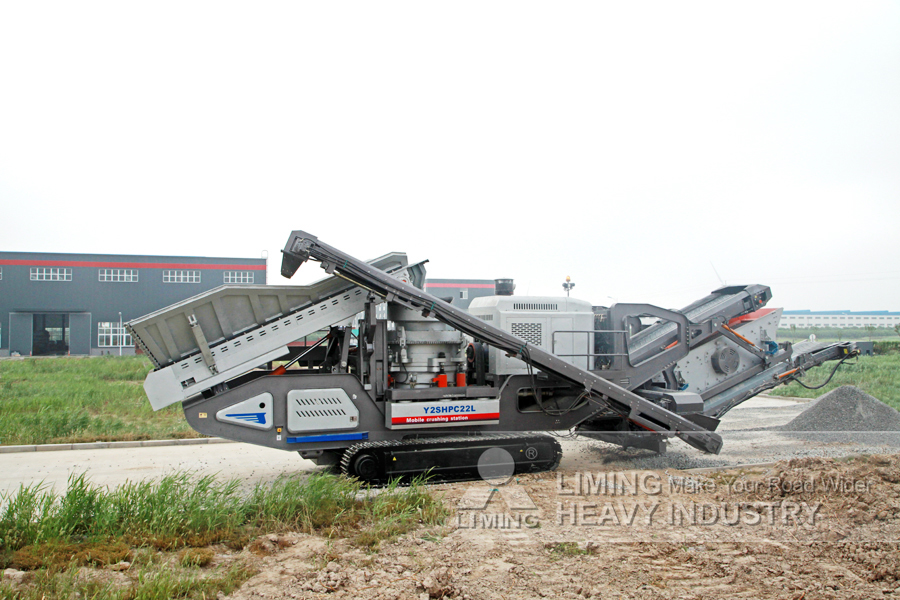
- Project: A major gold mine in the Asia-Pacific region faced declining recovery rates from its refractory ore reserves.
- Challenge: Conventional milling and cyanidation yielded less than 50% recovery.
- Manufacturer's Solution: A consortium led by FLSmidth was contracted to design and supply a complete pressure oxidation (POX) circuit.
- Machinery & Process: The supplied system included specialized autoclaves (high-temperature, high-pressure reactors), sophisticated heat exchangers to manage the exothermic reaction, acid-neutralization tanks, and associated safety controls. The POX process oxidizes the sulfide matrix at elevated temperature and pressure (~220°C), "liberating" the encapsulated gold so it can be leached in a subsequent CIL circuit.
- Outcome: The installation increased gold recovery from the refractory ore to over 94%. This validated the manufacturer's ability to deliver not just individual machines but a complete technological package for an extreme processing condition.
FAQ
1. What are the main factors driving innovation in gold plant machinery?
Innovation is primarily driven by three factors: Economics (demand for lower energy and water consumption per ounce produced), Ore Grade Decline (need to process more complex ores efficiently), and Environmental & Social Governance (ESG) (requirements for safer chemicals like cyanide detoxification/replacement technologies such as thiosulfate leaching)..jpg)
2. How important is automation and digitalization in modern plants?
It is critical. Modern control systems optimize throughput by adjusting parameters in real-time based on sensor data from across the circuit ("Digital Twin" technology). This maximizes recovery while minimizing reagent use—a key cost factor—and enhances operational safety by reducing human exposure to hazardous areas.
3 . What’s the difference between a "turnkey" supplier versus an equipment manufacturer?
An equipment manufacturer supplies specific machines like crushers or pumps based on client specifications or industry standards like those set by METS Ignited Australia or recognized engineering firms' designs . A turnkey or Engineering-Procurement-Construction-Management supplier takes full responsibility for designing , procuring all components , constructing , commissioning ,and sometimes even operating the entire plant , providing a single point of accountability .
4 . Are there alternatives to cyanide leaching being commercially used?
Yes , while cyanide remains dominant due to its efficiency , alternatives are in commercial operation . For example , Barrick Gold’s thiosulfate leaching process at its Goldstrike mine treats carbonaceous refractory ore where using cyanide would lead to prohibitively high consumption . Manufacturers now develop equipment compatible with these alternative lixiviants .
In conclusion ,gold plant machinery manufacturing has evolved into a sophisticated discipline delivering not just heavy equipment but integrated process solutions . Success hinges on marrying mechanical durability with advanced metallurgical knowledge while innovating toward greater sustainability—ensuring that every ounce recovered meets both economic objectivesand responsible mining standards