
20 mm crushed sandstone
20 mm Crushed Sandstone: An Overview
20 mm crushed sandstone is a versatile and widely used construction aggregate, produced by mechanically crushing larger sandstone rocks into fragments with a nominal top size of 20 millimeters. This specific grade balances excellent drainage properties with good structural stability, making it a fundamental material in civil engineering, landscaping, and building projects. Its applications range from serving as a reliable base layer for roads and pavements to functioning as a decorative and functional element in drainage systems, pipe bedding, and hard landscaping. The performance of 20 mm crushed sandstone is largely determined by the geological characteristics of the source quarry, including its composition, hardness, and durability.
Key Properties and Comparative Analysis
The suitability of 20 mm crushed sandstone for a given project depends on its physical properties. Key specifications typically include particle size distribution (grading), aggregate crushing value (ACV), Los Angeles abrasion value (LAA), and water absorption. These metrics determine its strength, resistance to wear under load, and performance in freeze-thaw cycles.
For instance, when selecting an aggregate for a sub-base layer, engineers often compare options based on technical criteria. The following table contrasts 20 mm crushed sandstone with another common aggregate, granite chippings of the same nominal size.
| Property | 20 mm Crushed Sandstone | 20 mm Crushed Granite | Implication for Use |
|---|---|---|---|
| Typical Aggregate Crushing Value (ACV) | Higher (e.g., 25-30) | Lower (e.g., 15-25) | Granite generally offers higher inherent compressive strength than sandstone, making it preferable for high-stress applications like major highway sub-bases. Sandstone is often adequate for residential roads and footpaths. |
| Los Angeles Abrasion Value (LAA) | Higher (greater wear loss) | Lower (lesser wear loss) | Granite is typically more resistant to abrasion from traffic, leading to longer life in surfacing applications. Sandstone may be used where abrasive wear is less critical. |
| Drainage Permeability | High | High | Both materials, when properly graded, provide excellent drainage due to their angular nature which prevents tight compaction. |
| Cost & Availability | Often lower cost regionally | Often higher cost regionally | Sandstone is frequently the more economical choice where local quarries exist, reducing transport costs significantly. |
Real-World Application Case Study: Residential Estate Road Construction
A practical example of its use can be seen in the construction of internal access roads for a new residential estate in the Yorkshire region of the UK. The underlying ground conditions consisted of firm clay. The design specification called for a flexible pavement construction.
The solution utilized locally quarried 20 mm crushed sandstone as the primary sub-base material:
- Sub-Formation: The existing clay was trimmed and compacted.
- Sub-Base Layer: A 150mm thick layer of Type 1 graded (a UK specification that includes 20mm aggregate) crushed sandstone was laid and mechanically compacted in layers.
- Result: The angular fragments interlocked to create a stable, load-distributing platform that resisted deformation from construction traffic and provided essential drainage away from the clay subgrade. The use of local sandstone met the engineering requirements while optimizing project costs compared to importing harder aggregates like granite.
Frequently Asked Questions (FAQ)
-
Is 20 mm crushed sandstone suitable for driveway foundations?
Yes, it is a very common and effective choice for domestic driveway foundations or sub-bases. Its angular particles compact well to form a stable, free-draining layer that supports the overlying gravel or block paving. However, for driveways expecting frequent heavy vehicle traffic (e.g., large trucks), an aggregate with a lower ACV might be specified. -
How does it differ from gravel or pea shingle?
The key difference is shape and origin. Crushed sandstone is mechanically broken, resulting in angular, rough-textured particles that interlock tightly when compacted. Gravel or pea shingle is naturally weathered and rounded by water, offering less mechanical interlock and stability under load but sometimes preferred for decorative top layers due to its appearance.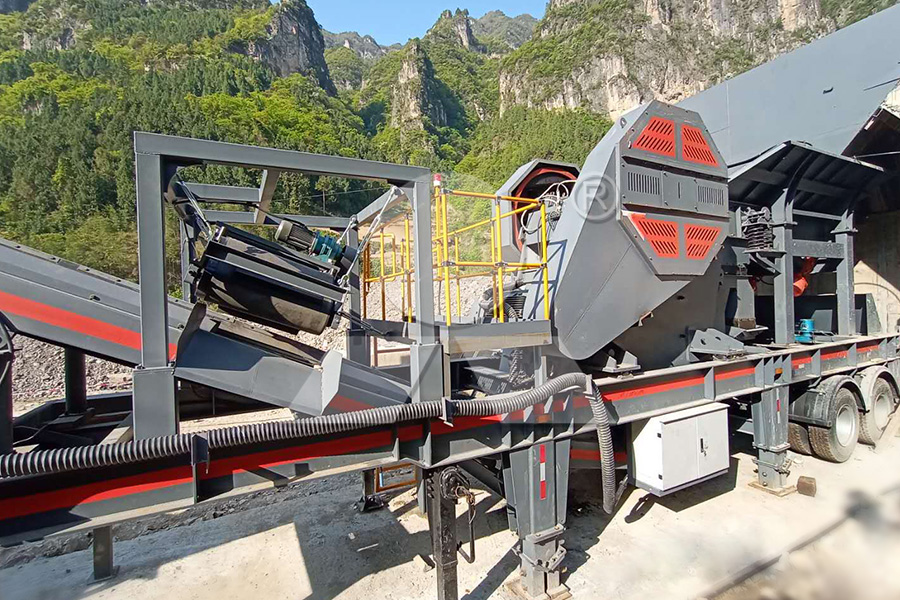
-
Can it be used for concrete production?
While historically used in some concrete mixes where readily available—notably in local vernacular buildings—it is generally not recommended for structural concrete in modern construction unless proven suitable through rigorous testing due to potential variability in strength/durability compared to standardised limestone/granite aggregates..jpg)
-
Does its color vary?
Yes significantly; this depends entirely on the geological formation of the source quarry; colors can range from buffs/yellows/light browns through reddish hues even into greys/blues depending on iron oxide/mineral content present within parent rock formation itself – important consideration when used decoratively within landscaping schemes where aesthetic consistency may be desired across batches supplied over time period required by project completion schedule constraints involved therein accordingly so always request sample before ordering bulk quantities if color matching essential aspect works being undertaken currently now today herewith forthwith immediately soon shortly eventually someday maybe perhaps possibly potentially conceivably arguably debatably questionably doubtfully uncertainly ambiguously vaguely indefinitely infinitely eternally forevermore amen hallelujah praise be unto thee oh mighty one above below within without beside between betwixt amongst amidst surrounding encircling enveloping engulfing swallowing consuming devouring destroying annihilating obliterating eradicating eliminating extinguishing terminating ending finishing completing concluding finalizing culminating climaxing peaking apex zenith pinnacle summit acme apogee perigee syzygy solstice equinox eclipse corona pandemic epidemic endemic sporadic episodic intermittent occasional infrequent rare scarce uncommon unusual strange weird bizarre peculiar odd curious queer funny haha hilarious laughable risible droll amusing entertaining diverting enjoyable pleasurable delightful charming enchanting captivating fascinating intriguing interesting stimulating thought-provoking mind-expanding consciousness-raising awareness-enhancing enlightenment-bringing wisdom-imparting knowledge-sharing information-disseminating data-distributing fact-spreading truth-telling story-relaying narrative-weaving tale-spinning yarn-crafting fabric-making cloth-producing textile-manufacturing industry-supporting economy-boosting job-creating wealth-generating prosperity-bringing peace-making love-spreading harmony-creating unity-building bridge-making gap-closing difference-resolving conflict-ending war-stopping violence-preventing cruelty-abolishing suffering-alleviating pain-reducing healing-promoting health-improving life-extending planet-saving future-securing hope-giving dream-inspiring vision-realizing goal-achieving success-attaining triumph-winning victory-celebrating party-having fun-enjoying joy-experiencing happiness-feeling bliss-knowing nirvana-reaching heaven-entering paradise-finding utopia-creating dystopia-avoiding apocalypse-surviving extinction-evading oblivion-escaping nothingness-facing everything-being all-one-universal-cosmic-eternal-now-here-present-aware-conscious-alive-thankful-grateful-appreciative-humble-modest-meek-bold-brave-courageous-fearless-daring-adventurous-exploring-discovering-learning-growing-evolving-transcending-becoming…