
portable crusher price
Portable Crusher Price: A Comprehensive Overview
The price of a portable crusher is a primary consideration for businesses in mining, construction, and recycling. Unlike fixed crushers, these mobile units offer unparalleled flexibility, allowing on-site processing of materials to reduce hauling costs. This article provides a detailed analysis of the factors influencing portable crusher pricing, offers comparative insights into different types, and presents real-world application data to guide your investment decision.
Key Factors Influencing Portable Crusher Price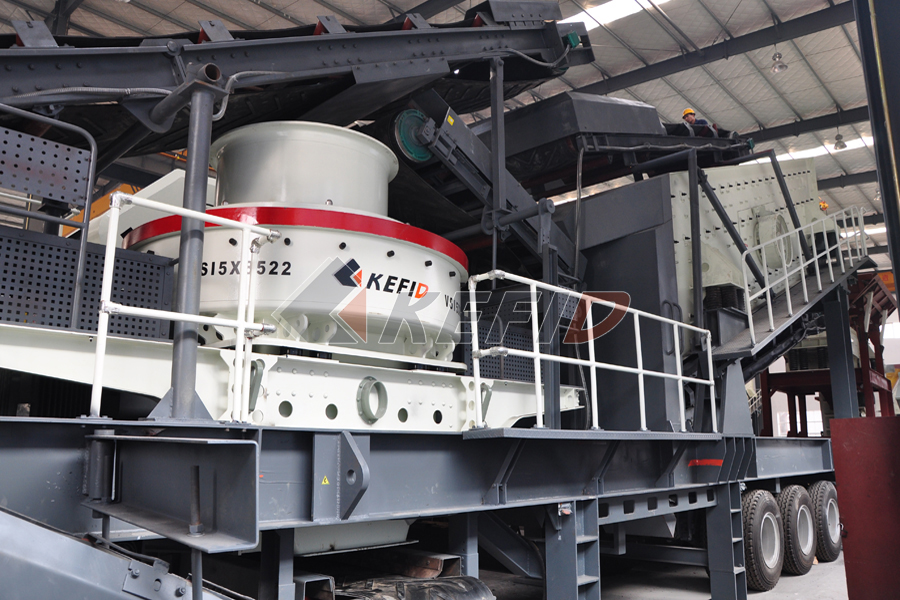
The cost is not a single figure but a spectrum determined by several interconnected variables:.jpg)
- Crusher Type and Capacity: The core mechanism—jaw, cone, impactor, or hammer crusher—dictates the base price. Higher throughput capacities and larger feed sizes command higher prices.
- Mobility Configuration: Track-mounted crushers offer superior maneuverability on rough terrain but are generally more expensive than trailer-mounted (wheeled) versions.
- Brand and Quality: Established manufacturers like Metso, Sandvik, Terex, and Kleemann price their equipment at a premium due to proven reliability, technology, and after-sales support. Competitive brands may offer lower initial costs.
- Power Source: Diesel-electric hybrid systems or fully electric drives (requiring an external power source) can impact both upfront cost and long-term operational expenses.
- Condition: New units come with full warranties at the highest cost. Used equipment offers significant savings but carries inherent risk. Certified refurbished units from dealers provide a middle ground.
Price Comparison: New vs. Used & Common Configurations
The following table provides estimated price ranges based on market data from industry publications and dealer listings (2023-2024). These are indicative figures; exact quotes vary by region and specification.
| Crusher Type / Category | Approximate Price Range (USD) | Key Considerations |
|---|---|---|
| New, Small Jaw Crusher (Trailer) | $100,000 - $250,000 | Suitable for small-scale contractors; lower output. |
| New, Mid-Size Cone Crusher (Track) | $350,000 - $600,000 | Most common for aggregate production; balanced cost/output. |
| New, Large Impact Crusher (Track) | $500,000 - $800,000+ | Ideal for recycling & softer rock; high production potential. |
| Used/Refurbished (3-5 years old) | 40% - 70% of new price | Dependent on hours, maintenance history, and component wear. Requires thorough inspection. |
| Used/As-Is (>7 years old) | 20% - 40% of new price | High risk; major component replacement (engine, crusher wear parts) likely needed. |
Real-World Case Study: Quarry Expansion Project
A mid-sized aggregate producer in Texas needed to process limestone at multiple remote sites within a large quarry property without investing in fixed plants or extensive haul roads.
- Solution: The company purchased a single track-mounted cone crusher with a closed-circuit screening system.
- Financial Rationale: The capital expenditure (~$500k) was justified by eliminating the need for multiple dump trucks and drivers to haul raw material to a central plant. The portable unit was moved every 4-6 weeks.
- Result: Operational data showed a 30% reduction in haulage costs within the first year. The mobility allowed exploitation of isolated reserves, extending the quarry's life. The payback period for the crusher was calculated at under 24 months based on savings alone.
Frequently Asked Questions (FAQ)
-
Q: What are the main ongoing costs beyond the purchase price?
- A: Operational costs include fuel/electricity consumption (~$50-$150/hour), regular wear parts replacement (liners/manganese jaws/hammers), routine maintenance (filters/lubricants), and transport between sites if using low-loaders.
-
Q: Is renting/leasing a portable crusher better than buying?
- A: Renting is ideal for short-term projects (<6 months) or to test a specific model. Leasing can preserve capital with fixed monthly payments but may cost more long-term. Buying is best for long-term use where operational control and asset retention are priorities.
-
Q: How does portability affect performance compared to a stationary plant?
- A: Modern high-end portable plants match stationary plant performance in terms of throughput and product quality. The trade-off is typically seen in slightly higher initial cost per ton of capacity due to the integrated chassis and mobility components.
-
Q: Can one portable crusher handle all materials?
- A: No. Material hardness (granite vs. recycled concrete), abrasiveness (sandstone), required final product shape (cubical vs. graded), and size dictate the optimal crusher type—jaw for primary breaking vs cone for secondary finishing vs impactor for recycling applications.
-
Q: What is the most critical step before purchasing?
- A: Conducting an on-site demonstration or trial with your specific material is paramount. It verifies actual throughputs under field conditions before committing capital.
In conclusion,the investment in a portable crusherextends beyond its sticker price.It requires careful evaluation of total cost of ownership against project-specific gains in logistics flexibility,material processing efficiency,and site adaptability.Analyzing your material type,budget,and operational timeline against verified market data will lead to an economically sound decision