
iron ore crushing & screening plant
Iron Ore Crushing & Screening Plant: An Overview
An iron ore crushing and screening plant is a critical processing facility within the mining value chain, designed to reduce the size of extracted raw ore and separate it into various grade fractions for further beneficiation or direct shipping. The primary objective is to transform large, irregular run-of-mine (ROM) ore into a consistent, sized product that meets stringent specifications for downstream processes like pelletizing or blast furnace smelting. This process typically involves multiple stages of size reduction using crushers and precise particle separation via vibrating screens. The efficiency and configuration of these plants directly impact production yield, product quality, and overall operational economics. This article outlines the core processes, equipment considerations, and real-world applications of modern iron ore crushing and screening systems.
Core Process Flow & Equipment.jpg)
The process is sequential and often arranged in multiple stages to achieve optimal efficiency and product control.
- Primary Crushing: This first stage handles the largest ROM feed (which can be over 1 meter in size). The duty is primarily performed by heavy-duty Gyratory Crushers or Jaw Crushers. Gyratory crushers are favored for high-capacity operations (often above 1,000 tons per hour) due to their continuous crushing action and ability to handle slabby material.
- Primary Screening: Coarsely crushed ore is then fed onto large vibrating screens (Scalping Screens) to remove fine material that already meets size requirements (bypassing further crushing) and to direct oversized material to the next crushing stage.
- Secondary & Tertiary Crushing: For further reduction, Cone Crushers are almost universally employed. Secondary cone crushers provide a smaller product for additional screening. Tertiary or quaternary cone crusher stages may be used in closed circuit with screens to produce precisely controlled final products.
- Final Screening: Multi-deck vibrating screens classify the crushed ore into specific product size fractions (e.g., Lump Ore: +6mm to -30mm; Fines Ore: -6mm). Modern plants often employ screening decks with polyurethane panels for longevity.
A key design choice is between an Open Circuit and a Closed Circuit layout.
| Feature | Open Circuit Layout | Closed Circuit Layout |
|---|---|---|
| Process Flow | Material passes through each crushing stage only once without being re-circulated. | Oversized material from screens is recirculated back to the crusher for re-processing. |
| Product Control | Less precise; wider particle size distribution (PSD). | Tighter control over final product size; more consistent PSD. |
| Efficiency | Generally lower yield of on-spec product; potential for over-crushing fines generation. | Higher yield of target product fraction; optimized energy use per ton of spec product. |
| Complexity & Cost | Simpler layout, lower initial capital cost (CAPEX). | More complex with conveyors/recycling loops, higher CAPEX but better operational expenditure (OPEX). |
Modern high-capacity iron ore plants predominantly use multi-stage closed-circuit designs to maximize recovery of valuable lump ore and meet strict grade specifications.
Real-World Application: Karara Iron Ore Project, Australia
The Karara Magnetite project in Western Australia provides a relevant case study for a large-scale integrated crushing, screening, and beneficiation plant processing magnetite iron ore.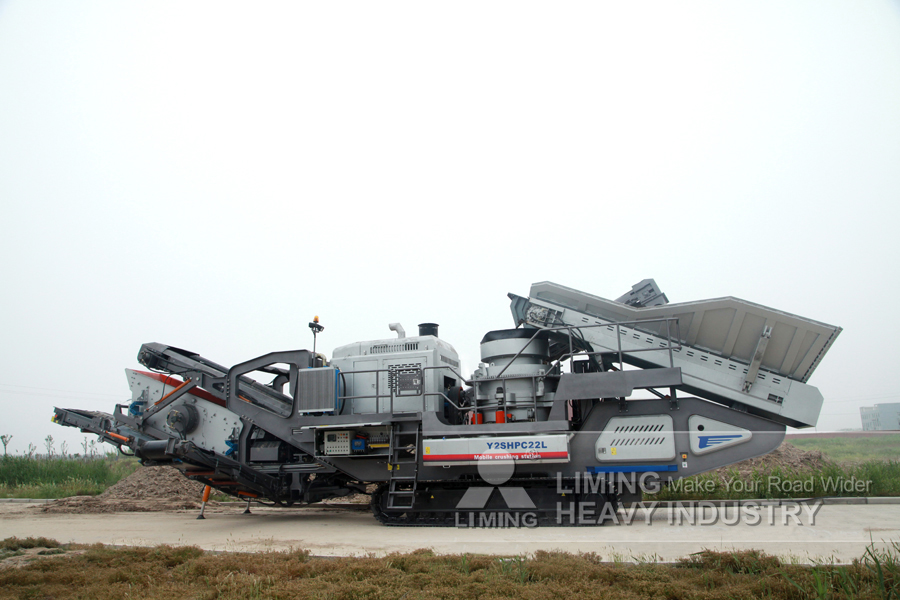
- Challenge: Process hard, abrasive magnetite banded iron formation (BIF) to produce a high-grade concentrate.
- Solution: The primary crushing facility uses a single gyratory crusher to reduce ROM ore from ~1,000mm to below 200mm. This is followed by two parallel lines of secondary crushing using cone crushers in closed circuit with screens.
- Screening Integration: Critical screening stages separate the crushed material ahead of downstream grinding mills. Fine screening ensures only correctly sized feed enters the milling circuit, optimizing grinding efficiency—a major energy consumer.
- Outcome: The plant produces over 8 million tonnes per annum of high-grade magnetite concentrate, demonstrating how robust crushing and precise screening form the foundational prep-plant for advanced beneficiation.
Frequently Asked Questions (FAQs)
Q1: Why is producing lump ore specifically important?
Lump ore commands a premium price in the market as it can be charged directly into blast furnaces without agglomeration (like sintering or pelletizing), saving energy for steelmakers. Efficient crushing circuits aim to maximize lump ore yield by minimizing unnecessary breakage of competent lumps into fines.
Q2: What are the main wear challenges in these plants?
Abrasive wear is the primary issue due to the silica content in iron ore (especially in hematite and BIF). Key wear parts include manganese steel jaw plates, cone crusher mantles/concaves made from improved alloys like TIVAR®-lined chutes/hoppers, and polyurethane screen panels designed for abrasion resistance while maintaining accurate apertures.
Q3: How does moisture affect screening efficiency?
High moisture content in fine particles causes blinding—where damp fines adhere to screen meshes blocking apertures drastically reducing throughput classification accuracy Dry screening becomes ineffective typically requiring special measures like heated screen decks high-frequency screens or adjusting feed rates
In summary an efficiently designed iron ore crushing & screening plant is not merely about breaking rock but about delivering a cost-effective process that maximizes yield of valuable fractions while minimizing waste generation Energy consumption equipment longevity maintenance costs are all balanced through careful circuit design selection robust equipment as evidenced by its critical role major mining operations worldwide