
coal cleaning process
Coal Cleaning Process: Methods, Benefits, and Case Studies
Overview
The coal cleaning process, also known as coal beneficiation or coal washing, is a critical step in improving the quality of coal before combustion or further processing. By removing impurities such as sulfur, ash, and rock, the process enhances the efficiency of coal utilization while reducing environmental impacts. This article explores various coal cleaning methods, their benefits, real-world applications, and frequently asked questions.
Coal Cleaning Methods
Several techniques are employed in coal cleaning, each suited for different types of coal and impurity levels. Below is a comparison of the most common methods:
| Method | Description | Efficiency | Suitable for Coal Type |
|---|---|---|---|
| Dense Medium Separation (DMS) | Uses a liquid suspension (e.g., magnetite) to separate coal from impurities based on density. | High (90-95% ash removal) | Bituminous & sub-bituminous |
| Jigging | Relies on pulsating water flow to stratify coal and impurities by density. | Moderate (70-85% ash removal) | Coarse coal particles |
| Froth Flotation | Employs chemicals to separate fine coal particles from mineral matter via air bubbles. | High for fine coal (80-90%) | Fine & ultra-fine coal |
| Spiral Concentrators | Uses gravity and centrifugal force to separate materials in a spiral trough. | Moderate (60-80% ash removal) | Fine to medium-sized coal |
Benefits of Coal Cleaning
- Reduced Emissions: Lower sulfur and ash content lead to fewer pollutants like SO₂ and particulate matter.
- Higher Energy Efficiency: Cleaner coal burns more efficiently, reducing fuel consumption.
- Cost Savings: Reduced transportation costs due to lower waste material volume.
- Regulatory Compliance: Helps meet environmental standards such as the U.S. Clean Air Act.
Real-World Case Study: The Homer City Power Plant (USA)
The Homer City Generating Station in Pennsylvania implemented dense medium separation (DMS) to clean its bituminous coal feedstock before combustion. Results showed: .jpg)
- A 15% reduction in sulfur emissions, aiding compliance with EPA regulations.
- Improved boiler efficiency by 8%, leading to lower operational costs.
- Extended equipment lifespan due to reduced slagging and fouling in boilers.
Frequently Asked Questions (FAQs)
1. Why is coal cleaning necessary?
Coal cleaning removes harmful impurities like sulfur and ash, improving combustion efficiency and reducing environmental pollution from power plants and industrial use.
2. What is the most effective method for fine coal cleaning?
Froth flotation is highly effective for fine coal (<0.5 mm), achieving up to 90% impurity removal by leveraging chemical reagents and air bubbles.
3. Does cleaned coal still produce emissions?
While cleaned coal emits fewer pollutants than raw coal, it still releases CO₂ when burned—carbon capture technologies are needed for further mitigation.
4. How does dense medium separation work?
DMS suspends crushed coal in a liquid with controlled density (e.g., magnetite-water mix). Cleaner coal floats while denser impurities sink for separation. 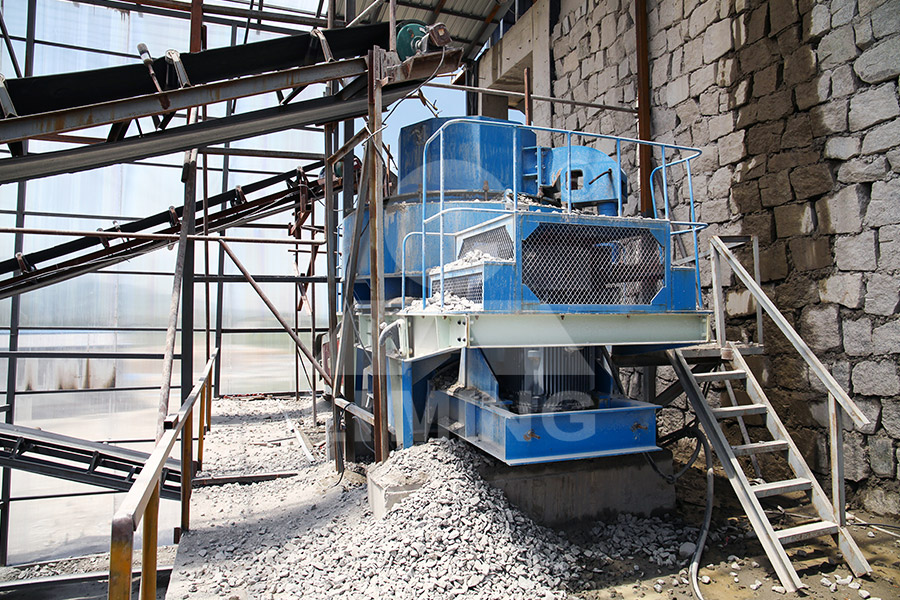
5. Are there economic drawbacks to coal washing?
Initial setup costs for washing plants can be high (~$50–100 million), but long-term savings in transport, efficiency, and compliance often justify the investment.
Conclusion
The coal cleaning process plays a vital role in making fossil fuel usage more sustainable by enhancing energy output while minimizing environmental harm. Advanced techniques like DMS and froth flotation continue to evolve, supported by real-world successes like the Homer City plant—demonstrating that cleaner coal remains a transitional solution in global energy systems until renewable alternatives scale further.