
used gold mining equipmentsouth africa
Used Gold Mining Equipment in South Africa: A Practical Market Overview
South Africa’s gold mining industry, though past its peak, still operates significant underground and surface operations. For small-scale miners, contractors, and even mid-tier producers, buying used gold mining equipment is a cost-effective entry point or expansion strategy. This article outlines what is currently available on the South African market, how to evaluate it, price expectations versus new machinery, and the legal and safety considerations that buyers must address. We also include a comparison table, real-world case examples, and answers to frequently asked questions.
What You Will Find in the Used Equipment Market
The used mining equipment market in South Africa is mature, driven by mine closures, retirements, and operational downsizing. Common categories include:
- Crushing and milling: Jaw crushers, cone crushers, ball mills, rod mills.
- Classification and separation: Hydrocyclones, shaking tables, spirals, flotation cells, and centrifugal concentrators (e.g., Knelson or Falcon).
- Material handling: Conveyor belts, vibrating screens, feeders, and hoppers.
- Pumping and dewatering: Slurry pumps, centrifugal pumps, and filter presses.
- Underground equipment: Locomotives, winches, rock drills, and ventilation fans (often sold as complete packages).
Most used equipment comes from the Witwatersrand basin (Gauteng, Free State, North West) and the Barberton greenstone belt (Mpumalanga). Dealers and auction houses like Aucor, Ritchies, and SA Mining Supplies regularly list items. Online platforms such as Gumtree, OLX, and Mining Surplus also carry listings, but due diligence is critical.
Used vs. New: A Practical Comparison
The decision to buy used is rarely about preference—it is about capital. Below is a comparison based on typical South African market conditions (2023–2024 data from industry sources and dealer listings):
| Criteria | Used Equipment | New Equipment |
|---|---|---|
| Purchase price (e.g., 50 tph jaw crusher) | R450,000 – R750,000 | R1.8M – R2.5M |
| Lead time | 1–4 weeks (available on site) | 6–12 months (import or assembly) |
| Warranty | Usually none or 30-day parts only | 12–24 months full warranty |
| Maintenance cost (first year) | 15–25% of purchase price | 5–10% of purchase price |
| Availability of spares | Varies; older models may have limited OEM parts | Full OEM support |
| Technology efficiency | 10–20% lower than modern equivalents | Latest energy and recovery specs |
| Resale value after 3 years | 40–50% of original purchase price | 30–40% of original purchase price |
Key takeaway: If your operation is seasonal, small-scale, or you are testing a new site, used equipment lowers your break-even point. If you are running a continuous 24/7 operation with strict production targets, new equipment may save you more in downtime costs.
Real-World Case: A Small-Scale Operation in the Free State
Background: A family-owned mining operation near Odendaalsrus acquired a closed mine’s processing plant in 2022. They needed a complete gravity recovery circuit for a quartz reef with visible gold.
What they bought (all used):
- 1 x 10×16 inch jaw crusher (2005 model, refurbished) – R120,000
- 1 x 1.2m x 2.4m ball mill with liners (2008 model) – R350,000
- 1 x 3-deck vibrating screen (2006 model) – R85,000
- 2 x Gemini shaking tables (rebuilt) – R95,000 each
- 1 x 4-inch slurry pump (reconditioned) – R18,000
Total capital outlay: R763,000 (excluding transport and installation).
Outcome after 6 months:.jpg)
- Throughput: 15–20 tph (vs. designed 25 tph due to worn liners).
- Gold recovery: 68% (vs. 75% expected with new tables).
- Downtime: 11 days in the first 6 months (mostly pump seal failures).
- Payback period: Estimated 14 months based on a gold price of R1,200/g and a head grade of 3.5 g/t.
Lesson: The operation succeeded because they budgeted for a refurbishment contingency of 20% of purchase price. They also hired a retired millwright from a nearby mine to inspect the equipment before purchase—this cost R5,000 but saved them from buying a cracked ball mill shell.
Critical Checks Before You Buy Used Equipment
- Inspect in person or hire an independent inspector. Do not rely on photos. Check for cracks in castings, worn shafts, and corrosion in electrical panels.
- Request maintenance logs. If the seller cannot provide them, assume the equipment was not serviced regularly.
- Verify OEM part availability. For example, a 1990s Symons cone crusher still has parts available, but a 1970s local brand may not.
- Check for outstanding debt or liens. In South Africa, mining equipment can be financed. Ask for a letter of release from the bank or finance house.
- Compliance with MHSA (Mine Health and Safety Act). Used equipment must meet current safety standards—e.g., guarding, emergency stops, and electrical compliance (SANS 10142). A machine that is not compliant will cost you more to retrofit than the savings you gained.
Where to Find Reliable Sellers
- Auction houses: Aucor (auctioneers.co.za), Ritchies (ritchies.co.za) – they list mining assets from liquidations.
- Specialist dealers: SA Mining Supplies (Johannesburg), Pilot Crushtec (used division), and Osborn (used equipment).
- Direct from mines: Many mid-tier miners sell surplus directly via tender. Monitor the Government Tender Bulletin and industry newsletters.
- Online marketplaces: Mining Surplus (miningsurplus.com) has a South Africa section, but verify the seller’s physical address.
FAQ
1. Is it legal to buy used mining equipment from a closed mine in South Africa?
Yes, but you must obtain a letter of good standing from the mine’s liquidator or owner. The equipment must be free of any environmental rehabilitation obligations (e.g., contaminated soil attached to the machine). You also need a permit for transport if the equipment is oversized.
2. How do I know if a used ball mill is worth refurbishing?
Check the shell thickness with an ultrasonic tester (cost: ~R2,000). If the shell is less than 80% of original thickness, replacement is not economical. Also check the trunnion bearings for scoring—replacement can cost more than the mill’s value.
3. Can I finance used mining equipment in South Africa?
Yes, but at higher interest rates than new equipment. Banks like Absa and Standard Bank offer asset finance for used equipment, but they require a professional valuation and a deposit of 20–30%. Some dealers offer in-house payment plans for items under R500,000.
4. What is the typical lifespan of used mining equipment in South African conditions?
With proper maintenance, a used crusher or mill can last another 10–15 years. However, electrical components (motors, starters) often fail sooner—expect to replace them within 2–3 years. Underground equipment (e.g., locomotives) has a shorter lifespan due to harsh conditions—plan for 5–7 years.
5. Are there any government incentives for buying used equipment?
Not directly. However, if you are a small-scale miner registered with the DMR (Department of Mineral Resources), you may qualify for the Small Scale Mining Assistance Programme, which provides technical support and sometimes grants for equipment upgrades—but not for the purchase of used machinery itself.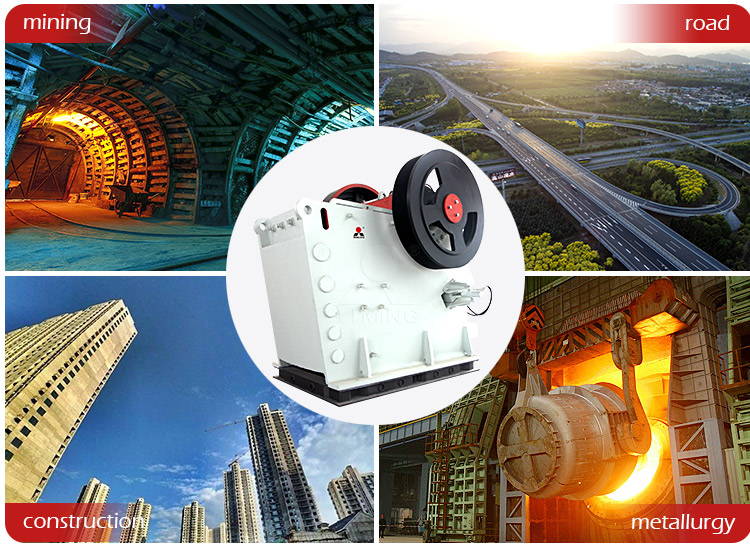
Final Word
The used gold mining equipment market in South Africa is a viable route for operators who understand the risks. The key is not to chase the lowest price, but to buy from a verifiable source, inspect thoroughly, and budget for immediate repairs. In the current economic climate, a well-chosen used machine can be the difference between a profitable small mine and a failed venture. Always involve a qualified engineer in the purchase decision—the cost of that advice is far less than the cost of a wrong buy.