
portable crusher price
Portable Crusher Price: What Actually Drives the Cost in 2024
Portable crusher prices typically range from around $30,000 for a small entry-level unit to over $1.5 million for a high-capacity, fully-equipped mobile crushing plant. The final number depends less on the "crusher" itself and more on the chassis, engine, screening attachment, conveyor configuration, and whether you buy from a domestic dealer or import directly from manufacturers in China, Turkey, or Europe. This article breaks down the real cost factors, compares typical price bands by type, and answers the questions buyers ask most often before signing a purchase order.
What Determines the Price of a Portable Crusher
A portable (mobile) crusher is essentially a crushing unit mounted on wheels or tracks, so it can be moved between job sites or fed directly at a quarry face. The price is built up from several components, and buyers are often surprised that the crusher chamber itself may account for only 30–40% of the total machine cost..jpg)
Key cost drivers:
- Type of crusher – Jaw, cone, impact, and hammer crushers have very different price points.
- Mobility platform – Wheel-mounted units are generally cheaper than track-mounted (crawler) units.
- Drive system – Diesel engine direct drive, diesel-electric, or fully electric. Diesel-electric and electric units usually cost more upfront but reduce fuel and maintenance costs.
- Capacity (TPH) – Output capacity is the single strongest predictor of price. Doubling capacity can more than double the price.
- Screening and conveying – A closed-circuit plant with a built-in screen and return conveyor costs significantly more than a bare crushing unit.
- Brand and origin – Chinese manufacturers generally quote 30–50% below European or North American brands for comparable capacity, though after-sales support and parts availability differ.
- Customization – Custom feed sizes, special wear materials, or added magnetic separators increase cost.
Typical Price Ranges by Crusher Type
The table below reflects general market ranges for new equipment. Actual quotes vary by manufacturer, configuration, and region.
| Type | Typical Capacity | Common Use | Approx. Price Range (USD) |
|---|---|---|---|
| Wheel-mounted jaw crusher | 50–200 TPH | Primary crushing, construction waste | $40,000 – $180,000 |
| Track-mounted jaw crusher | 200–400 TPH | Quarry primary crushing | $250,000 – $600,000 |
| Wheel-mounted impact crusher | 50–150 TPH | Recycling, soft-medium rock | $50,000 – $200,000 |
| Track-mounted cone crusher | 150–300 TPH | Secondary/tertiary hard rock | $350,000 – $800,000 |
| Track-mounted impact crusher | 200–400 TPH | Aggregate, recycling | $300,000 – $700,000 |
| Combined jaw + screen plant | 100–250 TPH | Sand and gravel, contract crushing | $150,000 – $450,000 |
Note: These figures are indicative. Freight, import duties, and local dealer margins can add 15–30% to the factory price.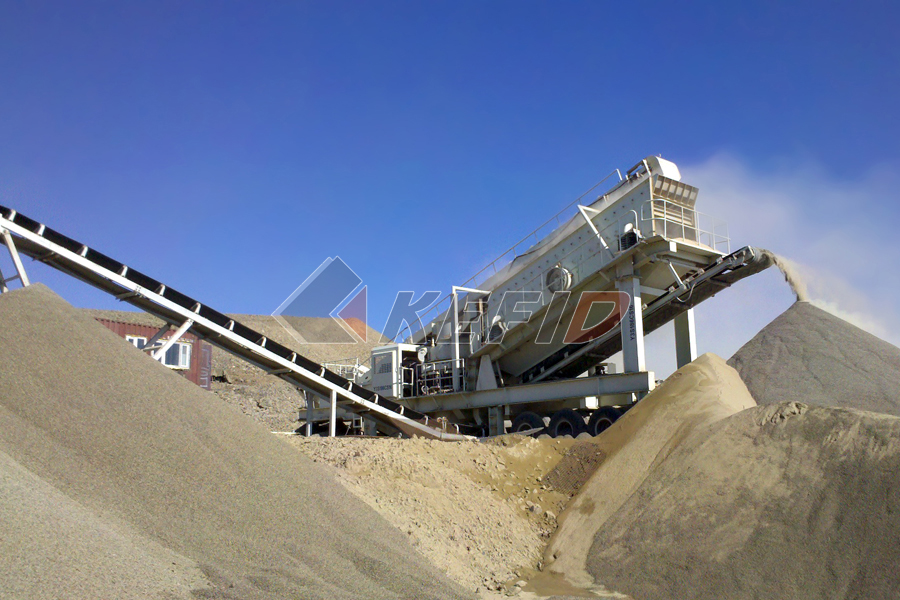
Real-World Case: 150 TPH Wheel-Mounted Jaw Plant in Southeast Asia
A road construction contractor in Southeast Asia needed to process limestone at multiple sites along a 60 km highway project. Rather than buying a fixed plant and trucking material, they purchased a wheel-mounted jaw crusher plant with a 600×900 mm jaw chamber, a vibrating feeder, and a 3-layer screen.
Configuration and cost breakdown (approximate):
- Jaw crusher unit (PE 600×900): $28,000
- Wheeled chassis with feeder and screen: $35,000
- Discharge conveyors (2 units): $12,000
- Diesel engine (110 kW): $9,000
- Freight and customs: $11,000
- Total delivered cost: ~$95,000
The plant processed 120–150 TPH of limestone, and the contractor moved it three times over 18 months. Compared to hauling material to a fixed plant, they estimated savings of roughly $0.80 per ton in transport alone, paying back the equipment cost within the first year.
This example shows why buyers should compare delivered, configured prices rather than headline crusher prices. A bare jaw crusher quoted at $28,000 becomes a $95,000 project once it is actually mobilizable and productive.
New vs. Used Portable Crushers
| Factor | New | Used |
|---|---|---|
| Price | Full market rate | 40–70% of new |
| Warranty | Typically 12 months | Usually none or 30–90 days |
| Parts availability | Guaranteed | Depends on age and brand |
| Condition risk | Low | High — hidden wear, engine hours |
| Lead time | 4–12 weeks (import) | Immediate |
| Financing | Dealer and manufacturer programs | Rare |
Used units can be a good entry point for contractors with mechanical staff, but a used track-mounted cone crusher with 8,000 engine hours may need $50,000+ in refurbishment within two years. Buyers should always request maintenance records and, where possible, inspect the machine under load.
FAQ
1. Why is there such a wide range in portable crusher prices?
Because "portable crusher" covers everything from a 20 TPH mini jaw unit on a two-wheel trailer to a 400 TPH track-mounted cone plant with a screening circuit. Capacity, drive type, chassis, and attachments create a 50x spread between the cheapest and most expensive units.
2. Is a Chinese portable crusher cheaper than a European one?
Generally yes — Chinese manufacturers often quote 30–50% less for comparable capacity. However, European and North American brands typically offer stronger local dealer networks, faster parts delivery, and higher resale value. The right choice depends on how critical uptime and support are to your operation.
3. Can I get a portable crusher for under $50,000?
Yes, but usually only small wheel-mounted units with jaw or hammer crushers in the 20–50 TPH range, often without a screen or with a basic single-deck screen. These are suitable for small recycling jobs or remote sites, not for continuous quarry production.
4. What ongoing costs should I budget beyond the purchase price?
Plan for wear parts (jaw plates, blow bars, liners), fuel or electricity, operator wages, and periodic hydraulic and engine maintenance. A common rule of thumb is to budget 5–10% of the purchase price per year for maintenance and wear parts, higher for hard rock applications.
5. Should I buy a wheel-mounted or track-mounted portable crusher?
Wheel-mounted units are cheaper and easier to tow on public roads, making them ideal for contractors who move between sites. Track-mounted units cost more but can be repositioned on rough terrain without a prime mover and are better suited to quarry faces and heavy-duty continuous operation.
Bottom Line
Portable crusher price is a function of capacity, mobility, drive system, and configuration — not just the crusher chamber. A realistic budget for a productive, road-legal, screened plant starts around $80,000–$100,000, and serious quarry or contract-crushing operations should expect to invest $250,000 and up. Always compare delivered, configured quotes, ask for references from similar applications, and factor in wear parts and support before choosing on price alone.