
leaves and plants crusher usa
Leaves and Plants Crusher USA: Equipment, Applications, and Buying Guide
In the United States, a leaves and plants crusher—often called a leaf shredder, chipper shredder, or garden crusher—is a motorized machine designed to reduce yard waste such as fallen leaves, grass clippings, small branches, and plant trimmings into mulch, compost feedstock, or compact disposable material. These machines are widely used by homeowners, landscaping companies, municipalities, and farms to cut waste volume by roughly 10:1 to 20:1, depending on material and machine type. This article explains how these crushers work, compares the main categories available in the U.S. market, provides a real-world application case, and answers common buying questions.
How Leaves and Plants Crushers Work
Most units combine a shredding mechanism (flails, blades, or hammers) with a discharge system. Gas-powered chipper shredders typically handle branches up to 3 inches in diameter and leaves at high volume, while electric shredders are quieter and better suited to residential leaf and plant waste. The crushed output is commonly used as garden mulch, added to compost piles, or spread as a soil amendment.
Comparison of Common Crusher Types in the U.S. Market
| Type | Power Source | Typical Capacity | Best For | Limitations |
|---|---|---|---|---|
| Electric leaf shredder | Corded or battery | Leaves, grass, small plants | Suburban yards, quiet operation | Limited branch size, cord range |
| Gas chipper shredder | Gasoline engine | Leaves + branches up to ~3 in | Large yards, rural properties | Noise, emissions, maintenance |
| PTO-driven shredder | Tractor PTO | High-volume plant material | Farms, orchards, municipalities | Requires tractor, higher cost |
| Walk-behind chipper | Gas engine | Branches and bulky plants | Landscaping crews | Heavy, less maneuverable |
Real-World Case: Municipal Leaf and Plant Waste Reduction.jpg)
A mid-sized city in the U.S. Midwest operates a seasonal yard-waste program that collects leaves and plant trimmings from residents. The city uses a commercial-grade gas chipper shredder and a PTO-driven shredder mounted on a utility tractor to process material at a central composting site. According to the city's public works reports, shredding reduces the volume of incoming yard waste by approximately 75–80%, lowering hauling costs and speeding up composting. The shredded material is turned into municipal compost that is later offered back to residents and used in city parks. This type of program is common in U.S. cities aiming to divert organic waste from landfills.
Key Buying Considerations
- Material type: Leaves and soft plants need a shredder with high airflow and sharp flails; woody branches require a chipper with hardened blades.
- Throughput: Homeowners typically need 1–3 cubic yards per hour; commercial users may need 10+ cubic yards per hour.
- Power source: Electric models suit small lots and noise-sensitive areas; gas and PTO models suit large properties and professional use.
- Safety features: Look for tamper tools, safety interlocks, and chipper chutes that prevent hand contact.
- Maintenance: Blades and flails require periodic sharpening or replacement; gas models need oil, filters, and spark plug service.
FAQ
1. Can a leaf crusher handle wet leaves?
Wet leaves can clog many shredders, especially electric models with lower airflow. Gas shredders with high airflow and larger discharge openings generally handle damp leaves better, but extremely wet material should be dried or mixed with dry leaves.
2. What is the difference between a leaf shredder and a chipper shredder?
A leaf shredder is designed mainly for leaves and soft plant material, using flails or blades to pulverize them. A chipper shredder combines a chipper chute for branches with a shredder for leaves and plants, making it more versatile.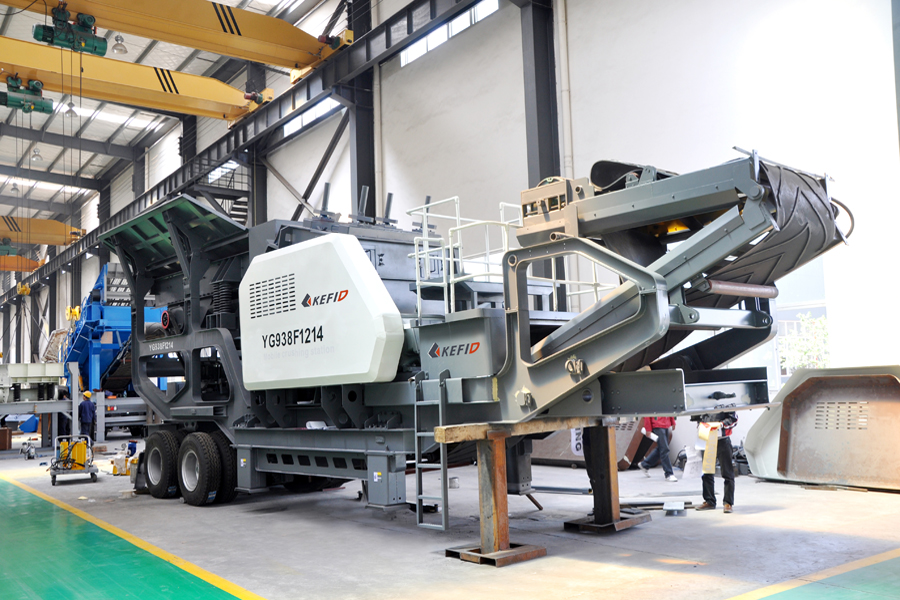
3. How small does a crusher make the output?
Most machines reduce leaves to roughly 1/10 to 1/20 of their original volume. The final particle size depends on the machine, screen size, and material; finer output breaks down faster in compost.
4. Are gas-powered crushers legal in all U.S. states?
Gas-powered equipment is regulated by the EPA and some states, particularly California, impose stricter emissions standards. Check local regulations and look for EPA-compliant or CARB-compliant models before purchase.
5. Do I need a crusher if I already compost?
A crusher speeds up composting significantly by increasing surface area and reducing volume. It is especially useful if you generate large amounts of leaves or plant trimmings and want faster decomposition and less pile space.