
chinaequipmentmachine
China Equipment Machine: A Practical Guide to Sourcing, Quality, and Total Cost
China's equipment manufacturing sector has become the default starting point for buyers worldwide who need industrial machinery — everything from CNC routers and injection molding machines to packaging lines and construction equipment. The appeal is straightforward: a deep supplier base, mature supply chains, and price points that are difficult to match elsewhere. But the phrase "China equipment machine" covers an enormous range of quality tiers, and the difference between a good purchase and an expensive mistake usually comes down to how you vet suppliers, specify requirements, and plan for logistics and after-sales support. This article breaks down what buyers should actually evaluate: supplier types, real cost comparisons, inspection practices, and the trade-offs between Chinese-made equipment and alternatives from Europe, Japan, and Taiwan.
Why Chinese Equipment Dominates Mid-Market Sourcing
China has been the world's largest manufacturer of machine tools by output for well over a decade, and its machinery export volume has grown accordingly. Several structural factors explain the position:
- Supply chain density. Components like servo motors, linear guides, bearings, and control systems are produced domestically at scale, which shortens lead times and lowers costs.
- Tiered manufacturing. Buyers can choose between economy factories, mid-tier exporters with CE certification, and large state-linked manufacturers that supply Fortune 500 clients.
- Export experience. Most established Chinese machinery exporters already handle CE, ISO, and sometimes UL requirements, and they understand Incoterms, container loading, and documentation.
The practical implication: China is rarely the question. The question is which Chinese supplier, at what specification, with what verification.
Comparing Chinese Equipment Against Other Origins
The table below reflects general patterns buyers encounter. Actual results vary heavily by supplier and category.
| Factor | China (mid-tier exporter) | Taiwan | Japan / Germany |
|---|---|---|---|---|
| Purchase price | Low to moderate | Moderate | High |
| Lead time | 30–60 days typical | 45–90 days | 90–180 days |
| Spare parts availability | Good, low cost | Good | Excellent, higher cost |
| Documentation & CE support | Varies; verify per supplier | Reliable | Reliable |
| Precision / repeatability | Improving; verify with test reports | Strong | Benchmark |
| After-sales in buyer's country | Often via agent or remote | Regional agents | Established network |
| Best fit | Cost-sensitive, mid-precision work | Balance of cost and reliability | High-precision, regulated industries |
A common mistake is treating "China" as a single quality level. Two suppliers in the same province can differ by a factor of three in build quality and still quote similar prices.
Where Buyers Get Burned — and How to Avoid It
1. Specifications that are too loose. A quote for a "5-axis CNC machine" tells you almost nothing. You need spindle speed, torque curve, axis travel, positioning accuracy, repeatability, controller brand, and ball screw grade. Vague specs are the single most common source of disputes.
2. Skipping pre-shipment inspection. Third-party inspection (SGS, Bureau Veritas, TÜV, or specialized machinery inspectors) typically costs a few hundred to a few thousand dollars and routinely catches issues like incorrect voltage configuration, missing safety guards, or components swapped from the approved sample.
3. Underestimating total cost of ownership. The machine price is often 60–75% of first-year cost. Add ocean freight, insurance, customs duties, inland transport, rigging, electrical work, operator training, and initial spare parts.
4. Ignoring after-sales reality. Ask specifically: Who responds to a breakdown? What is the response time? Are spare parts stocked locally or shipped from China? Is there remote diagnostic support? Get this in writing.
Real Case: Injection Molding Line for a Polish Manufacturer
A mid-sized Polish plastics manufacturer needed a 250-ton injection molding machine to replace an aging European unit. Budget constraints ruled out a new German machine at roughly €180,000. A Taiwanese option came in around €110,000.
The company ultimately sourced from a Ningbo-based exporter at approximately €62,000 FOB, with the following approach:
- Specification lock-in: The purchase contract listed the exact servo system brand, controller model, screw diameter, and clamping force tolerance.
- Factory acceptance test (FAT): The buyer sent a representative to run a 72-hour continuous test with their own mold and material before shipment.
- Inspection: A third-party inspector verified electrical compliance with EU standards and confirmed CE documentation.
- Spares package: Negotiated into the contract — a €3,500 kit covering the most common wear items.
- Support arrangement: The exporter's European distributor agreed to provide on-site service within 72 hours.
Total landed cost was approximately €78,000. After 18 months of operation, the machine has run at roughly 92% uptime, with the main issue being a hydraulic valve replaced under warranty. The buyer notes that the machine is not equivalent to the German unit in cycle consistency, but for their product tolerances it has been sufficient.
This pattern — mid-tier Chinese equipment, rigorous specification, independent inspection, negotiated spares — is repeatable across many machinery categories.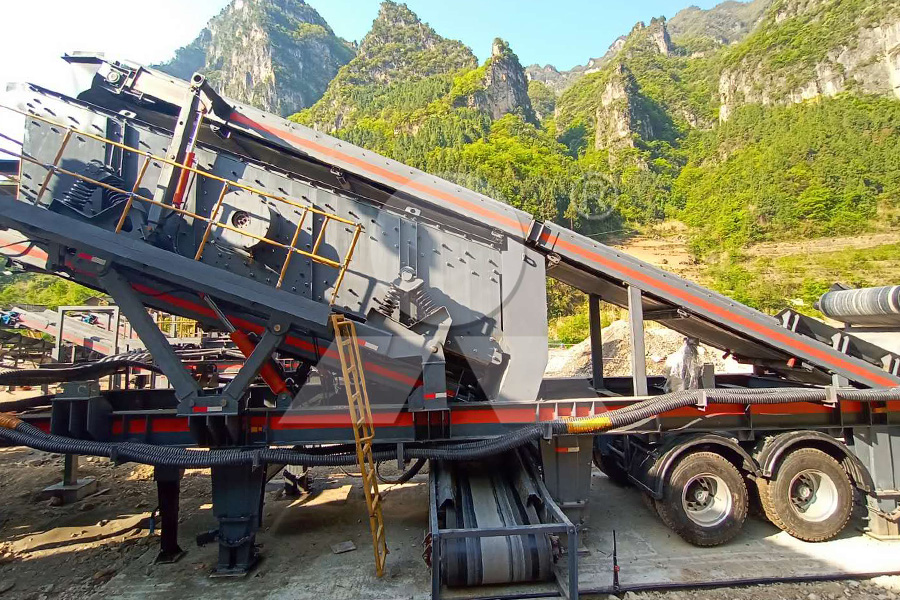
FAQ
Q1: Is Chinese equipment quality reliable enough for export-grade production?
It depends entirely on the supplier tier. Large Chinese manufacturers supply global automotive and electronics companies and meet demanding standards. The risk concentrates in the long tail of small trading companies that resell from multiple factories without consistent quality control. Vet the actual manufacturer, not just the trading entity.
Q2: How much can I realistically save compared to European or Japanese equipment?
For comparable specifications, 30–60% savings on the machine itself is common. After freight, duties, and commissioning, expect landed savings of 20–45%. Extremely low quotes usually indicate reduced specifications, not efficiency.
Q3: Do I need to visit the factory in person?
For orders above roughly $30,000, an in-person visit or a trusted third-party factory audit is strongly recommended. If travel isn't feasible, commission an audit that includes production capability, existing export clients, and quality control processes.
Q4: What payment terms are standard?
Typical terms are 30% deposit with order, 70% before shipment. Some established exporters accept letters of credit. Be cautious of suppliers demanding 100% upfront — it's a red flag for either financial instability or intent to avoid accountability.
Q5: How do I handle spare parts and repairs after delivery?
Negotiate a spare parts package into the original contract, and identify the specific components most likely to fail (belts, valves, sensors, controllers). Confirm whether the supplier has a local agent, and establish a remote support channel before the machine ships. Waiting until a breakdown to sort this out is expensive.