
used agrgregate crushers miami
Used Aggregate Crushers in Miami: What Buyers Need to Know Before Spending
Used aggregate crushers in Miami attract construction firms, quarry operators, and recycling businesses looking to cut capital costs in one of the country's most active construction markets. Miami-Dade County has consistently ranked among the top U.S. metro areas for construction spending, driven by infrastructure work, road rebuilding, and residential development—all of which create steady demand for crushed stone, recycled concrete, and asphalt aggregate. Buying used rather than new can save 30–50% of the purchase price, but the South Florida market has specific characteristics—corrosion from salt air and humidity, a heavy concentration of concrete recycling operations, and a limited local pool of late-model machines—that change how a buyer should evaluate equipment. This article covers the main crusher types available in the Miami used market, what to inspect, how to compare options, and where the real risks lie.
What's Actually Available in the Miami Used Market
Miami's used crusher inventory skews toward equipment suited to concrete and C&D debris recycling rather than hard-rock quarrying, because South Florida has no significant natural rock deposits—aggregate is largely imported, crushed limestone from outside the region, or recycled concrete. That means the most common machines locally are: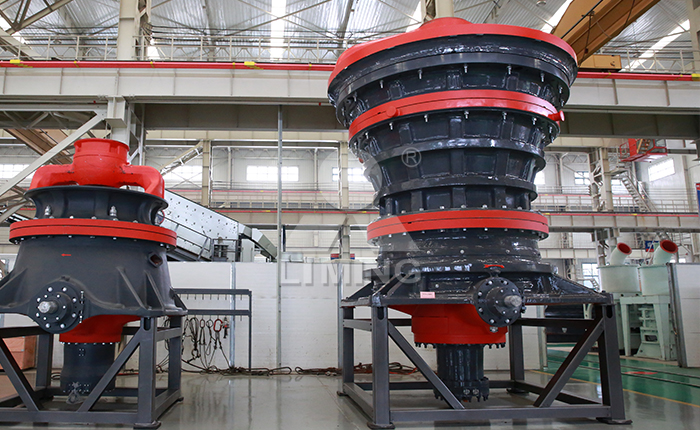
| Crusher Type | Typical Use in Miami Market | What to Check on a Used Unit |
|---|---|---|
| Jaw crusher | Primary crushing of recycled concrete, demolition debris | Jaw plate wear, toggle plate condition, frame cracks near weld seams |
| Cone crusher | Secondary/tertiary crushing where hard imported stone is processed | Mantle and bowl liner wear, hydraulic system seals, bronze bushing play |
| Horizontal shaft impactor (HSI) | Concrete recycling, asphalt reprocessing | Blow bar wear, rotor balance, apron adjustment mechanism |
| Vertical shaft impactor (VSI) | Shaping recycled material, producing manufactured sand | Anvil/rock-on-rock configuration, rotor tip wear, bearing temperature history |
Track-mounted units (often made by manufacturers with dealer support in Florida) move more easily between demolition sites and are more common in the Miami resale market than stationary plants. Stationary plants tend to appear when a quarry or yard closes—less frequent locally, so buyers often source from outside Florida and factor in freight.
The Salt Air and Humidity Factor
This is the issue that separates Miami from, say, a used-equipment purchase in Arizona or the Midwest. Coastal humidity and salt-laden air accelerate corrosion on steel structures, electrical panels, and hydraulic components. When inspecting a used crusher in Miami:
- Look for rust that goes beyond surface oxidation—pitting on frame members, corroded terminal blocks in control panels, and seized adjustment threads are red flags.
- Ask where the machine was stored. Equipment kept under cover or inland holds up far better than units parked in open yards near the coast.
- Check hydraulic hoses for cracking and fittings for galvanic corrosion, especially on machines that sat idle for extended periods.
- Verify electrical components—motor windings, starters, and wiring harnesses on tracked units—because moisture intrusion is a common and expensive failure point.
New vs. Used: A Cost and Risk Comparison
| Factor | New Crusher | Used Crusher (Miami Market) |
|---|---|---|
| Purchase price | Baseline | Typically 30–50% lower for 5–10 year old units |
| Lead time | Weeks to months, depending on model | Usually immediate availability |
| Warranty | Full manufacturer warranty | Rarely any; third-party extended warranties limited |
| Wear parts | New | Expect to replace jaw plates, blow bars, or liners soon after purchase |
| Corrosion risk | None | Significant in coastal Florida; inspection is essential |
| Financing | Standard OEM and bank programs | Available, but lenders often require independent inspection |
| Parts availability | Guaranteed | Depends on brand; check dealer presence in Florida before buying |
The practical takeaway: a used unit's lower sticker price only holds up if you budget for wear-part replacement and verify parts support. Brands with active Florida dealer networks are worth a premium in this market because a machine down for weeks waiting on a part erases the savings.
A Real-World Example
A Miami-area demolition contractor preparing for a roadway reconstruction project needed to process recycled concrete on-site rather than hauling debris to a landfill and buying virgin aggregate. New track-mounted jaw crushers quoted at the time ran well into seven figures with lead times stretching months. The contractor instead sourced a used track-mounted jaw crusher from an inland Florida equipment dealer—a machine that had worked a limestone yard rather than a coastal demolition site, which mattered for corrosion condition. An independent mechanic inspected the unit: jaw plates were near the end of their life and were replaced, the toggle plate was sound, and the control panel showed no moisture damage. Total cost including inspection, replacement wear parts, and freight came in substantially below the new-unit price, and the machine went into service within two weeks. The project's recycled base material met Florida Department of Transportation specifications for the application, and the contractor reported the crusher paid for itself over the project timeline through avoided hauling and aggregate purchase costs. The lesson: condition and history matter more than model year, and inland-sourced machines often beat coastal units on corrosion..jpg)
FAQ
1. Can I use a used crusher for FDOT-specified aggregate in Florida?
Yes, but the material—not the machine's age—determines compliance. FDOT specifications govern gradation, durability, and soundness of the aggregate produced. A well-maintained used crusher with properly set jaws or blow bars can produce spec material; you should plan on testing output and adjusting settings, and expect to replace wear parts before commissioning.
2. Where do most used aggregate crushers in Miami come from?
Two main sources: local demolition and recycling operations upgrading or closing out equipment, and dealers who bring in machines from other parts of Florida and the Southeast. Because South Florida has little natural rock quarrying, many local used units are set up for concrete recycling; buyers needing hard-rock configurations often source from inland Florida or out of state and budget for freight.
3. How much should I budget beyond the purchase price?
Plan for an independent inspection (a few hundred to over a thousand dollars depending on scope), immediate wear-part replacement (jaw plates, blow bars, or liners can run from a few thousand to tens of thousands depending on crusher size), possible hydraulic or electrical repairs on coastal-stored units, and freight if the machine comes from outside Miami. A common rule of thumb is to reserve 10–20% of the purchase price for immediate recommissioning costs.
4. Is financing available for used crushers in Miami?
Yes. Equipment lenders and some bank programs finance used aggregate equipment, but they typically require an independent inspection report and may cap financing based on the machine's appraised value rather than the asking price. Getting pre-approved and arranging inspection before committing to a purchase is the standard sequence.
5. What's the biggest mistake buyers make in this market?
Skipping the mechanical inspection—particularly the electrical and hydraulic systems—because the machine "looks clean." Coastal storage hides moisture damage inside control panels and hydraulic systems that only shows up after weeks of operation. A second common mistake is buying a brand with no Florida parts or service presence; in a market where downtime is expensive, dealer support is part of the machine's value.