
prices for mining equipment in south africa
Prices for Mining Equipment in South Africa: An Overview
The cost of mining equipment in South Africa is a critical factor for both established mining houses and junior explorers, directly impacting operational viability and investment decisions. The pricing landscape is complex, shaped by a confluence of factors including equipment type (surface vs. underground), brand origin, technological sophistication, and the volatile exchange rate of the South African Rand (ZAR) against major currencies like the US Dollar (USD) and Euro. Furthermore, the market offers a spectrum from brand-new, capital-intensive machinery to a robust secondary market for used and refurbished equipment. This article examines the key price determinants, provides indicative cost comparisons, and explores the practical considerations for procurement within the South African context.
Key Factors Influencing Equipment Prices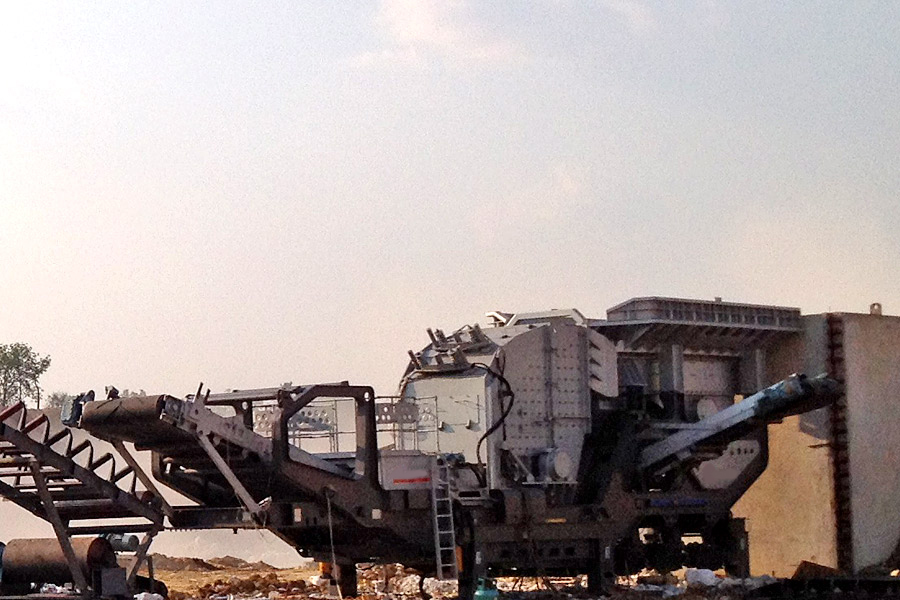
- Equipment Type and Scale: Prices vary enormously between a large hydraulic shovel for open-pit mining and a continuous miner for underground coal. Similarly, ancillary equipment like haul trucks, drills, and crushers each occupy different price brackets.
- Origin and Brand: Premium international brands (e.g., Caterpillar, Sandvik, Komatsu) command higher prices based on perceived reliability, technology, and after-sales support. Chinese manufacturers (e.g., SANY, Liugong) often compete with more cost-effective alternatives, though residual perceptions regarding parts and service can influence total cost of ownership.
- New vs. Used Market: South Africa has a mature used equipment market. A nearly new or well-refurbished machine can offer significant upfront savings over a new unit, though with potential trade-offs in warranty coverage and remaining lifespan.
- Currency Fluctuations: As most heavy mining equipment is imported or manufactured locally with imported components, the ZAR/USD exchange rate is perhaps the single most volatile pricing factor. A weak Rand significantly increases the local currency cost of new imports.
Indicative Price Comparison (Approximate Estimates)
The table below provides very broad estimates to illustrate price ranges. These figures are illustrative based on historical tender data and industry reports; actual quotes will vary significantly by specification, dealer, and negotiation.
| Equipment Category | Example Model | Indicative New Price Range (ZAR) | Indicative Quality Used/Refurbished Price Range (ZAR) | Primary Application |
|---|---|---|---|---|
| Large Excavator | 200-tonne Class Hydraulic Shovel | 25 - 40 million+ | 12 - 22 million | Open-pit mining (stripping, loading) |
| Underground Loader (LHD) | 5-6 tonne Capacity | 4 - 7 million | 1.5 - 3.5 million | Underground ore/waste handling |
| Articulated Dump Truck (ADT) | 40-tonne Payload | 6 - 9 million | 2.5 - 4.5 million | Waste hauling in varied terrain |
| Drill Rig (Surface Blasthole) | Medium-sized Rotary Drill | 15 - 25 million+ | 6 - 12 million | Open-pit drilling for blasting |
| Underground Drill Jumbo | Twin-boom Development Jumbo | 8 - 15 million+ | 3 - 7 million | Tunneling and development drilling |
Procurement Strategy & Real-World Case Study
A common strategy to manage capital outlay is a hybrid fleet approach. Companies may invest in new technology for critical production areas while sourcing reliable used equipment for ancillary or less intensive tasks.
Case Study: Refurbishment Solution at a Gold Mine
Facing high replacement costs for aging underground locomotives at a Witwatersrand Basin gold operation, management opted not for new purchases but for a comprehensive refurbishment program led by a specialist South African engineering firm.
- Process: The locomotives were stripped to their chassis. Critical components like motors, gearboxes, and braking systems were either fully reconditioned or replaced with OEM parts.
- Outcome: The mine acquired locomotives with performance warranties nearing new-machine standards at approximately 40-50% of the cost of a new import. This extended asset life by an estimated 10-15 years while supporting local engineering jobs and drastically reducing lead times compared to ordering new units from overseas.
Frequently Asked Questions (FAQ)
1. Beyond purchase price, what are the biggest cost factors to consider?
Total Cost of Ownership (TCO) is paramount. This includes:
- Availability of Parts & Service: Downtime is extremely costly. Ensure your supplier/dealer has a proven local parts inventory and technical support network.
- Fuel Efficiency & Emissions Compliance: Newer Tier-4 or equivalent engines are more expensive upfront but can offer lower fuel costs and ensure compliance with evolving regulations.
- Operator Training & Technology Integration: Advanced equipment requires skilled operators; budget for training to realize productivity gains.
2. Is it better to buy from an international OEM or a local distributor?
This depends on needs. International OEMs offer global standards and cutting-edge technology but may have longer lead times for specific parts.Local distributors provide faster on-the-ground service responsivenessand deep understanding of regional conditions.They often handle both premier international brandsand competitive alternatives.Negotiating strong local support agreementsis crucial regardlessof brand origin..jpg)
3.How does financing workfor major mining equipmentin South Africa?
Several options exist beyond outright purchase:
- Traditional Asset Finance/Leasing: Provided by banksor specialized financial institutions,treatingtheequipment as collateral.
- Vendor Finance: Many major OEMs have their own finance armsoffering tailored lease-or loan packages,sometimes tiedto maintenance contracts.
- Operating Lease/Rental: Idealfor short-term projectsor totestequipment before committingtoa purchase.Rental companieslike BarloworldEquipmentor BME(a divisionof Omnia Holdings)offerflexible solutions.
4.What impactdoeslocal manufacturinghaveon prices?
Someequipmentis assembledormanufacturedlocally(e.g.,certaindrill rigs,crushercomponents,andtrailers).Thiscanshieldpricesfromsomecurrency volatilityandreduceleadtimeswhile supportingthelocal supplychain.The"ProudlySouthAfrican"labeldoesnotalwaysguaranteealowerprice,butitcanoffermorepredictablepricingandlogisticaladvantagesin terms of customizationandsupport.
5.Are there government incentivesfor purchasingminingequipment?
Directcash incentivesfor purchasesare uncommon.Theprimary fiscal leveris Section12EoftheIncomeTaxAct,the"Allowancefor CapitalExpenditure,"which allowsfor accelerated depreciationon qualifyingassets.Thisimprovescash flowbyreducingtaxableincomeintheearlyyearsof an asset'slife.Itis essentialtoconsultwitha tax professionalto structureacquisitionsto maximizethesebenefits