
molybdenum mines in china
Molybdenum Mining in China: An Overview
China is the world's leading producer, consumer, and exporter of molybdenum, a critical metallic element essential for high-strength steel alloys, chemicals, and advanced industrial applications. The country's molybdenum industry is characterized by vast reserves concentrated in specific geological belts, large-scale mining operations dominated by key state-owned and private enterprises, and continuous technological advancement in both mining and processing. This article outlines the geographical distribution, major players, production processes, and the strategic significance of China's molybdenum sector.
Geographical Distribution of Major Mines
China's molybdenum resources are primarily located in three major metallogenic belts:
- Qinling-Dabie Belt: This is the most significant region, hosting world-class porphyry and porphyry-skarn type deposits. Key mines include the Jinduicheng and Nannihu mines in Shaanxi/Henan provinces.
- Yanshan-Liaoning-Jilin Belt: Known for large skarn-type deposits. The Luanchuan mine in Henan and various mines in Liaoning province are prominent.
- Gangdese Belt in Tibet: A newer but highly promising region with large porphyry copper-molybdenum deposits, such as the Zhubuye deposit (part of the larger Qulong copper field).
Major Producers and Market Structure
The industry is led by a few major companies that control a significant portion of production and reserves.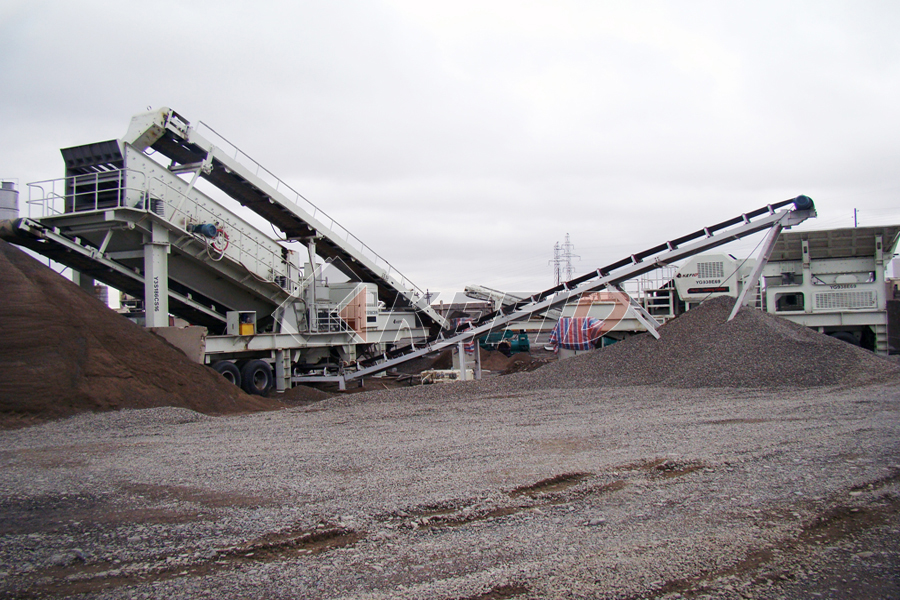
| Company | Key Mines/Operations | Notes |
|---|---|---|
| China Molybdenum Co., Ltd. (CMOC) | Sandaozhuang (Nannihu), Shangfanggou (Luanchuan), etc. | A global leader with operations also in Congo (DRC) for cobalt/cu; listed on HK/Shanghai stock exchanges. |
| Jinduicheng Molybdenum Group (JDC) | Jinduicheng Mine (Shaanxi) | One of China's oldest and largest integrated producers, focusing on high-quality products. |
| Jinzhou New China Dragon Moly | Yangjiazhangzi Mine (Liaoning) | A significant producer in Northeast China with long mining history. |
Mining and Processing Technology
Chinese molybdenum mines typically employ open-pit or underground methods depending on ore body geometry and depth. The processing follows a standard flowsheet: crushing → grinding → flotation to produce molybdenite concentrate (MoS₂). The concentrate is then roasted to produce technical molybdenum oxide (MoO₃), which is further processed into ferromolybdenum (FeMo), ammonium dimolybdate (ADM), or pure molybdenum metal powder.
A key technological focus has been on improving recovery rates from low-grade ores and comprehensive recycling of associated elements like rhenium.
Real-World Case: Comprehensive Utilization at the Sandaozhuang Mine
The Sandaozhuang mine operated by CMOC exemplifies modern, efficient molybdenum mining with an emphasis on resource integration.
- Challenge: The ore body contains not only molybdenum but also economically significant amounts of tungsten and rhenium.
- Solution & Implementation: The mine implemented a tailored flotation process to separate molybdenite from scheelite (tungsten mineral). Furthermore, during the roasting stage of molybdenite concentrate, rhenium is volatilized as rhenium heptoxide (Re₂O₇) and captured in scrubbing towers, then recovered as ammonium perrhenate (APR), a high-value product.
- Outcome: This comprehensive recovery process transforms what would be waste into valuable co-products, significantly enhancing economic returns and minimizing environmental impact per unit of resource extracted.
FAQ Section
1. Why is China dominant in global molybdenum production?
China's dominance stems from three factors: immense geological reserves concentrated in minable deposits; significant domestic demand from its massive steel and manufacturing industries; and consolidated large-scale operations that achieve economies of scale. Government policy has also historically supported the consolidation of strategic mineral resources.
2. What are the primary uses of Chinese molybdenum?
Over 80% is used domestically as an alloying agent in steel to enhance strength, toughness, heat resistance, and corrosion resistance—critical for constructional steel, pipelines, automotive parts, stainless steel tools etc.. The remainder goes into chemicals catalysts lubricants electronics superalloys for aerospace applications.
3 How does environmental regulation affect Chinese moly mining?
Increasingly stringent regulations since mid-2010s have forced industry-wide upgrades Standards now mandate proper management tailings dams wastewater treatment dust control sulfur dioxide emissions from roasters Major companies like CMOC have invested heavily cleaner technologies while smaller polluting facilities have been shut down consolidating production towards larger compliant operators
4 Is there a difference between Chinese Mo concentrates grades compared other regions?
Chinese concentrates typically range between 45-57% Mo content similar global standards However some flagship mines produce high-grade material exceeding 50% consistently Chinese processors are also adept handling complex ores containing tungsten copper bismuth achieving effective separation
5 Who are main export destinations for China’s Mo products?
While majority consumed domestically China exports substantial quantities ferromolybdenum technical oxide to Europe Japan South Korea United States Netherlands being major hub These exports help balance global supply especially when Western hemisphere production faces disruptions