
belt manufacturers china
Belt Manufacturers in China: An Overview of the Industry Landscape
China has solidified its position as a global powerhouse in industrial and consumer belt manufacturing. The sector encompasses a vast array of products, from precision timing belts and heavy-duty conveyor belts for mining to high-fashion leather belts. Chinese manufacturers are recognized for their extensive production capabilities, scalable supply chains, and competitive pricing, catering to both OEM (Original Equipment Manufacturer) demands and bulk retail distribution worldwide. This article explores the key strengths, material and process specializations, and practical considerations when sourcing from this dynamic market..jpg)
Strengths and Specializations of Chinese Belt Producers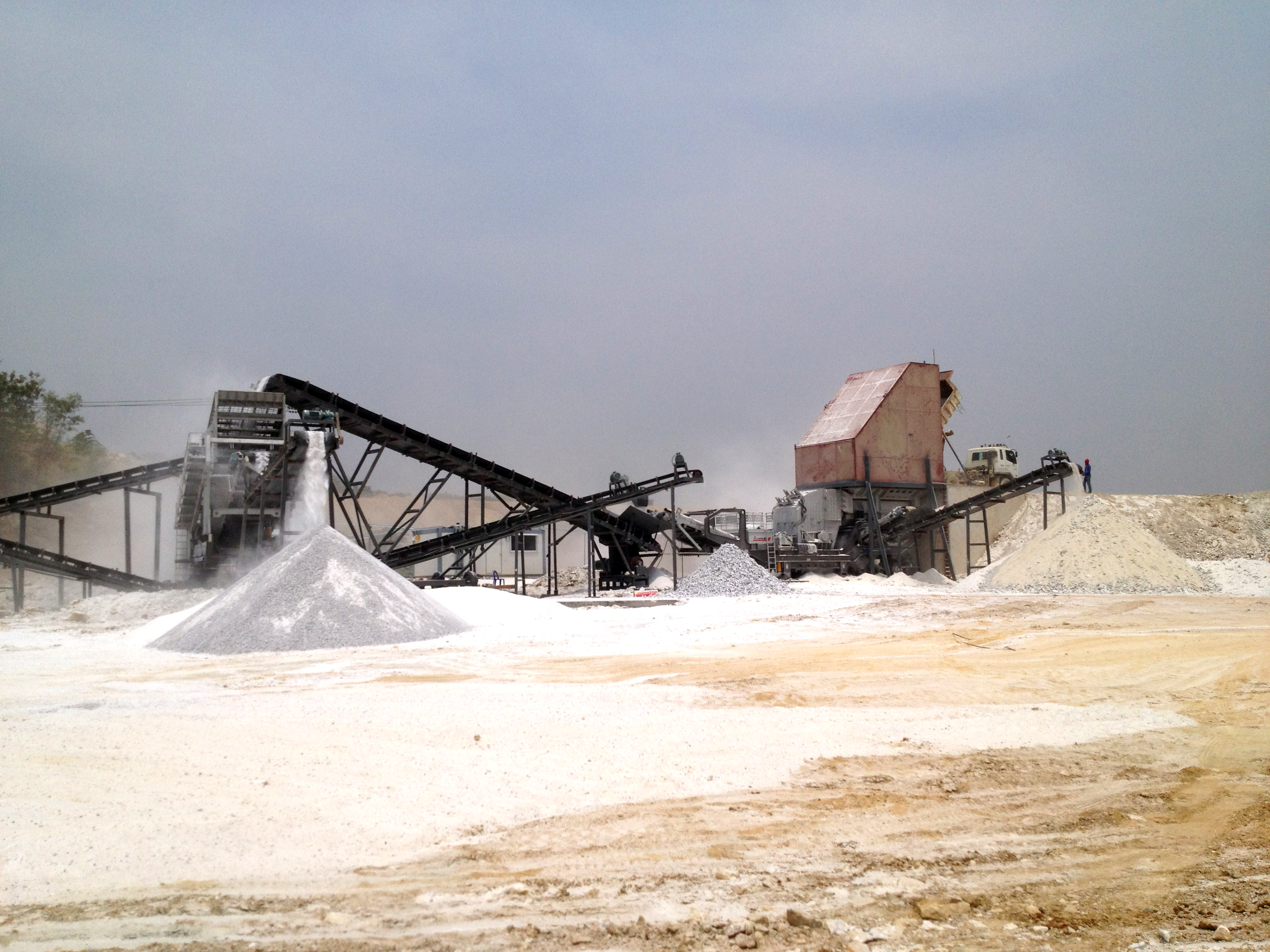
The primary advantage lies in the integrated supply chain. Regions like Hebei (for industrial rubber/conveyor belts), Guangdong, and Zhejiang host concentrated manufacturing clusters, providing easy access to raw materials like polyester cord fabric, natural/synthetic rubber, stainless steel buckles, and treated leather. This ecosystem enables cost-efficiency and rapid production turnaround.
Manufacturers typically fall into two broad categories: high-volume standardized producers and specialized technical solution providers. The latter often invest significantly in R&D for specific industries.
Table: Comparison of Common Belt Types from Chinese Manufacturers
| Belt Type | Primary Materials | Key Industries Served | Common Chinese Manufacturer Focus |
| :--- | :--- | :--- | :--- |
| Conveyor Belts | Fabric plies (Polyester, Nylon), Rubber/PVC covers | Mining, Logistics, Agriculture, Airports | Heavy-duty steel cord belts for mining; Lightweight PVC belts for parcel sorting. |
| Timing/Synchronous Belts | Rubber with fiberglass/aramid cords, Polyurethane | Automotive, Robotics, Precision Machinery | Manufacturing to international standards (ISO, ASTM). Growing capability in high-precision neoprene & polyurethane belts. |
| V-Belts & Wedge Belts | Rubber, Cord Reinforcement | General Machinery, Agricultural Equipment | Dominant in standard classical V-belts (A,B,C sections). Wide availability of raw edge cogged belts for improved efficiency. |
| Leather Belts (Fashion) | Genuine Leather, PU Leather, Accessories | Apparel, Retail Fashion | Full-package service from tanning to buckle casting and final packaging for export. |
A Case Study in Technical Solutions: Heat-Resistant Conveyor Belts for Cement Plants
A common challenge in cement production is transporting hot clinker (often above 150°C), which can rapidly degrade standard conveyor belts. A reputable manufacturer in Shandong province addressed this for a Southeast Asian client by developing a multi-ply solution using EPDM rubber as the cover compound for its superior heat resistance (up to 180°C continuous). The carcass utilized a blend of heat-treated polyester and nylon fabric to resist shrinkage and maintain tensile strength. Crucially, the manufacturer conducted real-world thermal aging tests at their facility before shipment and provided certified test reports matching ISO 4195 standards. This practical validation gave the client confidence in the product's lifespan claims before installation.
FAQ: Sourcing Belts from China
1. How do I verify the quality standards of a Chinese belt manufacturer?
Always request valid test reports from independent or accredited internal labs matching international standards (e.g., ISO 283 for tensile strength of conveyor belts). For critical applications, ask about their Quality Management System certification (ISO 9001 is common). Third-party inspection services like SGS or BV can conduct pre-shipment inspections to verify specifications.
2. What are the main challenges when importing industrial belts from China?
Two key challenges exist: Technical Specification Alignment: Ensuring all parameters (length tolerance,pull strength,friction coefficient) are precisely communicated and understood.Misinterpretation can lead to functional failure.Logistics & Protection: Heavy rolls of conveyor belting require proper wooden crating to prevent edge damage during ocean freight.Clearly incoterms(FOB,CIF) must be agreed upon.
3. Can Chinese manufacturers produce custom-designed belts?
Yes,many mid-to-large scale factories have strong mold-making and prototyping capabilities.This is common for timing belts with unique tooth profiles,polyurethane belting with specific colors or coatings,and leather belting with custom tooling/buckles.Minimum Order Quantities(MOQs) will apply,and prototyping often incurs a one-time fee.
4.What is the typical lead time for container-load orders?
For standard specification items from stock materials,the lead time is usually 25-35 days after deposit receipt.This includes production time(15-25 days) plus documentation,inland transport,and port clearance.For custom-engineered products requiring new molds or imported specialty materials(e.g.,specific high-grade polymers),lead times can extend to 45-60 days.
5.Are there reliable manufacturers specializing in environmentally friendly belt options?
The market is responding to global demand.Several leading manufacturers now offer lines featuring recycled rubber content,PVC-free conveyor belting,and chrome-free tanned leather.Look for manufacturers who can provide documentation such as Reach compliance statements or specific material composition disclosures upon request