
bissa gold mine burkina faso
Bissa Gold Mine: A Cornerstone of Burkina Faso's Mining Industry
The Bissa Gold Mine, located approximately 85 kilometers north of Burkina Faso's capital, Ouagadougou, stands as a significant industrial operation and a major contributor to the nation's economy. Operated by Bissa Gold S.A., a subsidiary of the Russian Nordgold Group, the mine transitioned from open-pit to underground operations and remains a key asset in the West African mining landscape. This article explores its operational profile, economic impact, and the challenges it navigates within Burkina Faso's dynamic environment.
Operations and Economic Impact
Bissa began production in 2013 as a large-scale open-pit mine. As surface resources were depleted, the focus shifted to exploiting the deeper ore bodies through underground mining methods. The mine utilizes conventional carbon-in-leach (CIL) processing to extract gold.
Its contribution to Burkina Faso is substantial. As a major taxpayer and employer, it directly supports local livelihoods and national revenue. The mine has also invested in community development projects, including infrastructure, health, and education initiatives around its operational areas.
Comparative Profile: Bissa vs. National Average
The following table contrasts Bissa's key characteristics with broader national averages for industrial gold mines in Burkina Faso. Data is based on reported figures from company publications (Nordgold), EITI Burkina Faso reports, and industry analyses.
| Feature | Bissa Gold Mine (Representative Figures) | Burkina Faso Industrial Mining Sector Average |
|---|---|---|
| Annual Production | ~200,000 - 250,000 ounces (pre-underground transition; variable) | Varies significantly per site; several mines produce 300k+ oz/year |
| Employment | Direct employment of ~1,000+ personnel (during combined open-pit/underground ops) | Typically 500-2,000 direct employees per major site |
| Primary Method | Transitioned from Open-pit to Underground | Predominantly open-pit; few underground operations (e.g., Poura) |
| Key Operator | Nordgold Group (Russia) | Diverse: Canadian (e.g., Endeavour), Australian, Russian companies |
| Infrastructure Impact | Built dedicated power line from Ouagadougou; significant local infrastructure. | Common investment in grid power extensions & water infrastructure. |
Real-World Case Study: Power Infrastructure Development
A tangible example of Bissa's embedded infrastructure solution is its investment in reliable electricity supply. Prior to the mine's development, the region lacked robust grid connectivity. To power its processing plant and operations, Bissa Gold S.A., in collaboration with the national utility SONABEL, financed and constructed a 90km high-voltage transmission line from Ouagadougou to the mine site. This project not only secured stable, long-term power for mining operations but also provided a lasting benefit by connecting intervening villages to the national grid for the first time, spurring local economic development—a recognized model of mine-led infrastructure improvement documented in project ESIAs (Environmental and Social Impact Assessments).
Frequently Asked Questions (FAQs)
1. Who owns and operates the Bissa Gold Mine?
The Bissa Gold Mine is owned and operated by Bissa Gold S.A., which is majority-owned by the internationally operating Nordgold Group, headquartered in Russia. The Burkinabe state holds a 10% free-carried interest in the project as per the country's mining code..jpg)
2. What mining method does Bissa use?
Bissa initially operated as a large open-pit mine from 2013. As the near-surface oxide ore was depleted, operations transitioned to focus on extracting deeper sulfide ore reserves through underground mining methods. The processing plant uses standard carbon-in-leach (CIL) technology to recover gold.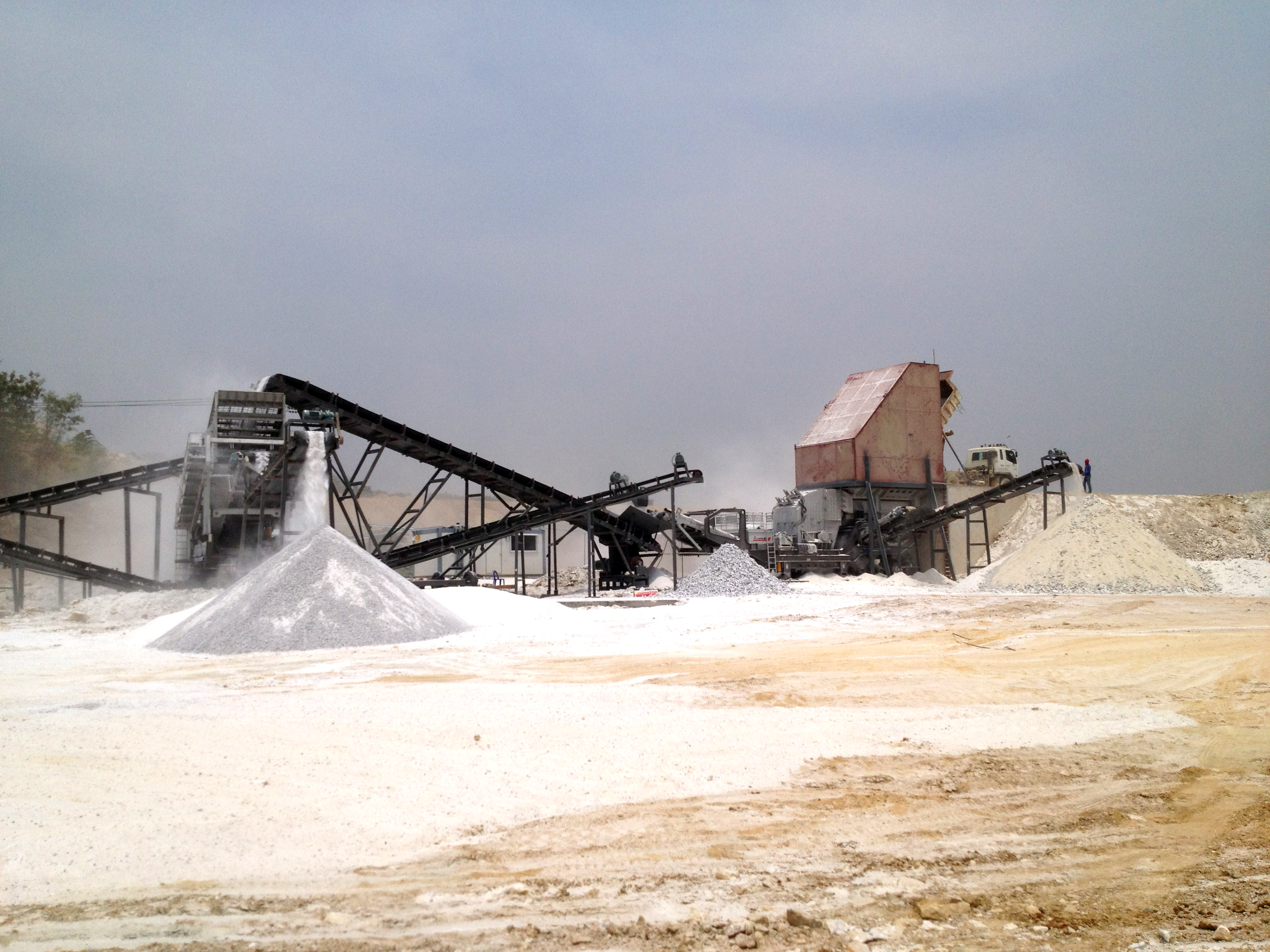
3. How does Bissa contribute to Burkina Faso's economy?
The mine contributes through multiple channels: direct royalties and taxes paid to the government; significant employment for nationals; local procurement of goods and services; and mandated investments in local community development funds supporting health, education, and agriculture projects.
4. Has the mine faced security challenges?
Yes. Like all industrial operations in Burkina Faso, it operates within a complex security environment affected by regional instability. Nordgold has implemented enhanced security protocols at Bissa and its other Burkinabe assets (such as Bouly), including collaboration with state forces—a common necessity for mining companies in the Sahel region.
5. What happens after mining ends?
Bissa Gold S.A. is legally required to execute a Mine Closure and Rehabilitation Plan. This plan includes detailed steps for decommissioning facilities safely, backfilling open pits where possible, rehabilitating land for alternative uses (like agriculture), and ongoing environmental monitoring post-closure. Financial provisions for this are set aside during the mine's operational life.
Sources & Basis: Information synthesized from Nordgold official operational updates and sustainability reports; Burkina Faso EITI (Extractive Industries Transparency Initiative) annual reports detailing production and payments; African Mining Portal project profiles; World Bank case studies on mining infrastructure development.