
coal cleaning process
Coal Cleaning: An Overview of Processes and Purposes
Coal cleaning, also known as coal beneficiation or coal washing, is a critical industrial process designed to remove impurities from raw (run-of-mine) coal before it is utilized. The primary goal is to upgrade the coal's quality by reducing its content of non-combustible materials like ash (mineral matter), sulfur, and trace elements. This process enhances the heating value (BTU content), improves combustion efficiency, reduces transportation costs per unit of energy, and significantly lowers emissions of sulfur oxides (SOx), particulate matter, and other pollutants when the coal is burned. The specific methods employed depend on the type and distribution of impurities, which are separated based on differences in physical properties such as density, size, and surface characteristics.
Key Coal Cleaning Processes
The core principle of most coal cleaning is density separation, as pure coal is less dense than the associated rock and mineral matter. The main processes include:.jpg)
- Dense Medium Separation (DMS): This is the most efficient method for coarse coal. It uses a suspension of finely ground magnetite in water to create a fluid with a precise intermediate density. Coal (lower density) floats, while shale and pyrite (higher density) sink. DMS cyclones are commonly used for finer particles.
- Jigging: One of the oldest methods, jigging separates particles by pulsating a water column. Lighter coal particles rise to the top, and heavier refuse settles at the bottom. It is effective for a wide size range but generally less precise than DMS.
- Froth Flotation: Used for very fine coal particles (<0.5 mm), this process relies on differences in surface hydrophobicity. Coal surfaces are hydrophobic (water-repellent) and attach to air bubbles injected into the slurry, floating to the top as froth. Hydrophilic mineral particles sink.
- Dry Cleaning: Employed in arid regions or for coals that degrade in water, methods like air jigs or pneumatic tables use air as the fluidizing medium for density separation.
The choice of technology involves trade-offs between efficiency, cost, and feed characteristics.
| Process | Best For Particle Size | Separation Principle | Key Advantage | Key Limitation |
|---|---|---|---|---|
| Dense Medium Separation | Coarse to medium (100mm - 0.5mm) | Density (Precise control) | High efficiency & precision; handles variable feed | Higher capital & operating cost; complex water/magnetite recovery |
| Jigging | Coarse to fine (50mm - 0.5mm) | Density & Pulsation | Robust, lower cost; handles broad size range | Lower precision than DMS; less effective for near-density material |
| Froth Flotation | Fine (<0.5mm) | Surface Chemistry | Only effective method for ultra-fines; recovers valuable product from slurry | High reagent cost; sensitive to pulp chemistry & ash content |
| Dry Cleaning (Air Jig) | Coarse to medium (>6mm) | Density with Air Fluidization | No water usage; suitable for arid areas or water-sensitive coals | Lower efficiency than wet methods; dust generation; stricter feed size control |
Real-World Application: The Case of the Mount Arthur Coal Mine
A prominent example of large-scale coal cleaning is BHP's Mount Arthur mine in New South Wales, Australia. The operation employs a sophisticated multi-stage cleaning circuit to prepare thermal coal for export markets.
- Process Flow: Run-of-mine coal is first crushed and screened into size fractions.
- Coarse Coal (>8mm): Processed through large dense medium cyclones.
- Small Coal (1-8mm): Treated in smaller dense medium cyclones.
- Fine Coal (0-1mm): Processed via spirals and froth flotation cells.
- The cleaned product from each stream is dewatered using screens, centrifuges, and filters before being blended into a final product.
- Outcome: This washing process reduces the ash content significantly, producing a consistent, high-energy product that meets stringent international quality specifications for efficient power generation and lower emissions at the point of combustion.
FAQ Section
-
Why clean coal if we are moving away from fossil fuels?
While global energy transitions are underway, coal remains a significant part of the energy mix in many regions during this transition period. Cleaning existing coal supplies is a pragmatic step to immediately reduce the environmental impact per unit of energy produced compared to burning raw coal. It mitigates local air pollution and improves efficiency until replacement by lower-carbon sources is fully realized. -
Can coal cleaning remove all pollutants?
No. Physical cleaning primarily removes inorganic impurities like ash-forming minerals and pyritic sulfur (sulfur bound in minerals). It cannot remove organic sulfur, which is chemically bonded within the coal matrix itself. Trace elements like mercury may also only be partially removed depending on their mode of occurrence. -
What happens to the waste from coal cleaning?
The removed impurities form a slurry called "tailings" or "refuse." This material contains clay, shale, pyrite, and fine carbonaceous matter. It is typically pumped to engineered impoundments called tailings dams or refuse ponds for disposal.Safe management of these facilities to prevent groundwater contamination or structural failure is a major environmental consideration for any washing plant.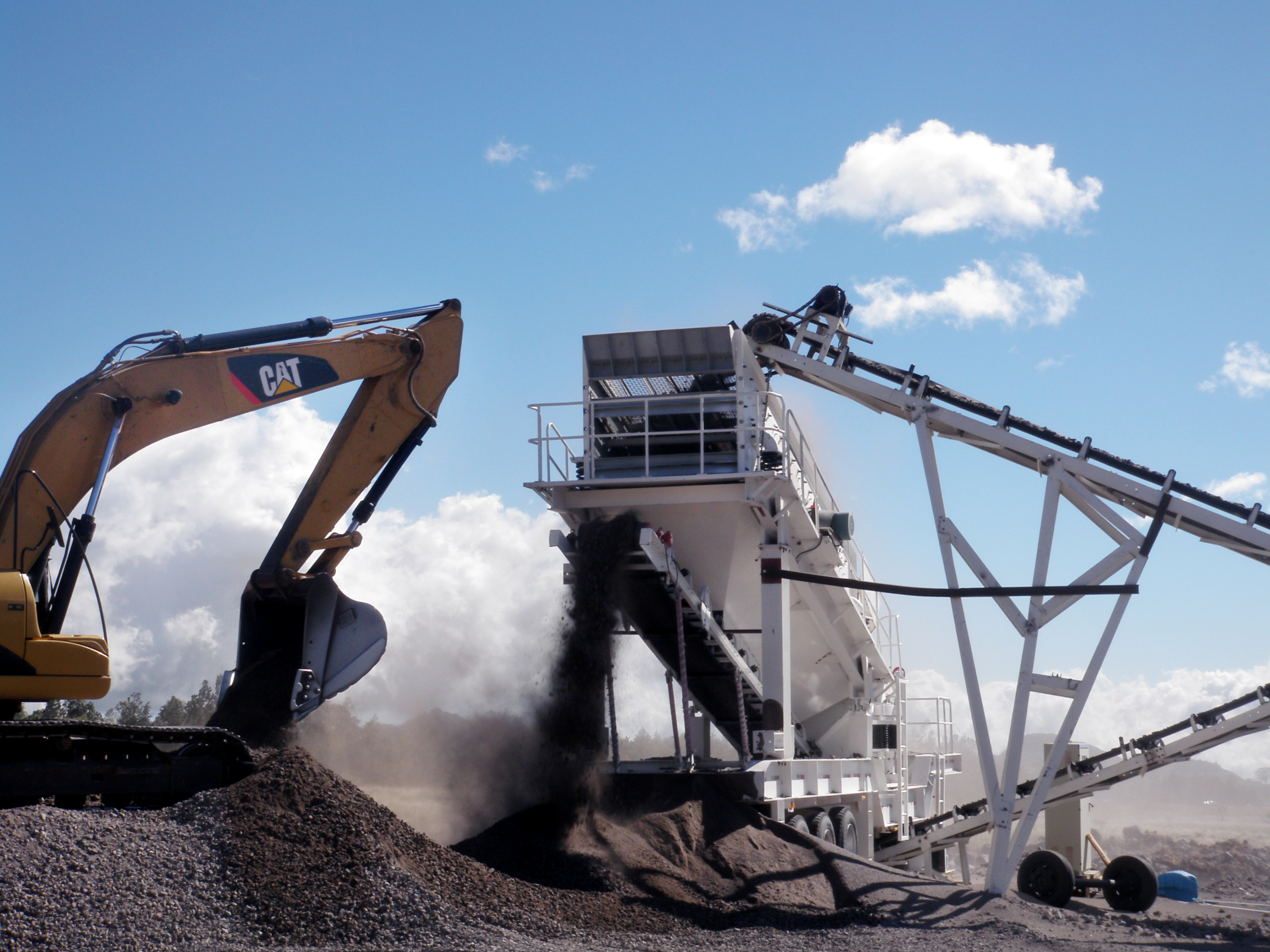
-
Is clean-coal technology different from carbon capture?
Yes completely.Coal cleaning refers specifically to pre-combustion washing.Carbon Capture Utilizationand Storage(CCUS), often termed "clean-coal technology"in broader discussions refers capturing CO₂ emissions after combustion from flue gas preventing their release atmosphere—a separate post-combustion process
5.Does cleanedcoal produce no ash when burned?
Cleanedcoal produces significantly less ash but not zero.Even high-efficiency washing cannot remove100% mineral matter.The remaining inherent ash—minerals finely dispersed within organic matrix—will form bottom ash fly upon combustion but volumes are substantially reduced versus unwashed