
cone crusher operations
Cone Crusher Operations: An Overview
Cone crushers are a vital component in the aggregate, mining, and quarrying industries, responsible for the secondary and tertiary reduction of hard, abrasive materials. Effective operation of these machines is not merely about feeding material and extracting product; it is a precise discipline that balances mechanical limits, material characteristics, and desired output specifications. This article details the core principles of cone crusher operations, covering key operational parameters, best practices for optimization and maintenance, and common challenges. Mastery of these elements is essential for maximizing crusher efficiency, product quality, and service life while minimizing operational costs and unplanned downtime.
Key Operational Parameters and Settings
Successful cone crusher operation hinges on the correct adjustment and monitoring of several interdependent parameters. The most critical are the closed-side setting (CSS), speed (throw), and feed characteristics.
- Closed-Side Setting (CSS): This is the minimum distance between the mantle and concave at the bottom of the crushing chamber. It is the primary determinant of the product's top size. A smaller CSS produces a finer product but reduces throughput capacity and increases power draw.
- Speed or Throw: The eccentric speed controls how many compression cycles (or "strokes") the mantle completes per minute. Higher speed can improve product shape but may limit capacity for finer settings.
- Feed Characteristics: This includes gradation (size distribution), hardness, abrasiveness, and moisture content. An optimal feed is well-graded (a mix of sizes), consistently fed into the cavity to form a packed bed of material-on-material crushing, rather than being sporadic or "starved."
The relationship between these parameters must be balanced. For instance, attempting to achieve a very fine CSS with a high speed on extremely hard feed can lead to premature wear and potential damage..jpg)
Optimization for Performance and Quality
Optimization aims to achieve target throughput with desired product shape and size while operating within mechanical power limits. Two fundamental concepts are crushing force (power) versus crushing cavity design.
| Feature | Crushing Force / Power Focus | Crushing Cavity Design Focus |
|---|---|---|
| Primary Goal | Maximize volume reduction; high throughput. | Optimize particle shape; controlled reduction ratio. |
| Mechanism | High horsepower applied to break large particles. | Geometry of mantle/concave promotes inter-particle crushing and proper retention time in chambers. |
| Outcome Emphasis | Capacity & quantity of output. | Quality & cubicity of output (critical for asphalt/concrete). |
| Typical Application | Secondary crushing stage after primary jaw crusher. | Tertiary or quaternary stage for final shaping/sizing. |
A key best practice is Choke-Feeding: maintaining a constantly full crushing chamber without overfilling the feed hopper. This ensures efficient utilization of power, promotes inter-particle crushing (improving wear life), and produces a more consistent product.
Maintenance & Common Operational Challenges
Preventive maintenance is non-negotiable for reliable cone crusher operations.
- Liner Wear Monitoring: Regular measurement of CSS is crucial as liners wear. Failure to adjust for wear leads to product size drift (coarsening) and potential loss of revenue.
- Oil System: Cleanliness and correct temperature/pressure of the lubrication oil are paramount. Contaminated or hot oil is a leading cause of bearing failure.
- Drive System: Checking belt tension (for v-belt drives) or coupling alignment ensures efficient power transmission.
Common challenges include:
- Uncrushable Material (Tramp Iron): Causes sudden pressure spikes leading to ring bounce or possible damage.
- Overloading/Power Spikes: Often from incorrect feed gradation or tramp material.
- Poor Product Shape: Usually linked to an improperly selected crushing cavity liner profile or an excessively worn liner.
- Uneven Liner Wear: Typically caused by an off-center feed due to improper feed arrangement or a worn feed plate.
Real-World Application Case Study: Granite Quarry Upgrade
A large granite quarry in Scandinavia was facing challenges with low throughput in its tertiary crushing stage and poor cubicity in its critical 4-8mm chip product for asphalt production.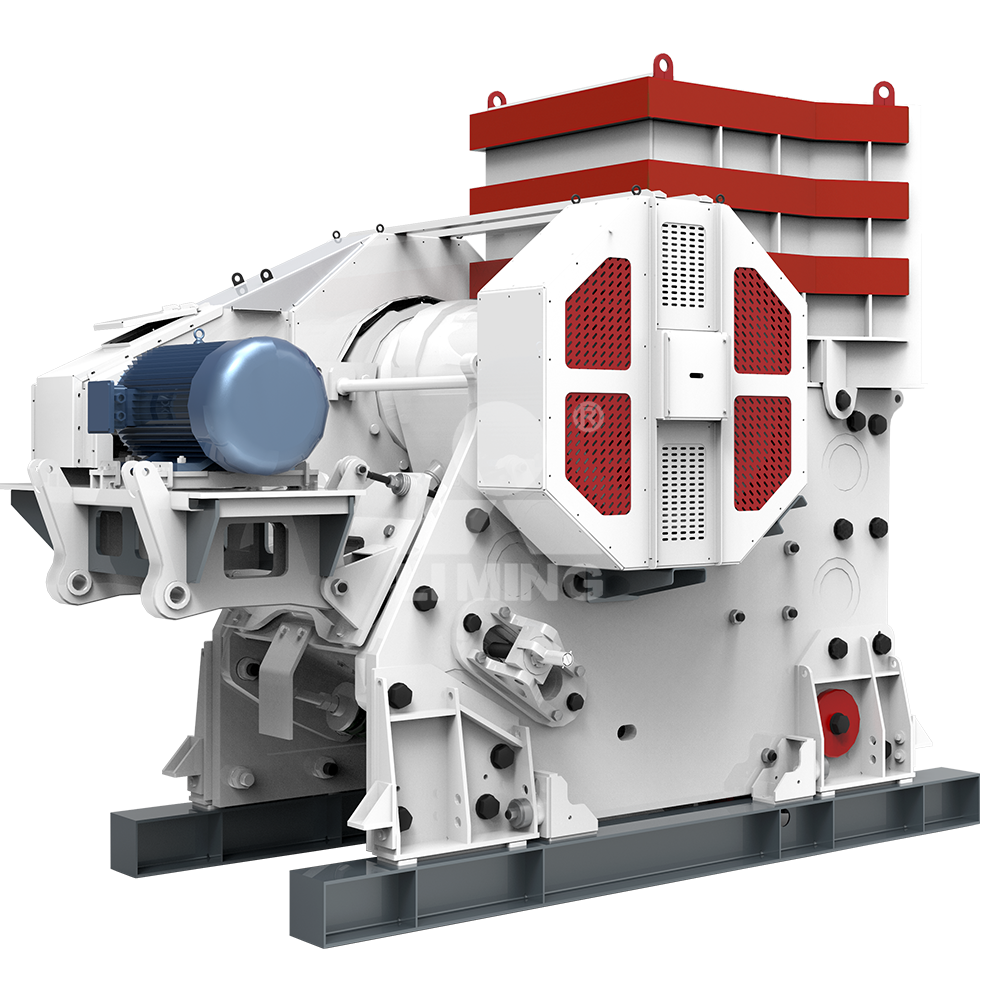
- Problem: The existing cone crushers were operating with outdated liner profiles not suited for shaping, resulting in flaky product shapes that compromised asphalt quality.
- Solution: The operation partnered with a major OEM to implement a tailored solution:
- A new cone crusher model was installed featuring an advanced cavity design optimized specifically for chip production.
- Automation was integrated via a modern control system that continuously monitored mainshaft position (CSS) and power draw.
- A new feeder strategy ensured consistent choke-feeding based on real-time crusher load.
- Result: Throughput increased by approximately 15% due to more efficient crushing action under constant load control.The percentage share of premium cubicle grains in the 4-8mm fraction improved from ~65% to over 85%, significantly enhancing asphalt performance.Maintenance intervals extended due to more even wear patterns from controlled feeding.
Frequently Asked Questions (FAQ)
Q1: How often should I check/adjust the Closed-Side Setting?
The frequency depends on material abrasiveness but should be part of daily operational checks using "lead slug" measurement methods as per OEM guidelines.For highly abrasive feeds like quartzite or taconite,CSS may need verification every shift.For less abrasive limestone,daily checks may suffice.Regular tracking creates a wear curve that aids predictive planning.
Q2: What does "ring bounce" mean,and how do I prevent it?
Ring bounce occurs when un-crushable material enters,the main shaft assembly momentarily loses contact with its seat,and then slams back down.It causes loud banging noises,vibration,and can damage components.Prevention relies on effective metal detection/removal systems ahead ofthe crusherand ensuring proper choke-feeding which cushions against such impacts.Automated control systems can detect pressure spikesand momentarily open relief valves if equipped.
Q3: Can I run my cone crusher without material ("empty")?
Absolutely not.Running empty allows metal-to-metal contact between mantleand concave,causing rapid damage.It also risks creating excessive dustin lubrication system if seals are compromised.Crushers should only be startedwith empty chamber but must havefeed introduced immediatelyafter reaching full speed,and stopped only after chamberis clearedofmaterialon shutdown sequence.
Q4: Whyis my lube oil temperature too high?
High oil temperature(typically above~65°C/150°F) indicates problems.Common causes include:a clogged ordirty oil cooler,a malfunctioning cooling fan,inadequateoil flow due topump issuesor wrong viscosity oil,crusheroperating under excessive load(over-crushing),or ambient temperatures exceeding design limits.Investigation should follow OEM troubleshooting charts startingwith coolerand fan inspection first before movingto internal mechanical checks like bearing condition which could be both causeand consequenceof overheating