
copper ore mining equipments
Copper Ore Mining Equipment: A Practical Guide to Machines, Selection, and Real-World Performance
Copper ore mining equipment covers the full chain of machines used to extract, haul, crush, grind, and concentrate copper-bearing rock, from drilling rigs and haul trucks to jaw crushers, SAG mills, and flotation cells. The right equipment set depends on ore type (sulfide vs. oxide), deposit hardness, throughput target, and whether the operation is open-pit or underground. This article breaks down the main equipment categories, compares key options in table form, and includes a documented case from a working copper mine.
Main Equipment Categories in Copper Mining
1. Drilling and Blasting
Open-pit copper mines typically use rotary blast-hole drills (e.g., P&H, Sandvik, Epiroc models) to bore holes 150–400 mm in diameter. Underground operations use jumbo drills. Explosives break the rock before loading.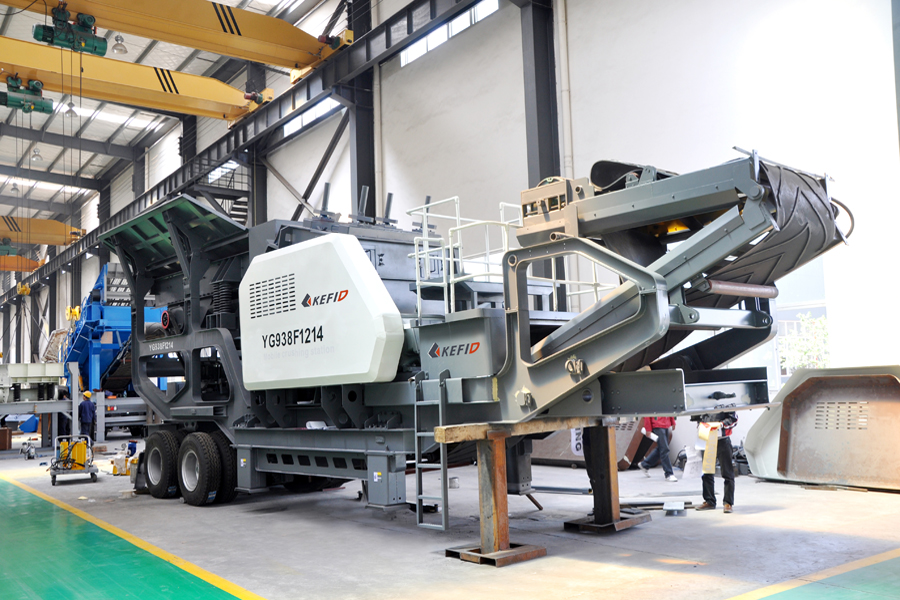
2. Loading and Hauling
Electric rope shovels (e.g., P&H 4100 series) and hydraulic excavators load ore into haul trucks. Ultra-class trucks such as the Caterpillar 797F (payload ~363 t) and Komatsu 980E are common at large porphyry copper mines. Underground, LHD (load-haul-dump) machines and underground trucks do the work.
3. Crushing and Grinding
Primary crushing is usually done with gyratory or jaw crushers. Secondary/tertiary crushing uses cone crushers. Grinding then uses SAG mills and ball mills to reduce ore to liberation size (often under 150 µm)..jpg)
4. Beneficiation (Concentration)
For sulfide ore, froth flotation is the standard method, using flotation cells (e.g., Outotec TankCell, Metso RCS). Oxide ore typically goes through heap leaching, solvent extraction (SX), and electrowinning (EW) instead.
5. Dewatering and Tailings
Thickeners, filter presses, and tailings storage facilities handle waste slurry.
Comparison Table: Key Equipment Options
| Stage | Option A | Option B | Typical Use Case |
|---|---|---|---|
| Primary crushing | Gyratory crusher | Jaw crusher | Gyratory for high capacity (>1000 t/h); jaw for smaller or underground |
| Grinding | SAG mill + ball mill | HPGR + ball mill | SAG circuits dominate large copper concentrators; HPGR saves energy in hard ore |
| Flotation | Mechanical flotation cell | Column flotation cell | Mechanical for roughing; column for cleaning and fine particles |
| Hauling (open pit) | Rigid haul truck | Articulated dump truck | Rigid for long hauls; articulated for wet, soft, or steep terrain |
| Underground loading | LHD (diesel) | LHD (electric) | Electric LHDs reduce ventilation cost in deep mines |
Real Case: Buenavista del Cobre (Cananea), Mexico
Buenavista del Cobre, operated by Grupo México, is one of the largest copper mines in the world. It uses large-scale open-pit equipment including electric shovels and ultra-class haul trucks, feeding a concentrator with SAG and ball mill circuits. The operation also runs a major SX-EW plant for oxide ore. According to Grupo México's public reports, the mine has produced over 400,000 tonnes of copper per year in recent years, supported by continuous equipment upgrades to maintain throughput as ore grades decline. This illustrates a common trend: as grades drop, mines expand equipment capacity rather than cut equipment count.
Equipment Selection Factors
- Ore hardness (Bond Work Index): harder ore favors HPGR or larger mills.
- Throughput target: determines crusher and mill size.
- Ore type: sulfide → flotation; oxide → leach/SX-EW.
- Site conditions: altitude, water availability, power supply.
- Automation level: remote-operated LHDs and autonomous haul trucks are increasingly standard.
FAQ
Q1: What is the most important piece of equipment in a copper mine?
There is no single answer, but the grinding circuit (SAG/ball mills) is often called the "heart" of a concentrator because it determines liberation and throughput. A failure there stops the whole plant.
Q2: Do copper mines use the same equipment for oxide and sulfide ore?
No. Sulfide ore goes through crushing, grinding, and flotation. Oxide ore usually skips fine grinding and goes to heap leaching, SX, and EW. The mining (drilling, loading, hauling) equipment is similar, but processing equipment differs significantly.
Q3: Are autonomous haul trucks used in copper mining?
Yes. Mines in Chile, Australia, and Canada have deployed autonomous haulage systems (AHS), mainly from Caterpillar and Komatsu. Reported benefits include lower operating cost and improved safety, though capital cost is high.
Q4: How does ore hardness affect equipment choice?
Harder ore increases wear and energy consumption. Mines may choose HPGR over SAG mills, use larger crushers, or add pebble crushing. Bond Work Index testing is standard before equipment selection.
Q5: What is the typical lifespan of copper mining equipment?
Haul trucks: 60,000–100,000 hours. Crushers: 20–30 years with rebuilds. Mills: 20+ years. Flotation cells: 15–25 years. Lifespan depends heavily on maintenance and abrasive wear.
Conclusion
Copper ore mining equipment is a system, not a single machine. The right combination depends on ore type, hardness, throughput, and site conditions. Real operations like Buenavista del Cobre show that as grades decline, mines rely on larger, more efficient equipment and automation to stay profitable. Selection should always be based on ore testing data and total cost of ownership, not just purchase price.