
copper scrap crusher to powder
Copper Scrap Crusher to Powder: A Practical Guide to Converting Copper Scrap into Fine Powder
Converting copper scrap into powder is a two-stage process: coarse crushing followed by fine grinding, with intermediate screening and separation steps to control particle size and remove impurities. The equipment train typically consists of a jaw or hammer crusher for primary size reduction, a granulator or hammer mill for secondary crushing, and a ball mill, disc mill, or turbo mill for final pulverization to powder. Because copper is ductile, fine grinding is the most challenging step—material tends to flatten or smear rather than fracture—so mills must be selected and operated with this in mind. The resulting powder is used in powder metallurgy, friction materials (brake pads), brazing pastes, conductive coatings, and chemical catalysts. The sections below cover equipment selection, a process comparison, a real-world case, and common operational questions.
Equipment Selection and Process Comparison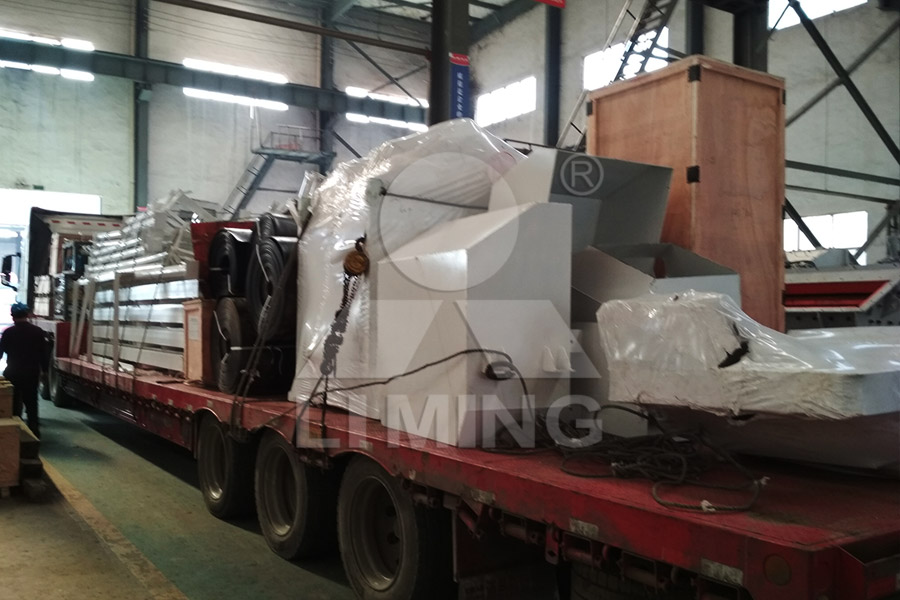
The right configuration depends on your target particle size, feed material (wire, cable, radiators, motors, printed circuit boards), and throughput. The table below compares the main options.
| Stage | Equipment | Typical Feed Size | Typical Output | Best For | Key Limitations |
|---|---|---|---|---|---|
| Primary crushing | Jaw crusher | ≤200 mm | 10–50 mm | Bulky scrap, motor casings, radiators | Produces flat flakes on ductile copper; not for fine output |
| Primary/secondary | Hammer crusher | ≤100 mm | 1–10 mm | Mixed scrap, cable with insulation | Heat buildup; wear parts; noise |
| Secondary | Granulator / cutting mill | ≤20 mm | 0.5–5 mm | Wire and cable, thin sheet | Limited fineness |
| Fine grinding | Ball mill | ≤5 mm | 20–200 µm | General powder production | Long cycle times; cold welding; needs process control agent |
| Fine grinding | Disc mill / pin mill | ≤3 mm | 20–150 µm | Brittle or pre-embrittled copper | Throughput limits; heat generation |
| Fine grinding | Turbo mill | ≤3 mm | 30–200 µm | Continuous production | Sensitive to moisture and oil contamination |
| Classification | Vibratory screen / air classifier | — | Cut at target mesh | Size control, quality assurance | Screen blinding with ductile powder |
Two practical points stand out from operating experience. First, copper's ductility means fine grinding is far more efficient if the material is embrittled first—cooling with liquid nitrogen (cryogenic grinding) or adding a process control agent (e.g., stearic acid) reduces cold welding and mill buildup. Second, insulation and oil must be removed before fine grinding; cable scrap is usually granulated and then separated by air classification or water separation before milling.
Real-World Case: Cable Scrap to 100-Mesh Copper Powder
A recycling operation in Zhejiang, China, processing roughly 2 tons/day of mixed copper cable scrap uses the following line: a copper wire granulator (cutting mill) reduces cable to 2–4 mm granules; a gravity/air separator removes PVC insulation; a hammer mill further reduces clean copper to ≤2 mm; and a ball mill with a small addition of stearic acid grinds the material to approximately 80–150 µm (about 100–170 mesh). Screening with a 100-mesh vibratory screen provides the final cut, with oversize returned to the mill. Reported outcomes: metal recovery above 97% (insulation losses and fines), mill throughput around 150–200 kg/h, and powder purity sufficient for friction-material customers. The main operational issues were mill heat buildup (addressed with intermittent milling cycles) and screen wear from abrasive copper flakes.
Frequently Asked Questions
1. Why is copper harder to grind than brittle metals?
Copper is highly ductile. Instead of fracturing, particles deform, flatten, and cold-weld to mill media and liners. This reduces grinding efficiency and can contaminate the powder. Solutions include cryogenic cooling, process control agents, and choosing shear-based mills (disc, pin, turbo) over pure impact mills.
2. What particle size can I realistically achieve?
With a ball mill and proper process control, 50–150 µm is routine; below 45 µm becomes difficult and slow because of agglomeration and cold welding. For very fine powder, inert-gas or cryogenic milling is usually required.
3. Do I need to remove insulation before grinding?
Yes. PVC and other insulation must be separated (granulation plus air or water separation) before fine grinding. Insulation in the mill lowers powder purity, generates heat, and fouls screens.
4. What safety measures are required?
Copper powder is not pyrophoric like aluminum powder, but fine metal dust is still a dust-explosion and inhalation hazard. Use grounded, explosion-rated equipment, dust collection with proper filters, and personal protective equipment. Oil-contaminated scrap should be degreased before milling..jpg)
5. What is the powder used for?
Common applications include powder metallurgy parts (bearings, brushes), friction materials such as brake pads, brazing and soldering pastes, conductive inks and coatings, and catalyst precursors. Purity and particle size distribution determine which market the powder can serve.