
corundum mine process
Corundum Mine Process: Extraction, Processing, and Industrial Applications
Corundum mine process refers to the sequence of operations used to extract corundum (a naturally occurring aluminum oxide, Al₂O₃) from its host deposits and upgrade it into usable industrial grades. Because corundum ranks 9 on the Mohs scale, second only to diamond, the process differs significantly from that of softer industrial minerals. It typically involves selective extraction, gravity-based beneficiation, magnetic separation, and, in some cases, acid leaching or calcination, depending on whether the final product is destined for abrasives, refractories, or gemstone use. The following sections outline each stage, compare common processing routes, and provide a real-world case example.
1. Geological Occurrence and Its Effect on Process Design
Corundum forms in silica-poor, alumina-rich environments. The two main deposit types are:
- Primary (hard-rock) deposits – found in syenites, nepheline syenites, and metamorphic rocks such as emery deposits (corundum mixed with magnetite and spinel).
- Secondary (placer) deposits – corundum concentrated by weathering and transported into alluvial gravels.
The deposit type dictates the mining method. Hard-rock corundum requires drilling and blasting, while placer deposits can be worked with hydraulic excavators and washing plants. This distinction is the single largest factor in cost and equipment selection.
2. Extraction Methods
| Method | Suitable Deposit | Typical Equipment | Key Advantage | Key Limitation |
|---|---|---|---|---|
| Open-pit drilling & blasting | Hard-rock emery, syenite-hosted corundum | Jackhammers, ANFO explosives, excavators | High recovery from competent rock | High capital cost; dust control required |
| Hydraulic mining / washing | Alluvial placer | Monitor guns, trommels, jigs | Low cost per tonne | Limited to unconsolidated gravels |
| Hand-cobbing / selective mining | High-grade gem or abrasive pockets | Manual tools, small loaders | Preserves large crystals | Very low productivity |
In most industrial operations, open-pit methods dominate. For example, the emery deposits of Naxos, Greece, have been worked by open-pit quarrying since antiquity, with drilling and blasting followed by manual or mechanical sorting.
3. Beneficiation (Ore Dressing)
Run-of-mine corundum is rarely pure. Associated minerals include magnetite, hematite, spinel, feldspar, mica, and quartz. The goal of beneficiation is to increase Al₂O₃ content and remove iron-bearing contaminants, which lower refractory and abrasive performance.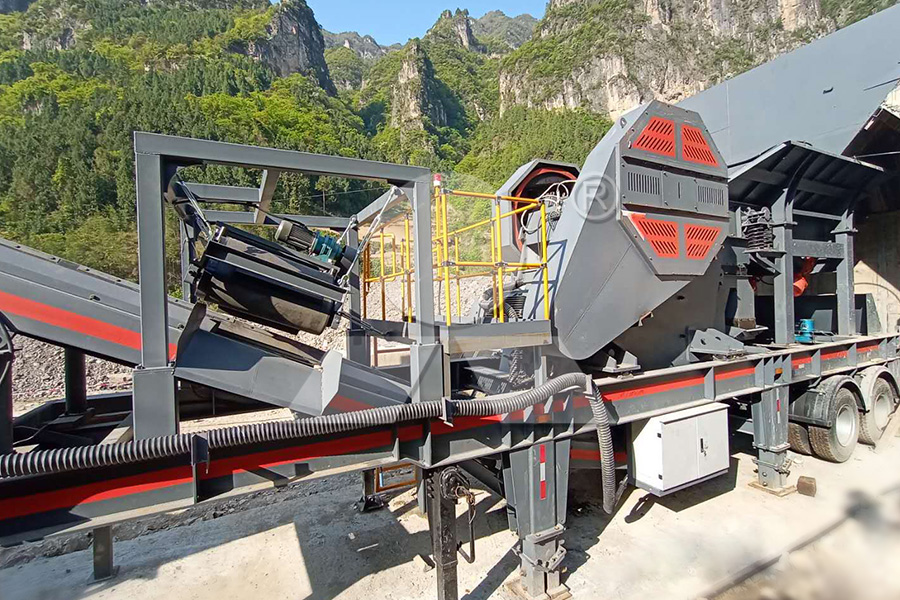
Typical flowsheet:
- Crushing and grinding – Jaw and cone crushers reduce ore to <10 mm; rod or ball mills liberate corundum grains.
- Gravity separation – Jigs, spirals, or shaking tables exploit corundum's high specific gravity (3.9–4.1 g/cm³) versus silica (2.65) and feldspar (2.55–2.76).
- Magnetic separation – Removes magnetite and hematite. Wet high-intensity magnetic separators (WHIMS) are common for fine fractions.
- Flotation – Used less frequently but effective for fine corundum using fatty acid collectors at pH 8–9.
- Acid leaching – Hot hydrochloric or sulfuric acid dissolves residual iron oxides, raising whiteness and purity for refractory-grade concentrates.
- Calcination – Heating to 1000–1500 °C removes volatiles and densifies grains for refractory use.
4. Comparison of Processing Routes by End Use
| End Use | Required Al₂O₃ Grade | Key Processing Steps | Example Product |
|---|---|---|---|
| Abrasives (bonded & coated) | 90–95% | Crushing, gravity separation, magnetic separation, sizing | Emery wheels, sandpaper |
| Refractories | 95–99% | Above + acid leaching + calcination | Kiln linings, ladle bricks |
| Gemstones | Natural crystal, minimal processing | Hand sorting, washing, faceting | Ruby, sapphire |
| Polishing compounds | 85–92% | Grinding, elutriation, classification | Lapping powders |
This table shows that the same ore body can yield different products depending on how far the process is taken. Refractory-grade corundum demands the most rigorous beneficiation.
5. Real Case: Naxos Emery Deposit, Greece
The Naxos emery deposits have been mined since at least 3000 BCE and remain one of the few large-scale corundum sources in Europe. The ore is a mixture of corundum (30–60%), magnetite (20–40%), and spinel, with minor hematite and chlorite.
Historical and current process:
- Open-pit quarrying with drilling and blasting.
- Manual sorting to remove barren rock.
- Crushing to <50 mm.
- Magnetic separation to remove magnetite (this step is critical because iron content above 10% makes the product unsuitable for refractories).
- Gravity concentration on shaking tables to produce a 90–95% Al₂O₃ concentrate.
- Final grinding and sizing for abrasive or refractory markets.
According to published mineralogical studies (e.g., those by the Institute of Geology and Mineral Exploration, Greece), the Naxos plant achieved a recovery of about 70–75% of corundum values in the 1980s–1990s, with concentrate grades suitable for abrasive wheels. The operation declined in recent decades due to competition from synthetic corundum (fused alumina), but it remains a classic example of gravity–magnetic beneficiation applied to a hard-rock corundum deposit.
6. Environmental and Safety Considerations
- Dust – Corundum dust is a respiratory irritant; wet suppression and baghouse filters are standard.
- Tailings – Magnetic and gravity tailings may contain heavy minerals; lined impoundments are required in many jurisdictions.
- Water – Gravity separation and flotation consume significant water; recycling is common in modern plants.
- Energy – Grinding and calcination are energy-intensive; this is the main reason synthetic corundum dominates the abrasives market.
7. Frequently Asked Questions
Q1: What is the difference between corundum mining and bauxite mining?
Corundum (Al₂O₃) is a hard, high-grade aluminum oxide mineral. Bauxite is a softer, hydrated aluminum ore (mainly gibbsite, boehmite, diaspore) used to make alumina via the Bayer process. Corundum is not a primary source of aluminum metal; it is valued for its hardness and refractoriness.
Q2: Why is magnetic separation so important in corundum processing?
Most corundum ores contain magnetite or hematite. Iron lowers the refractoriness and can cause discoloration in abrasives. Magnetic separation removes these minerals efficiently because corundum itself is non-magnetic.
Q3: Can corundum be produced synthetically, and does that affect mining?
Yes. Fused alumina and sintered corundum are made from bauxite in electric arc furnaces. Synthetic corundum now supplies the majority of abrasive and refractory markets, which has reduced demand for natural corundum mining. Natural corundum is still mined for specialty uses and gemstones.
Q4: What is emery, and how is it processed?
Emery is a natural mixture of corundum, magnetite, and spinel. It is processed by crushing, magnetic separation (to remove some iron), and sizing. It is used in coated abrasives and non-slip surfaces.
Q5: Is corundum mining still economically viable?
In most regions, no—synthetic corundum is cheaper and more consistent. However, some deposits (e.g., in Zimbabwe, South Africa, and India) are still worked for abrasive and refractory markets, and gemstone-grade corundum (ruby, sapphire) remains highly profitable..jpg)
8. Summary
The corundum mine process is a chain of selective extraction, crushing, gravity concentration, magnetic separation, and sometimes acid leaching or calcination. The exact route depends on the deposit type and the intended end use. While natural corundum mining has declined in the face of synthetic alternatives, it remains technically important and is still practiced where high-grade deposits or gemstone-bearing gravels exist. The Naxos emery operation illustrates how gravity and magnetic methods can upgrade a complex, iron-rich ore into a marketable concentrate.