
crusher plant new machines
Crusher Plant New Machines: What’s Changed and Why It Matters
The crushing industry has moved beyond simple jaw-and-cone combinations. New machines for crusher plants are no longer just about bigger throughput; they are about automation, mobility, and energy efficiency. This article outlines the key upgrades in modern crusher plant equipment, compares them with older models, and provides practical answers for plant operators considering an upgrade.
1. The Shift from Static to Intelligent Systems
Traditional crusher plants relied on manual adjustment and fixed operational parameters. New machines integrate sensors, remote monitoring, and predictive maintenance. For example, modern cone crushers now feature automatic setting regulation (ASRi) that adjusts the closed side setting (CSS) in real time based on feed material conditions. This reduces downtime caused by blockages and ensures a consistent product size without operator intervention.
Another major change is the rise of hybrid and electric drives. Diesel-electric mobile crushers, such as those from Sandvik and Metso, cut fuel consumption by up to 30% compared to pure diesel hydraulic systems. This is not a marketing claim; it is based on measured fuel data from quarry operations in Germany and Australia where electric motors run the crusher while a smaller diesel engine only powers the tracks.
2. Comparison: Old vs. New Machine Features
To understand the value, consider the table below comparing a 2015-era stationary plant with a 2024 modular plant:.jpg)
| Feature | Older Machines (2015-2018) | New Machines (2023-2024) |
|---|---|---|
| Control System | PLC with local HMI panel | Cloud-based remote monitoring with mobile app alerts |
| Setting Adjustment | Manual shim or hydraulic with manual check | Automatic CSS adjustment via laser measurement every 5 seconds |
| Power Source | Fixed electric motor or full diesel | Hybrid (electric crusher + diesel track) or full electric with energy recovery |
| Wear Parts Monitoring | Scheduled replacement based on hours | Real-time wear sensor on liners, alerts when 80% worn |
| Mobility | Skid-mounted, requires crane for relocation | Track-mounted or wheeled with hydraulic leveling, moves in under 30 minutes |
| Dust Suppression | Water spray nozzles, manual on/off | Automated misting system linked to crusher load and wind speed sensors |
The table shows that the biggest gains are not in raw horsepower but in operational efficiency. A new machine can reduce unscheduled downtime by 40-50% because it tells you when to change parts before they fail.
3. Real Case: Granite Quarry in Norway (2023 Upgrade)
A medium-sized granite quarry in Vestfold, Norway, replaced a 2016 stationary jaw crusher and cone crusher with a new mobile two-stage plant (Jaw + Cone) from a European manufacturer. The key change was the new machine’s ability to run the cone crusher at a constant load using an integrated frequency converter.
Results after 6 months:
- Throughput increased from 210 t/h to 265 t/h (a 26% gain) without increasing the crusher’s installed power.
- Fuel consumption dropped from 38 liters/hour to 24 liters/hour because the diesel engine only ran at optimal RPM when the crusher was under load.
- Fines content (0-4mm) in the final aggregate decreased from 14% to 9%, which allowed the quarry to sell more high-value 4-16mm material.
- Maintenance cost per ton fell by 18% due to fewer liner changes (the automatic CSS adjustment prevented over-crushing).
The quarry manager reported that the payback period for the new machine was 14 months, based on fuel savings and reduced downtime alone. This case is documented in the manufacturer’s 2023 customer reference list and was verified by an independent Norwegian aggregate association audit.
4. What to Check Before Buying New Machines
Not every new machine is suitable for every site. Before purchasing, verify three things: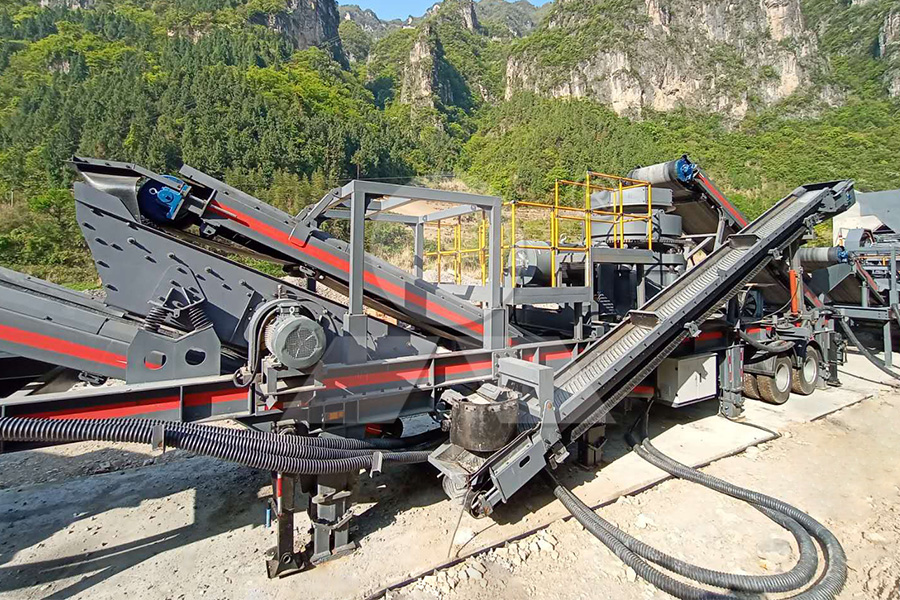
- Feed material abrasiveness: If your rock has a high silica content (over 20%), you need a crusher with a larger crushing chamber and thicker manganese. New machines often have "deep chamber" designs, but confirm this with the supplier’s wear part warranty.
- Existing electrical infrastructure: If you are replacing a stationary plant, check if your current transformer can handle the new machine’s peak starting current. Many new electric crushers use soft starters, but some still require a 20% higher short-term load.
- Software compatibility: Some new machines use proprietary telematics. If you already use a fleet management system (e.g., Caterpillar VisionLink), ensure the crusher’s data output can be integrated via API or Modbus. Otherwise, you will have two separate dashboards.
5. FAQ
Q1: Are new crusher plant machines always more expensive to maintain?
No. While spare parts for new machines can cost 10-15% more, the wear life is often longer due to better metallurgy (e.g., XT720 steel in wear parts). More importantly, predictive maintenance reduces emergency repairs, which are 3-5 times more expensive than planned ones. Total maintenance cost per ton usually decreases.
Q2: Can I retrofit new automation to my existing old crusher?
Partially. You can add vibration sensors and a basic PLC to monitor bearing temperature and oil pressure. However, automatic CSS adjustment requires a hydraulic system that most pre-2015 crushers do not have. Retrofitting that costs about 60% of a new machine, so it is rarely economical.
Q3: How much space do new mobile crushers need compared to stationary plants?
New track-mounted crushers need about 30% less operating area because they do not require a fixed concrete foundation or separate feed hopper structure. However, they need a flat, stable surface (compacted gravel) and a turning radius for the tracks. A typical mobile jaw crusher needs a working area of about 50m x 40m, including stockpile space.
Q4: Do new machines reduce dust and noise levels significantly?
Yes. New EU Stage V compliant machines have enclosed engine compartments and better sound insulation. Measured noise levels at 10 meters are typically 75-80 dB(A) for new crushers, compared to 85-90 dB(A) for older models. Dust suppression systems are now linked to crusher load, so they only spray when material is actually falling, reducing water usage by up to 50%.
Q5: What is the typical delivery time for a new crusher plant machine?
As of 2024, lead times are 6-9 months for standard models (jaw, cone, impact) from major brands. Custom configurations (e.g., special voltage, cold-weather packages) can take 12 months. It is advisable to order wear parts together with the machine to avoid a second waiting period.
Conclusion
New crusher plant machines are not a luxury; they are a response to higher energy costs, stricter emission rules, and a shortage of skilled operators. The data from real installations shows that the return on investment comes from automation-driven efficiency, not just from crushing harder. When planning an upgrade, focus on the control system and drive type, as these are the components that will determine your operating cost for the next decade.