
euipment for coal breaking
Equipment for Coal Breaking: An Overview
Coal breaking, a critical stage in coal preparation and handling, involves reducing the size of mined coal to meet specific requirements for transportation, processing, or end-use. The efficiency of this process directly impacts downstream operations, product quality, and overall plant economics. This article outlines the primary types of equipment used for coal breaking—crushers and sizers—compares their key characteristics, presents a real-world application case study, and addresses common questions about the technology.
The core equipment for coal breaking falls into two main categories: crushers and breakers/sizers. While the terms are sometimes used interchangeably, they often denote different crushing philosophies. Traditional crushers (e.g., jaw, gyratory, cone) typically apply high compressive force to fracture material. In contrast, modern coal sizers and rotary breakers utilize a combination of impact and shear forces, offering advantages in handling wet, sticky feed and minimizing fines generation—a crucial factor for certain coal markets.
The selection between a primary crusher and a sizer depends on factors like feed size, moisture content, required product size, capacity, and the hardness/abrasiveness of the material. The following table contrasts two prevalent types of equipment used in primary coal breaking applications.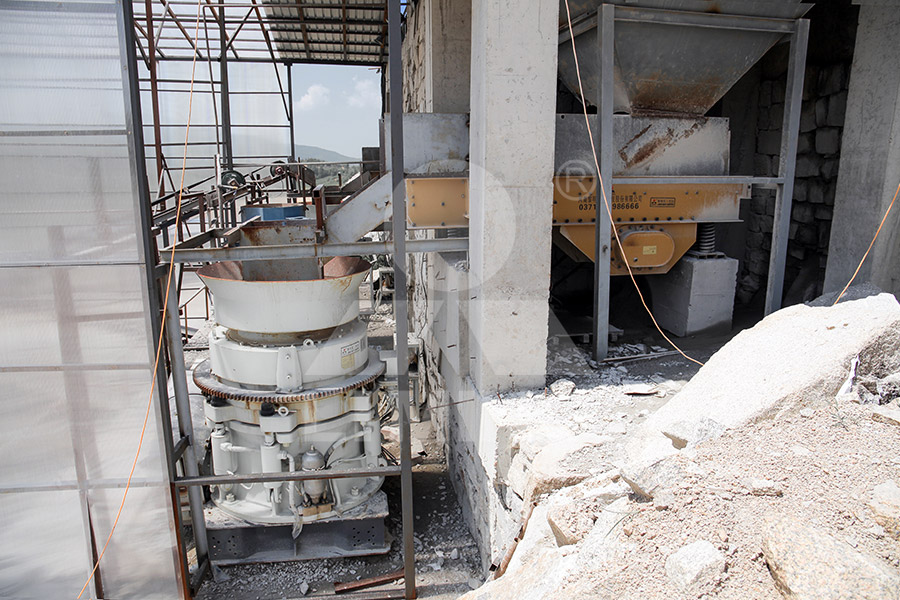
| Feature | Rotary Coal Breaker / Bradford Breaker | Double-Roll Crusher / Sizer |
|---|---|---|
| Working Principle | A rotating cylindrical screen tumbles coal; it breaks by impact against internal lifters, with undersize material passing through screen plates. | Two counter-rotating rolls with teeth or picks draw material into the chamber, breaking it by shear, tension, and compression. |
| Primary Action | Impact & Scrubbing. | Low-Speed Shear & Compression. |
| Key Advantage | Simultaneous breaking and screening; excellent for removing rock/refuse (as middlings) and handling high-surface-moisture coal with minimal clogging. | Compact design; produces a controlled product size with lower fines generation compared to some crushers; handles sticky materials well. |
| Typical Feed Size | Up to 300mm or larger. | Up to 500mm or larger, depending on model. |
| Product Size Control | Governed by screen plate aperture size (e.g., 50mm - 100mm). | Governed by roll gap setting and tooth profile. |
| Fines Generation | Relatively low due to tumbling action. | Can be designed for low fines production (e.g., clean coal crushing). |
Real-World Application Case Study: A Clean Coal Circuit in Queensland, Australia
A major metallurgical coal mine in Queensland’s Bowen Basin faced challenges with its raw coal feed containing clay bands and variable moisture. The existing primary jaw crusher frequently experienced plugging issues during wet periods, causing downtime and maintenance headaches.
The solution involved replacing the jaw crusher with a heavy-duty twin-drive mineral sizer. This equipment was selected based on its proven ability to handle sticky feed via its direct feed design and aggressive chopping/splitting action.
- Implementation: The sizer was installed as the primary breaking unit post the initial scalping screen.
- Results: The change led to a significant reduction in unscheduled downtime due to blockages. The sizer provided a more consistent product size to the downstream wash plant (typically -50mm), improving dense medium vessel efficiency. Furthermore, the controlled breakage action helped reduce the generation of ultra-fines (-0.5mm), preserving yield of valuable coking coal particles.
This retrofit demonstrated how selecting breakage equipment matched to material characteristics (wetness, stickiness) rather than just hardness can dramatically improve circuit reliability and economic output.
Frequently Asked Questions (FAQ)
Q1: What is the main difference between a crusher and a sizer for coal?
The distinction lies in the breaking action and application philosophy. Traditional crushers often rely on high compressive force (e.g., jaw crushers), which can generate more fines when dealing with softer materials like coal. Sizers are designed specifically for soft to medium-hard minerals like coal and salt; they operate at lower speeds using shear/tensile forces between rotating rolls equipped with teeth or picks. This results in more controlled sizing with less fines production and better handling of clay-laden or moist feeds..jpg)
Q2: Why is minimizing fines generation important in coal breaking?
Excessive fines (-0.5mm) create multiple operational challenges: they can be lost as slurry in wet processing plants (reducing yield), complicate dewatering processes (increasing costs), create dust hazards during handling/transportation if dry-processed ,and may be penalized or rejected in certain markets (e.g., some coke oven contracts specify strict size limits).
Q3: When is a Rotary Breaker preferred over other types of breakers?
A Rotary Breaker is particularly advantageous when run-of-mine (ROM) coal contains significant amounts of harder shale or rock refuse intermixed with softer coal seams . Its dual function—breaking friable coal by tumbling impact while discharging harder rock through end trunnions—provides an effective preliminary removal of refuse ("de-stoning"), thus protecting downstream equipment from abrasion .
Q4: How does feed moisture influence equipment selection?
High surface moisture leads to sticky material that can plug traditional crusher chambers . For such conditions , rotary breakers are highly resistant due their self-cleaning tumbling action . Similarly , modern sizers with staggered tooth patterns , direct chute-feed designs ,and sometimes integrated cleaning tools are engineered specifically manage cohesive feeds without clogging .
Q5: What are key maintenance considerations for primary coal breakers?
Wear part replacement is paramount . For rotary breakers , regular inspection/replacement screen plates lifters internal linings essential maintain throughput product sizing . For roll-type sizers/crushers monitoring wear patterns teeth/picks shafts bearings critical ; many designs feature cartridge-style bearing assemblies modular tooth holders facilitate faster maintenance minimize downtime scheduled shutdowns .