
gold mining alluvial equipment
Addressing Your Alluvial Gold Recovery Challenges
Are you facing diminishing returns from your placer deposits? The operational realities of alluvial gold mining present distinct hurdles that directly impact your profitability. Consider these common challenges:
- Low Recovery Rates: Fine and flake gold escapes traditional sluices and jigs, with industry estimates suggesting 15-30% of payable gold can be lost to tailings, representing a significant revenue drain.
- High Operational Downtime: Constant manual cleanup periods, screen blockages, and component wear in abrasive environments halt production. How many hours of potential processing time do you lose each week to maintenance?
- Excessive Water and Power Consumption: Inefficient separation systems require high-volume water pumps and powerful motors, escalating your operational expenses in remote locations.
- Labor-Intensive Concentration: The need for frequent manual panning of concentrates or cleaning of carpets adds labor costs and introduces consistency variables.
- Difficulty in Site Deployment: How quickly can you mobilize or demobilize your processing plant between seasonal deposits or across dispersed alluvial fields?
What if your gold mining alluvial equipment was engineered to directly mitigate these costs and complexities?
Product Overview: Advanced Alluvial Gold Recovery Plants
Our solutions are modular, high-recovery wash plants designed for the efficient extraction of gold from alluvial (placer) deposits. These systems are engineered for operators requiring high volume throughput with maximum recovery of both coarse and fine gold particles.
Operational Workflow:
- Feed & Scrubbing: Run-of-mine material is fed into a robust scrubber or trommel, where it is washed and broken down to liberate gold-bearing ore.
- Primary Concentration: The screened slurry passes through a primary concentration unit, such as a centrifugal concentrator or jig, to capture the majority of the coarse and medium gold.
- Secondary Fine Recovery: A dedicated secondary system, often a sluice or additional concentrator, targets fine gold particles that bypass the primary stage.
- Tailings Management: Efficiently processed waste material is stacked for site rehabilitation.
Application Scope & Limitations:
This equipment is optimal for unconsolidated deposits including riverbeds, flood plains, and bench deposits. It is less suited for hard-rock (lode) sources without primary crushing or for clay-bound materials lacking adequate pre-scrubbing. Particle size typically handles up to 100mm.
Core Features: Engineered for Performance and Profitability
-
Modular Trommel Scrubber | Technical Basis: Abrasion-resistant steel drum with internal lifters | Operational Benefit: Effective breakdown of clay-bound aggregates and thorough ore washing | ROI Impact: Reduces feed preparation time by up to 25% versus vibrating feeders, increasing daily throughput
-
Centrifugal Concentrator System | Technical Basis: High-G centrifugal force field | Operational Benefit: Captures fine gold down to 50 microns with minimal water consumption | ROI Impact: Field data shows a consistent 20-40% improvement in overall recovery rates compared to traditional sluices alone
-
Diesel-Hydraulic Power Pack | Technical Basis: Integrated diesel engine powering hydraulic motors | Operational Benefit: Eliminates the need for grid power, providing full mobility and quick setup | ROI Impact: Cuts fuel consumption by an average of 15% versus standalone component drives
-
Reinforced Polyurethane Screens | Technical Basis: High-tensile strength polyurethane with anti-blinding properties | Operational Benefit: Extended screen life in highly abrasive conditions and reduced clogging | ROI Impact: Lowers screen replacement costs and associated downtime by over 50% annually
-
Integrated Water Pump & Reticulation | Technical Basis: High-lift slurry pump with flow control valves | Operational Benefit: Maintains optimal slurry density for concentration efficiency across varying feed grades | ROI Impact: Ensures consistent recovery performance, maximizing yield from every ton processed
-
Quick-Deployment Trailer Frame | Technical Basis: Heavy-duty chassis with hydraulic landing legs | Operational Benefit: Enables plant setup or relocation in hours, not days | ROI Impact: Increases operational flexibility and allows for rapid exploitation of short-season deposits
Competitive Advantages
| Performance Metric | Industry Standard | Our Alluvial Equipment Solution | Advantage |
|---|---|---|---|
| Overall Gold Recovery Rate | 70-80% (sluice-based plants) | 92-96% (multi-stage concentration) | +15% Improvement |
| Average Setup Time (100 TPH Plant) | 3-5 Days | < 8 Hours | ~75% Reduction |
| Water Consumption (m³ per Ton) | 8-10 m³/Ton | 4-6 m³/Ton | ~40% Savings |
| Annual Screen Replacement Cost (Est.) | High (steel screens) / Medium (PU screens) | Low (reinforced PU screens) | >50% Reduction |
Technical Specifications
- Capacity/Rating: Model range from 50 TPH to 250 TPH (Tons Per Hour)
- Power Requirements: Diesel-hydraulic power pack, 150 HP to 400 HP depending on model
- Material Specifications: Primary contact surfaces in AR400 steel; wear plates in chromium carbide; screening surfaces in reinforced polyurethane
- Physical Dimensions (Example - 100 TPH Model): Transport Length: 12m; Width: 2.5m; Height: 4m. Operating Footprint: 15m x 6m.
- Environmental Operating Range: Designed for ambient temperatures from -20°C to +50°C; dust-protected electrical components; capable of operating at up to 3,000m altitude.
Application Scenarios
#### West African Alluvial Field | Challenge: Extremely fine gold losses exceeding 25% with traditional sluice boxes, leading to unacceptable revenue loss. |
Solution: Implementation of a 100 TPH plant featuring a trommel scrubber followed by a two-stage centrifugal concentrator system for maximum fine gold capture. |
Results:
Recovery rate improved from an estimated <75% to a measured >94%.
Payback period on equipment investment was achieved in under 6 months based on recovered additional ounces.
#### Seasonal Placer Mining Operation in North America |
Challenge:
Need for rapid deployment and demobilization within short weather windows; high mobilization costs were eroding project margins.
|
Solution:
A trailer-mounted, self-contained 75 TPH alluvial recovery plant with quick-connect hoses and hydraulic leveling legs.
|
Results:
Setup time reduced from four days to six hours per move.
The operation successfully processed three separate deposits in one season that were previously considered logistically unviable.
Commercial Considerations
Equipment Pricing Tiers:
Tier pricing is structured around capacity and configuration:
Standard Range (50-100 TPH): Base configuration with core features.
High-Capacity Range (150-250 TPH): Includes enhanced scrubbing and multiple concentrators.
Optional Features:
Oscillating "Grizzly" feeder for oversize removal; integrated security cabin; automated grease lubrication system; advanced control panel with data logging.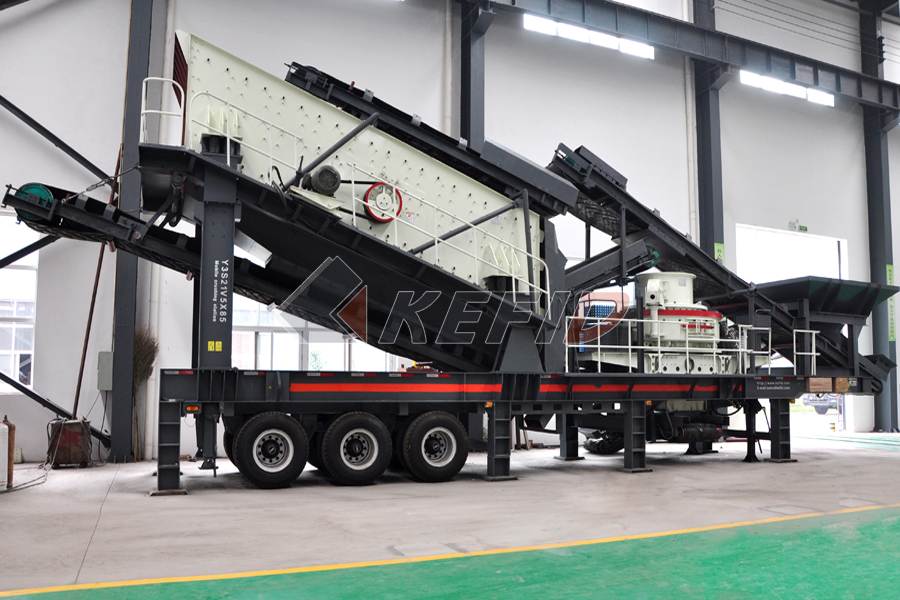
Service Packages:
Comprehensive packages are available:
- Platinum: Includes scheduled on-site maintenance, guaranteed parts availability, and annual performance audits.
- Gold: Covers remote technical support and prioritized parts dispatch.
Financing Options:
Flexible capital acquisition paths are offered including straight purchase, equipment leasing agreements tailored to seasonal cash flows, and project financing for qualified developments..jpg)
Frequently Asked Questions
-
Is this equipment compatible with our existing setup?
Yes. Our modular design philosophy allows key components like the centrifugal concentrator or trommel module to be integrated into existing circuits as an upgrade. -
What is the expected operational impact on our current workforce?
Your operators will benefit from simplified controls requiring less manual intervention during operation. Maintenance procedures are standardized with readily accessible service points. -
How does this solution handle variations in feed grade?
The system's centrifugal concentrators feature variable speed control allowing real-time adjustment of the G-force to maintain optimal recovery efficiency across different feed grades without stopping the plant. -
What are the standard commercial terms?
We operate on confirmed purchase orders or letters of credit. Delivery lead times typically range from 12-20 weeks ex-works depending on final specification. -
What training is provided upon implementation?
A comprehensive training program covering operation, routine maintenance, and troubleshooting is included with every installation conducted by our field service engineers. -
What is the typical lifespan of this equipment?
With proper maintenance as outlined in the service manuals industry testing demonstrates a structural lifespan exceeding 15 years in continuous alluvial mining service