
gold mining equipment mobile
Mobile Gold Mining Equipment: Revolutionizing Modern Prospecting
The landscape of gold mining has been fundamentally transformed by the advent of mobile processing equipment. Moving beyond the static, infrastructure-heavy plants of the past, mobile solutions offer unparalleled flexibility, reduced operational costs, and a significantly lower environmental footprint. This article explores the core components, advantages, and practical applications of mobile gold mining setups, which are particularly suited for small to medium-scale operations, remote locations, and exploratory campaigns.
Core Components of a Mobile Setup
A complete mobile gold mining system is designed for rapid deployment and efficient processing. Key units are typically mounted on trailers or skids.
- Mobile Crusher: Often a jaw crusher or cone crusher on wheels, it reduces raw ore to a manageable size.
- Mobile Screener: Separates crushed material into different size fractions, sending only the correctly sized material to the concentrator.
- Mobile Concentrator: The heart of the operation. This can be a vibrating wash plant (trommel or sluice-based), centrifugal concentrator (like a Knelson or Falcon concentrator), or a combination unit designed to recover gold from the screened ore.
- Power Unit: A dedicated diesel generator or power pack provides electricity to all components independently of grid power.
- Support Vehicles: Water trucks and excavators or loaders for material handling.
Advantages: Mobile vs. Traditional Static Plant
The primary benefits become clear when comparing mobile setups to traditional fixed plants.
| Feature | Mobile Equipment | Traditional Static Plant |
|---|---|---|
| Deployment Time | Hours to days. Can be towed and operational rapidly. | Months to years for site prep and construction. |
| Capital Investment | Generally lower initial cost; often leased or rented. | Very high upfront capital for land and permanent structures. |
| Flexibility | Extremely high. Can easily move between sites or dig faces within a pit. | Fixed location; ore must be transported to the plant. |
| Environmental Impact | Lower footprint; minimal permanent disturbance; easier site rehabilitation. | Significant land alteration; large-scale permanent infrastructure. |
| Ideal For | Remote/undeveloped areas, small/alluvial deposits, exploratory mining, contract mining. | Large-scale, long-life (10+ years) deposits with proven reserves near infrastructure. |
Real-World Application: A Contractor's Success in West Africa
A concrete example comes from a mining contractor operating in Guinea. Faced with multiple small, scattered alluvial gold deposits across a large concession, building a fixed plant was economically unviable due to high ore transportation costs.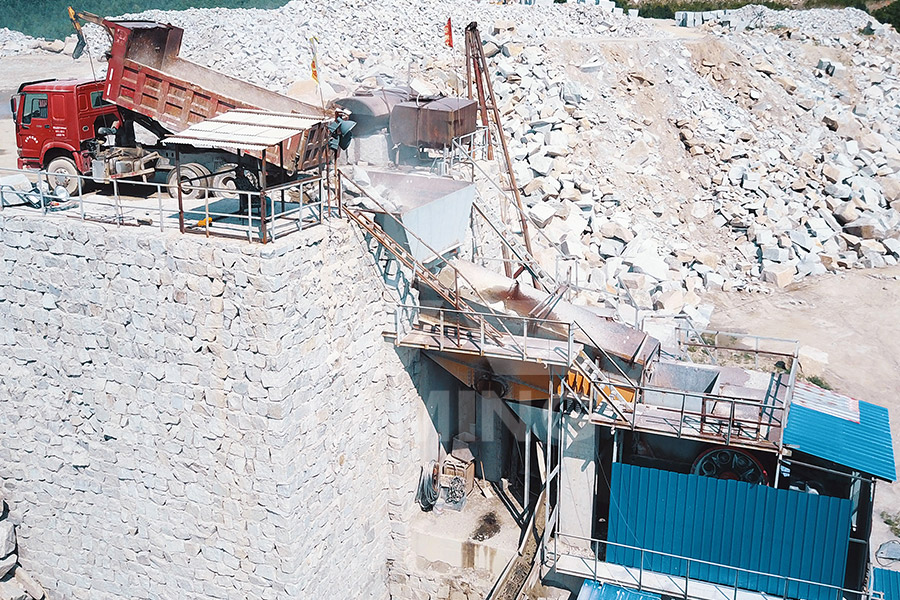
Solution: The company deployed a fully mobile processing fleet:
- A trailer-mounted trommel scrubber wash plant.
- A mobile jaw crusher for occasional harder conglomerate ore.
- Two excavators and water trucks.
Outcome: The team could move the entire operation every 4-6 weeks as each small deposit was exhausted. Setup at a new site took less than two days. This mobility allowed them to profitably exploit resources that would otherwise be considered marginal, increasing overall project yield by over 40% while keeping operational costs low..jpg)
Frequently Asked Questions (FAQ)
1. What type of gold deposit is best suited for mobile equipment?
Mobile equipment excels in processing alluvial or elluvial deposits (free gold in loose sediments like riverbeds), as well as oxidized near-surface vein materials that require simple crushing and gravity separation. They are less suited for complex ores requiring chemical leaching (like cyanidation) on-site, though mobile carbon-in-leach (CIL) systems do exist for larger-scale operations.
2. Can mobile plants achieve recovery rates comparable to large plants?
For the suitable deposit types (free-milling gravity-recoverable gold), modern mobile concentrators like centrifugal units can achieve very high recovery rates, often 90% or more, comparable to static gravity circuits. Recovery is always ore-specific and depends on proper setup and operation.
3. What are the major logistical considerations?
Access is key—can trailers reach the site? Water availability is critical for most gravity processes; sufficient volume must be sourced locally.Fuel supply for generators must be secured.Regulations vary by region; permits for mobile operations are often simpler but still required.
4.Is "mobile" equipment truly easy to move?
Within a site,yes—units can be towed by heavy trucks or dozers.Between distant sites,movement requires public road permits (for trailer dimensions/weight) and appropriate trucks.It is "relocatable," not constantly in motion.
5.What is the typical production capacity range?
Capacity varies widely.Small trommels for artisanal miners may process 10-20 cubic yards per hour.Larger industrial trailer-mounted wash plants can handle 50-200+ cubic yards per hour.The choice depends on resource volume and project timeline