
gypsum production powder manufacturers in europe
Gypsum Production and Powder Manufacturers in Europe: An Overview
The European gypsum industry is a significant and well-established sector, serving critical construction and industrial markets. Gypsum powder, primarily in the form of calcined gypsum (plaster of Paris) or as a component in cement, is produced by a network of major multinational players and regional specialists across the continent. This article outlines the key manufacturers, their production footprints, and the technological and sustainability drivers shaping the industry. It will also examine specific production solutions and present relevant data on market positioning.
Key Manufacturers and Market Presence
Europe's gypsum production is dominated by a few integrated multinationals that control everything from mining to finished plasterboard, alongside several notable powder producers. The landscape can be contrasted as follows:
| Company Name | Primary Product Focus | Key Production Countries (for powder/raw material) | Notable Characteristics |
|---|---|---|---|
| Saint-Gobain (Gyproc, BPB) | Plasterboard Systems, Gypsum Powders | France, UK, Germany, Poland, Scandinavia | Market leader; extensive recycling initiatives (GYPSY™ process). |
| Knauf Gips KG | Plasterboard Systems, Gypsum Powders | Germany, UK, Italy, Russia, Eastern Europe | Family-owned global giant; vertically integrated; strong in technical plasters. |
| Etex Group (Siniat) | Plasterboard Systems, Gypsum Powders | France, Belgium, UK, Poland | Major player with focus on building performance; significant R&D in lightweight solutions. |
| LafargeHolcim | Cement, Gypsum for Cement Setting Retarder | France, Germany, Switzerland, UK | Major consumer and producer of gypsum as a cement additive via its cement division. |
| British Gypsum (Part of Saint-Gobain) | Gypsum Powders, Plasterboards | United Kingdom | Leading UK brand with dedicated mining and processing sites like Barrow-upon-Soar. |
| Regional Specialists (e.g., Gypso Italia) | Technical Gypsum Powders, Agricultural Gypsum | Italy, Spain, Greece | Focus on specific applications like medical casts or soil conditioning. |
Production Process & Technological Solutions: A Case Study on Sustainability
Modern gypsum powder production involves mining or sourcing synthetic gypsum (a by-product from flue gas desulfurization in power plants), crushing, grinding, and calcining (heating to remove water). A dominant trend is the circular economy integration.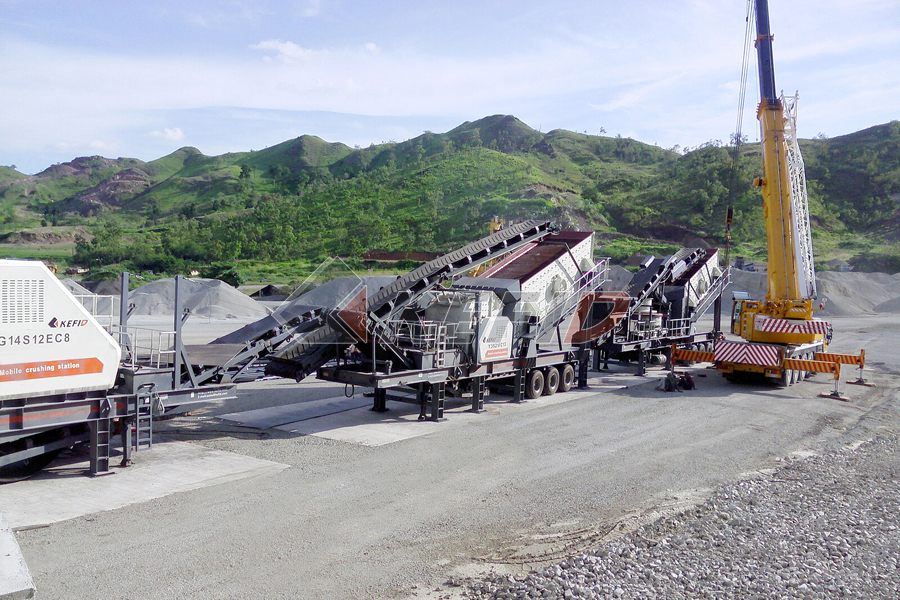
- Real-World Case: Saint-Gobain's GYPSY™ Recycling Plant in Saint-Priest (France):
This facility provides a tangible example of an advanced production solution. It is dedicated to recycling post-consumer and construction site plasterboard waste. The process involves:- Collection & Sorting: Waste plasterboard is collected from construction sites.
- Processing: The paper lining is separated from the gypsum core.
- Calcination: The recovered gypsum powder is re-calcined to restore its binding properties.
- Reintegration: The recycled gypsum constitutes up to 30% of the raw material input for new plasterboard production at the co-located plant.
This closed-loop solution reduces landfill use by over 45,000 tonnes annually at this site alone and decreases the need for virgin mineral extraction.
Frequently Asked Questions (FAQ)
1. What is the difference between natural and synthetic/FGD gypsum used by European manufacturers?
Natural gypsum is mined from mineral deposits. Synthetic gypsum (Flue Gas Desulphurisation or FGD gypsum) is a high-purity by-product obtained from scrubbing sulphur emissions from coal-fired power stations. European manufacturers heavily utilize FGD gypsum where available (e.g., Germany, UK, Poland) as it supports waste valorization, reduces mining,and offers consistent quality。 Both types are chemically identical (calcium sulfate dihydrate) after processing。
2。 Which European countries are the largest producers of gypsum?
Based on data from the European Gypsum Association,the largest producers of crude gypson(natural and synthetic)are Spain,France,Germany,the United Kingdom,and Italy。 These countries host major deposits of natural gypsoomand/or have significant availabilityof FGD gypsoomfrom industrial processes。
3。 How are European gypsoom manufacturers addressing environmental regulations?
The industry operates under strict EU Industrial Emissions Directive standards。 Key initiatives include: increasingthe useof recycled contentin products; improving energy efficiencyin kilns; reducing water consumption;and securing responsible land restorationafter mining。 The widespread adoptionof FGD gypsoomis itself amajor environmental strategy。
4。 What are themain applications for gypsoompowderin Europe?
The primary application(over 90%)is for themanufactureof plasterboards(drywall)for interior construction。 Other key uses include: technical building plasters(finishing,machines-applied);gypsumbased mortars; cement set retarder; soil conditionerin agriculture;and specialized applicationsin dentalor medicalcasts。.jpg)
Sources & Basis: Information compiled from publicly available corporate sustainability reports(Saint-Gobain,Knauf),industry publicationsfromthe EuropeanGypsomAssociation(Eurogypsom),and technical casestudies publishedonindustrial processing platforms.