
industrial sanding machine
Industrial Sanding Machines: An Overview
Industrial sanding machines are power tools and automated systems designed for the efficient, precise, and consistent abrasion of surfaces on a large scale. They are fundamental to manufacturing and finishing processes across diverse industries, including woodworking, metal fabrication, automotive, and aerospace. This article explores the core types of these machines, their applications, key selection criteria through comparative analysis, and real-world implementation cases..jpg)
The primary function of these machines is to remove material, smooth surfaces, deburr edges, or prepare substrates for coating. Moving beyond handheld tools, industrial sanders offer automation that enhances productivity, ensures uniform quality, and improves worker safety by reducing exposure to dust and vibration. Common types include wide-belt sanders for panel sizing and finishing, orbital sanders for fine finish preparation, stroke sanders for contoured components, and specialized abrasive planers or brush sanders for specific textures.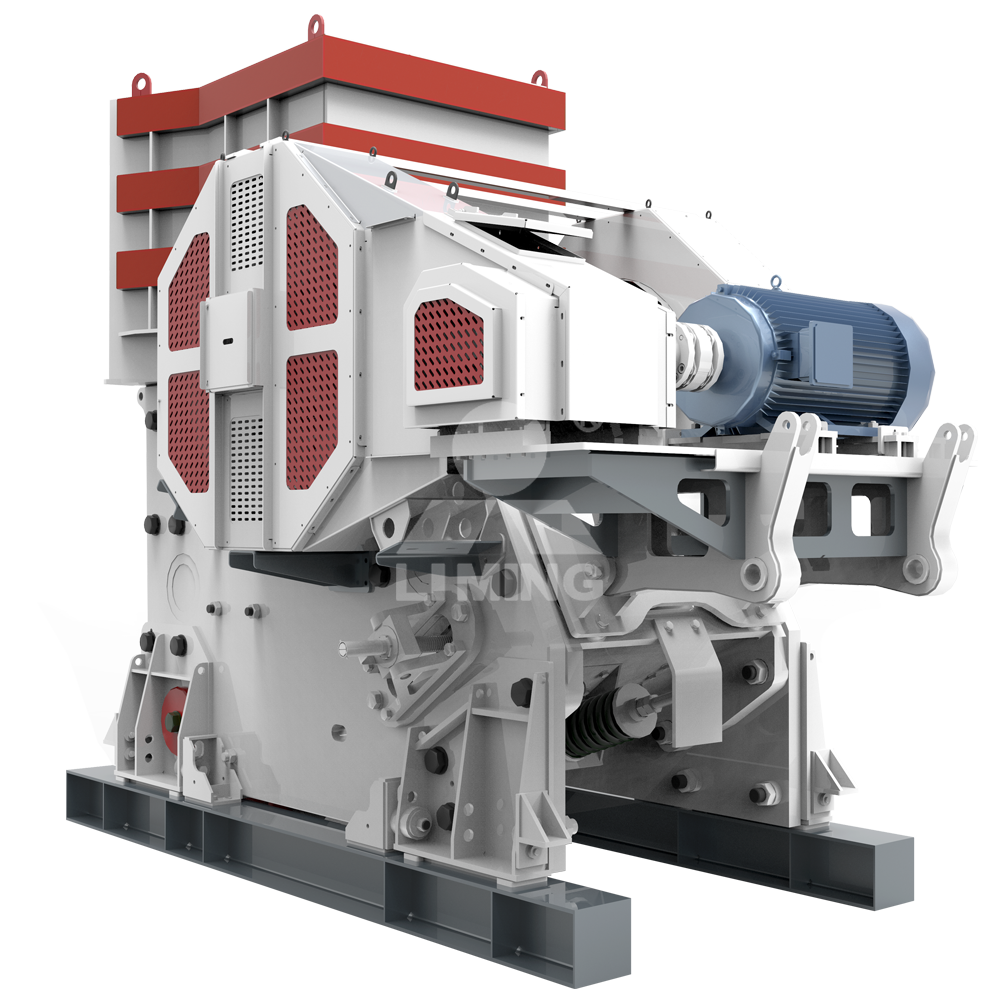
Selecting the Right Machine: A Comparative Guide
Choosing the appropriate sander depends on the workpiece material, desired outcome, and production volume. The following table contrasts four common industrial machine types:
| Machine Type | Primary Application | Best For | Key Advantage |
|---|---|---|---|
| Wide-Belt Sander | Surface planing, dimensioning, and finish sanding of flat panels (wood, composites). | Furniture panels, cabinet doors, flooring strips. | High material removal rate and exceptional surface consistency on large, flat areas. |
| Orbital / Stroke Sander | Final fine-sanding before finishing; removing minor imperfections. | Cabinet faces, musical instruments, high-end furniture components. | Produces a scratch-free, uniform surface without directional sanding marks. |
| Edge Belt Sander | Shaping and finishing edges, contours, and small parts. | Table edges chair legs mouldings. | Versatility in handling various profiles and complex geometries with dedicated jigs. |
| Abrasive Planer (Sanding Planer) | Simultaneous sanding of both faces of a board to precise thickness. | Solid wood boards prior to panel assembly. | Replaces traditional cutterhead planers for tear-out-prone materials; yields precise thickness calibration. |
Real-World Application Case: Automotive Interior Manufacturing
A prominent European manufacturer of luxury automotive interior trim components faced challenges with their wooden dashboard inlays. The parts required a flawlessly smooth matte finish free of any cross-grain scratches before applying a thin oil coating. Hand sanding was inconsistent and slow.
Solution: The company integrated an automated multi-head orbital sanding machine into their production line.
Implementation: The machine was equipped with a programmable robotic arm that held the contoured wood part. It passed through three sequential sanding stations:
- A coarse-grit head for initial uniformity.
- A medium-grit head for scratch removal.
- A fine-grit head with a non-woven abrasive for final polishing.
Each station featured dust extraction at the source.
Result: Finish quality became perfectly consistent across all units cycle time was reduced by 60% compared to manual sanding airborne dust in the workshop was drastically minimized improving the working environment.
Frequently Asked Questions (FAQ)
Q1: What is the critical difference between a wide-belt sander and an abrasive planer?
While both handle flat stock a wide-belt sander typically sands one face at a time primarily for surface conditioning or light thickness adjustment often after jointing/planing An abrasive planer is designed specifically for thicknessing it sands both the top and bottom faces of a board simultaneously bringing it to an exact calibrated thickness similar to a traditional planer but with less tear-out on figured woods
Q2: How important is dust collection for industrial sanding machines?
It is absolutely vital Effective dust collection is not merely a housekeeping issue It protects worker health extends abrasive life prevents machinery damage from clogging reduces fire risk from combustible dust (especially wood) and ensures a cleaner workpiece surface For many materials like MDF or certain metals OSHA regulations mandate specific control measures
Q3: Can industrial sanders handle curved or irregularly shaped parts?
Yes but it requires specialized equipment Standard wide-belt machines are for flat surfaces For curved parts such as chair seats or guitar bodies oscillating drum sanders or CNC-controlled robotic sanding arms are used These systems use compliant spindles or programmed paths that follow the component's contour maintaining consistent pressure
Q4: What factors determine how often I need to change the abrasive belt or disc?
Abrasive life depends on several key factors: the material being sanded (e.g., hardwood vs softwood metal type) the aggressiveness of material removal desired finish quality grit size finer grits often clog faster) and whether effective dust extraction is in place Monitoring surface finish quality and required feed pressure are practical indicators for change-out
Q5: Are there "all-in-one" industrial sanders suitable for small batch production?
Combination machines exist offering flexibility where space or budget is limited A common example is a "sander/planer" combo that functions as both a thickness planer using cutterheads) and a separate wide-belt sander While versatile they typically involve tool changes/setups making them less efficient than dedicated single-purpose machines in high-volume settings Their value lies in job-shop flexibility