
light production iron mining equipment supplier
Light Production Iron Mining Equipment Suppliers: What Buyers Need to Know
Light production iron mining refers to small- to medium-scale operations that extract and process iron ore with lower capital investment and reduced output compared to large industrial mines. Equipment suppliers serving this segment provide compact crushers, magnetic separators, screening plants, and material handling systems designed for portability, lower power consumption, and easier permitting. This article outlines what these suppliers offer, how to compare them, and what to watch for when selecting equipment for a light production iron mining operation.
What Sets Light Production Suppliers Apart
Unlike suppliers focused on high-tonnage mining operations, light production equipment suppliers prioritize:
- Modular design – Equipment that can be transported on standard flatbed trailers and assembled on-site without heavy cranes.
- Lower throughput capacity – Typically 5–100 tonnes per hour, depending on the stage of processing.
- Simplified maintenance – Fewer specialized parts, easier access for field repairs.
- Energy efficiency – Smaller motors and generators that match limited on-site power availability.
These suppliers often serve artisanal and small-scale mining (ASM) operations, pilot projects, and remote deposits where building a full-scale processing plant is not economically viable.
Comparing Equipment Categories
| Equipment Type | Typical Capacity | Key Function | Common Suppliers' Focus |
|---|---|---|---|
| Jaw Crusher | 1–50 t/h | Primary crushing of raw ore | Portability, low dust emission |
| Magnetic Separator | 5–80 t/h | Removing gangue, concentrating iron | Drum or belt type, wet/dry options |
| Vibrating Screen | 10–100 t/h | Size classification | Modular decks, easy mesh replacement |
| Ball Mill | 1–30 t/h | Fine grinding for liberation | Low-speed, energy-saving designs |
| Conveyor System | Custom | Material transport | Foldable, wheel-mounted options |
When comparing suppliers, request verified capacity data under actual ore conditions—not just laboratory specifications. Iron ore hardness (magnetite vs. hematite) significantly affects throughput.
Real-World Application: Small-Scale Magnetite Operation in Southeast Asia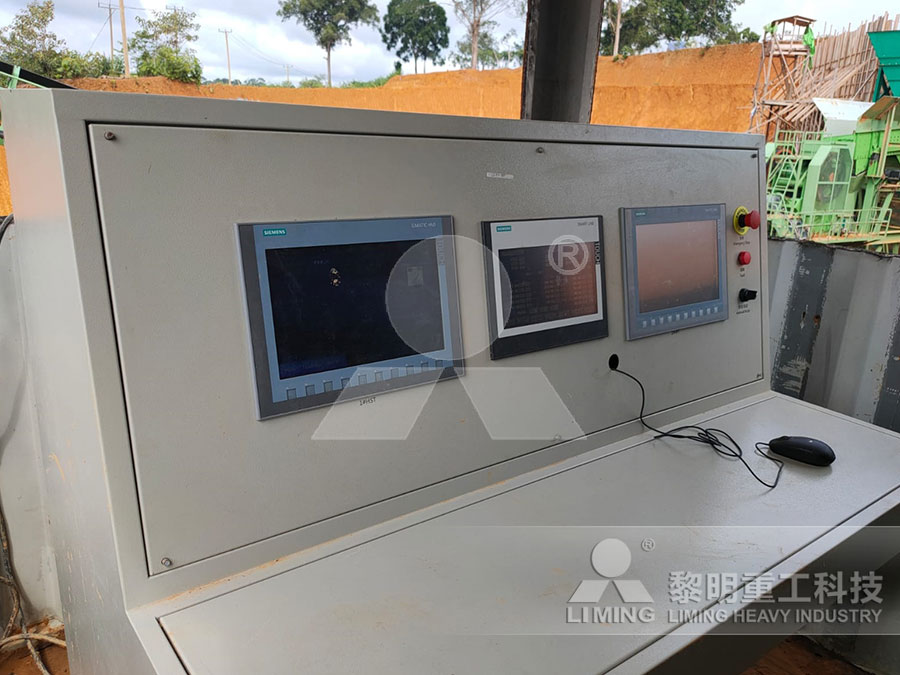
A 20 t/h magnetite processing operation in Southeast Asia used a combination of a mobile jaw crusher, a wet drum magnetic separator, and a vibrating screen supplied by a Chinese light equipment manufacturer. The setup allowed the operator to:
- Process ore at the deposit site, reducing transport costs.
- Achieve 65% iron concentrate grade with a single magnetic separation pass.
- Relocate the entire plant within two days when the mining permit area shifted.
The operator reported that equipment from specialized light production suppliers cost approximately 40% less than equivalent-capacity equipment from large mining OEMs, though spare parts delivery took longer.
Frequently Asked Questions
1. What is the typical lead time for light production iron mining equipment?
Most suppliers quote 30–60 days for standard configurations. Customized units or those requiring specific voltage/frequency may take 90 days or more..jpg)
2. Can light production equipment handle hard rock iron ore?
Yes, but jaw crushers and cone crushers must be selected based on the ore's compressive strength. Magnetite (harder) requires more robust wear parts than hematite.
3. Do these suppliers provide installation and training?
Many do, especially Chinese and Indian suppliers. However, for remote locations, buyers often need to arrange local labor and rely on remote video support.
4. What is the minimum investment for a light production iron mining setup?
A basic 10 t/h crushing and magnetic separation line typically ranges from USD 50,000 to USD 150,000, depending on automation level and brand.
5. How do I verify a supplier's claims about capacity and recovery rate?
Request a test report using ore samples similar to yours. Reputable suppliers will either run a pilot test or provide references from operations processing comparable ore types.
Key Considerations Before Buying
- Ore testing first – Never purchase based on general specifications alone. Send a representative sample to the supplier or a third-party lab.
- Spare parts availability – Confirm which parts are consumables and their lead times.
- Power compatibility – Light operations often rely on diesel generators; ensure equipment motors match available power.
- Regulatory compliance – In many jurisdictions, small-scale mining equipment must meet local safety and environmental standards.
Light production iron mining equipment suppliers fill a specific gap in the market: they make iron ore processing accessible to operators who cannot justify the cost or infrastructure of large-scale plants. The key is matching equipment to your actual ore and site conditions—not just comparing price lists.