
limestone importance to coal industry
The Importance of Limestone in the Coal Industry
Limestone plays a crucial role in the coal industry, primarily due to its chemical properties and versatility in environmental and industrial applications. Below are the key ways limestone contributes to coal-related processes: 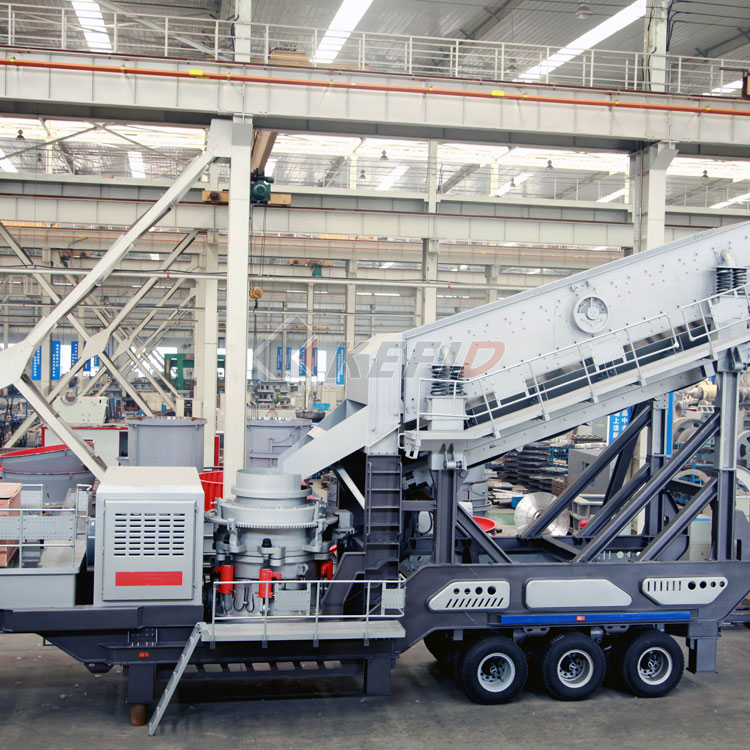
1. Flue Gas Desulfurization (FGD) – Reducing Emissions
One of the most significant uses of limestone in the coal industry is in Flue Gas Desulfurization (FGD) systems, which help control sulfur dioxide (SO₂) emissions from coal-fired power plants.
- How it works: Limestone (calcium carbonate, CaCO₃) is crushed and mixed with water to form a slurry, which is then sprayed into exhaust gases.
- Chemical reaction: The slurry reacts with SO₂ to form calcium sulfite (CaSO₃), which can be further oxidized into gypsum (CaSO₄·2H₂O), a useful byproduct for construction materials.
- Environmental benefit: This process reduces acid rain-causing emissions, helping power plants comply with air quality regulations like the Clean Air Act.
2. Mine Safety – Preventing Coal Dust Explosions
Limestone powder is widely used in coal mines as a rock dusting agent to mitigate explosion risks. .jpg)
- Mechanism: Coal dust is highly flammable, but mixing it with finely ground limestone dilutes combustible particles and suppresses ignition.
- Regulatory requirement: Many mining safety laws mandate that at least 80% of inert material (like limestone dust) must be present in mine airways to prevent explosions.
3. Soil Neutralization – Reclaiming Mining Sites
Coal mining often leads to acidic runoff due to sulfide mineral oxidation (acid mine drainage, AMD). Limestone helps rehabilitate these sites by neutralizing acidity:
- Application: Crushed limestone is spread over disturbed land or added to water treatment systems to raise pH levels.
- Benefit: This reduces toxic metal leaching and restores soil fertility for vegetation regrowth post-mining.
4. Slag Formation & Steel Production Support
While not directly part of coal combustion, limestone assists metallurgical coal usage in steelmaking:
- In blast furnaces, limestone acts as a fluxing agent, removing impurities (like silica) from iron ore by forming slag—a waste product that floats atop molten metal for easy removal.
Conclusion
Limestone’s importance in the