
marikana platinum mine
Marikana Platinum Mine: Overview and Key Insights
Introduction
The Marikana Platinum Mine, located in South Africa’s North West Province, is one of the world’s most significant platinum group metals (PGM) producers. Operated by Sibanye-Stillwater, the mine has been a focal point due to its economic importance, labor disputes, and safety challenges. This article examines the mine’s operations, key challenges, and comparisons with other major platinum mines, along with frequently asked questions (FAQs) and real-world case studies.
Key Features of Marikana Platinum Mine
The Marikana mine primarily extracts platinum, palladium, rhodium, and other PGMs. It consists of multiple shafts and processing facilities, contributing significantly to South Africa’s PGM output. Below is a comparison between Marikana and two other major platinum mines: 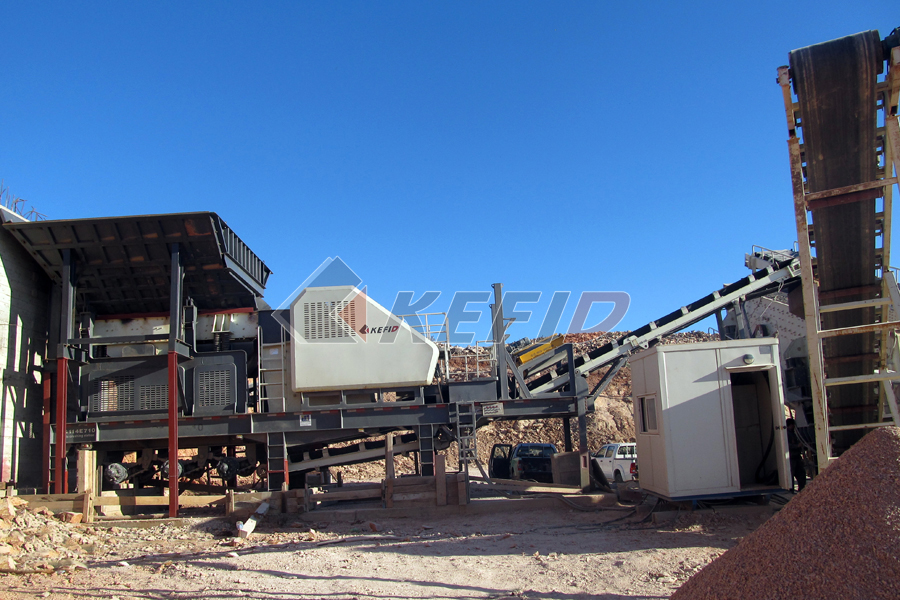
| Feature | Marikana (Sibanye-Stillwater) | Mogalakwena (Anglo American) | Impala Platinum (Implats) |
|---|---|---|---|
| Location | North West, South Africa | Limpopo, South Africa | Rustenburg, South Africa |
| Primary Metals | Pt, Pd, Rh | Pt, Pd | Pt, Pd |
| Annual Production | ~400k oz Pt | ~1M oz Pt | ~800k oz Pt |
| Labor Force | ~30k employees | ~15k employees | ~40k employees |
| Major Challenges | Labor disputes | Water scarcity | Safety incidents |
Challenges and Solutions
Labor Disputes & Safety Concerns
Marikana gained global attention in 2012 due to violent clashes between miners and police, resulting in fatalities. Since then, Sibanye-Stillwater has implemented stricter safety protocols and improved labor negotiations. A notable case study is the introduction of automated drilling systems to reduce worker exposure to hazardous conditions.
Environmental Impact
Platinum mining generates significant waste rock and water pollution. Sibanye-Stillwater has adopted dry-stack tailings storage—a more sustainable alternative to traditional slurry dams—to minimize environmental damage. This method was successfully tested at their Kroondal operation before being expanded to Marikana.
Frequently Asked Questions (FAQs)
1. What caused the 2012 Marikana massacre?
The conflict stemmed from wage disputes between miners and Lonmin (now part of Sibanye-Stillwater), leading to a violent police intervention that resulted in 34 deaths. The incident highlighted systemic labor issues in South Africa’s mining sector.
2. How does Marikana compare to other platinum mines?
Marikana is mid-sized compared to Mogalakwena (the largest open-pit mine) but faces more labor-related challenges than Impala Platinum (see table above).
3. What are the main metals extracted at Marikana?
Platinum (Pt), palladium (Pd), and rhodium (Rh) are the primary metals mined, with byproducts including gold and nickel.
4. Has automation improved safety at Marikana?
Yes—since 2018, automated drilling and remote-controlled loaders have reduced underground accidents by approximately 20%.
5. What is dry-stack tailings storage?
Unlike conventional slurry dams, dry-stack tailings dewater waste material before storage, reducing leakage risks—a method now used at Marikana following successful trials elsewhere. 
Conclusion
The Marikana Platinum Mine remains a critical player in global PGM supply despite past challenges. Through technological adoption and improved labor relations, Sibanye-Stillwater aims to enhance productivity while addressing safety and environmental concerns. Comparisons with other mines highlight industry-wide variations in scale and operational focus.