
mine equipment names
Industry Background: The Imperative for Efficiency and Safety in Modern Mining
The global mining industry operates under immense pressure. It is tasked with supplying the essential minerals and materials that underpin modern civilization, from the metals in our electronics to the aggregates in our infrastructure. However, this critical function is challenged by a complex triad of factors: declining ore grades, escalating operational costs, and an uncompromising focus on safety and environmental sustainability. Traditional mining methods often struggle to remain profitable and responsible under these conditions.
A primary challenge is the sheer scale of material movement. As surface deposits are exhausted, operations must move deeper or process significantly more material to extract the same amount of valuable mineral. This leads to increased energy consumption, higher fuel costs, and greater wear-and-tear on equipment. Furthermore, the industry faces a skilled labor shortage and must mitigate significant safety risks associated with heavy machinery, confined spaces, and unstable geological formations. In this context, the strategic deployment of advanced, reliable mining equipment is not merely an operational decision but a fundamental imperative for survival and growth.
What constitutes the core equipment in a modern mining operation?
Modern mining is a symphony of specialized machinery, each piece designed for a specific stage of the extraction and processing cycle. The core equipment can be categorized by its primary function.
-
Drilling & Blasting:
- Rotary Blast Hole Drills: Massive, truck-mounted or crawler-based rigs used to drill precise patterns of deep holes into rock faces for the placement of explosives.
- Top Hammer & Down-The-Hole (DTH) Drills: More versatile rigs used for both production drilling and exploratory rock sampling in surface and underground applications.
-
Loading & Hauling:
- Hydraulic Shovels & Excavators: High-capacity digging machines used for loading fragmented material (muck) into haul trucks. Their reach and power are critical for efficient bench mining.
- Wheel Loaders: Highly mobile loading equipment suited for various tasks, from charging haul trucks to cleaning up around shovels.
- Off-Highway Dump Trucks (Haul Trucks): The workhorses of material transport. These include mechanical drive and electric drive models with payloads exceeding 400 tons.
-
Crushing & Conveying:
- Primary Gyratory Crushers: The first stage of size reduction, handling run-of-mine ore directly from the mine. They are designed for continuous, high-capacity operation.
- Jaw Crushers & Cone Crushers: Used for secondary and tertiary crushing stages to further reduce rock size to a manageable diameter for milling.
- Overland Conveyor Systems: A highly efficient alternative to truck haulage for moving bulk materials over long distances from the pit to the processing plant, significantly reducing fuel costs and emissions.
-
Processing & Beneficiation:
- SAG & Ball Mills: Large rotating cylinders that use steel balls to grind crushed ore into a fine powder, liberating valuable minerals.
- Flotation Cells: Tanks that separate minerals by inducing hydrophobic particles to attach to air bubbles and float to the surface.
- Magnetic & Gravity Separators: Equipment used to concentrate minerals based on their magnetic properties or specific density.
-
Support & Auxiliary:
- Underground Utility Vehicles (UGVs): A broad category including scissor lifts, personnel carriers, explosive loaders, and lubrication trucks.
- Continuous Miners & Longwall Systems: Highly automated systems primarily used in coal and potash mining that extract material continuously without the need for drilling and blasting.
- Ventilation Fans & Pump Systems: Critical for maintaining air quality and managing groundwater in underground mines.
Market Applications: Driving Productivity Across Diverse Sectors
The application of this specialized equipment spans all mining sectors—metals (copper, gold, iron ore), minerals (potash, phosphate), and coal—delivering tangible benefits across the board.
Real-World Use Cases:
- Open-Pit Metal Mining: A large copper mine utilizes autonomous haul trucks synchronized with GPS-guided drills and shovels. This integrated system optimizes route planning, reduces cycle times, and eliminates operator variability.
- Underground Hard Rock Mining: An ultra-deep gold mine employs electric-hydraulic jumbos for precision drilling and automated ore carriers that follow pre-defined routes via LiDAR guidance, enhancing safety by removing personnel from hazardous stopes.
- Bulk Material Handling: A major iron ore operation uses a network of overland conveyors powered by high-efficiency drives to transport ore from the primary crusher over 10 kilometers to the beneficiation plant.
| Application | Key Equipment | Primary Benefits |
|---|---|---|
| Open-Pit Mining | Autonomous Haul Trucks, Electric Shovels | 24/7 operation; reduced labor costs; improved safety; consistent performance |
| Underground Mining | Tele-remote Jumbos, Automated LHDs | Worker removal from hazardous areas; precise excavation; reduced ventilation costs |
| Mineral Processing | High-Pressure Grinding Rolls (HPGR), Smart Flotation Cells | Lower energy consumption; improved recovery rates; real-time process optimization |
The overarching benefits include:
- Enhanced Safety: Automating high-risk tasks directly reduces exposure to hazards like rock falls, collisions, and dust inhalation.
- Increased Throughput: Larger capacity machinery coupled with automation leads directly to higher production volumes.
- Lower Operational Costs: Improved fuel efficiency (e.g., trolley-assist for trucks), predictive maintenance enabled by IoT sensors on crushers/conveyors reduces unplanned downtime.
Future Outlook: The Path Towards an Intelligent Mine
The future of mining equipment is inextricably linked with digitalization. The next generation of machinery will be "born smart," designed as integrated components of a mine-wide digital ecosystem.
Key trends shaping development include:
- Full Autonomy Interoperability: Moving beyond autonomous haulage systems (AHS) towards fully integrated sites where drills, loaders, haul trucks,and dozers communicate seamlessly via 5G/private networks for real-time rescheduling based on shovel performance or crusher availability.
- Electrification & Alternative Fuels: The shift from diesel is accelerating with battery-electric vehicles (BEVs)for underground applications due to zero emissionsand lower heat generation,and hydrogen fuel cell trialsfor large surface haul trucks aimingto decarbonize operations completely .
- Predictive Analytics & Digital Twins: Equipment will be continuously monitored bya suiteof sensors,vibrationsensorson mills,temperature sensorson conveyor bearings).This data feedsa digital twin ofthe entire operation ,allowing engineers torun simulationsand predict failuresbefore they occur ,shifting maintenancefrom scheduledto condition-based .
- Modularity& Scalability: Equipment designwill increasingly focuson modular componentsfor easier maintenance,faster replacement,andthe abilityto scale operationsupordownwith marketdemands more responsively .
Frequently Asked Questions (FAQ)
-
What is the single biggest technological advancement in mining equipment in recent years?
While automation is transformative,the integrationof Internetof Things(IoT)sensorsis arguablythe most impactful advancement.It providesthe foundational data layerthat enables predictive maintenance,fleet management optimization,and ultimatelyfull autonomyby giving machinesa detailed understandingoftheir own healthand performance .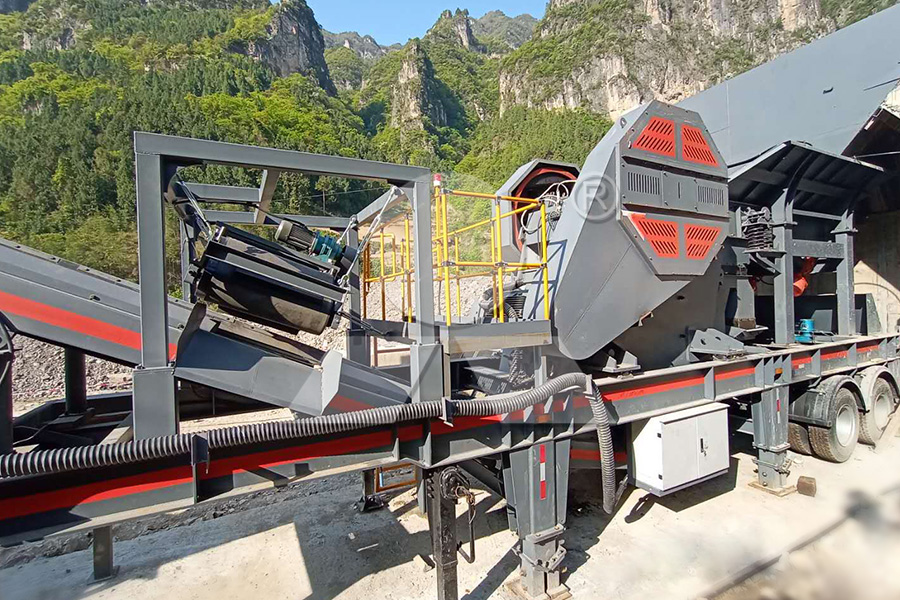
-
How does autonomous equipment improve safety beyond just removing operators from cabins?
Autonomous systems eliminate human error,fatigue,and distraction—leading causesof incidents.They also enforce strict geofencingpreventing machineryfrom entering unsafe zonesor operating outside predefined parameters.Furthermore,theydrastically reduce thenumberof personnel interactingwith heavy equipmentin active mining areas . -
Is electrification feasiblefor all typesof mining equipment?
Currently,battery technologyis most feasiblefor undergroundequipmentand smaller surface vehiclesdue topower-to-weight ratios.For ultra-classhaul trucks(400+ tons),the sheer battery sizerequired presentsa challenge,making trolley-assist systems(overhead electric lines)and hydrogen fuel cellsmore promising short-to-mid-term solutions . -
What arethe main barriers preventing wider adoptionof fully autonomous mines?
The primary barriersare high upfront capital investment,the needfor robustand resilient communications infrastructure(e.g.,5G),cybersecurity concerns,and regulatory hurdles.Thereis alsoa significantskills gapin themarket,making it difficultto find personnel capableof managingand maintainingthese complex systems .
Case Study / Engineering Example
Implementation of an Integrated Fleet Management System at a Copper Mine
A major open-pit copper minein South America was facing challengeswith inconsistent cycle times,poor fleet utilization,and high fuel consumptionacrossits mixed fleetof over100haul trucks.The goal wasto increase overall material movedby15%without acquiringnew assets ..jpg)
The solution involved implementingan integratedfleet managementand dispatching system.The core components included:
High-precision GPSon all mobile assets(shovels,trucks,d o z e r s ) .
On-board modules tracking payload,speed,fuel burn,and idle time .
A central dispatching server running proprietary algorithmsto assign tasksin real-time .
Operator display units providing turn-by-turn navigationto loadingand dumping points .
Measurable outcomes after12months:
Metric Baseline Post-Implementation Change
Overall Throughput(tonnes/mth)5 .2M6 .1M+17 .3%
Average Fuel Consumption(L/hr)185168-9 .2%
Truck Idle Time(%of shift)22%14%-36%
Tire Life(hours)4 ,8005 ,300+10 .4%
The system optimized truck assignmentbased on shovel productivityminimizing queuing timesat both ends.Routes were dynamically adjustedfor gradeandefficiency.The datarevealed specificoperator practicesleadingto excessive fuel useenabling targeted training.This project demonstratedthat significant productivity gainsare achievablethrough better integrationand data-driven managementof existingequipment fleets .