
mini granite crusher
Mini Granite Crusher: A Compact Solution for Demolition and Recycling
A mini granite crusher is a small-scale, mobile crushing machine designed to process granite and other hard stones directly on-site. Unlike large stationary crushers used in quarries, these compact units are engineered for smaller projects, offering portability, reduced operational costs, and efficient material recycling. They are commonly employed in construction, demolition, landscaping, and road building to transform bulky granite waste into valuable aggregates of various sizes. This article explores the applications, key features, and practical considerations of using a mini crusher for granite processing.
Key Applications and Advantages
The primary value of a mini granite crusher lies in its ability to turn waste into a resource at the source. Key applications include:.jpg)
- On-site Construction Waste Recycling: Crushing demolished concrete foundations, sidewalks, or structural elements containing granite aggregate.
- Landscaping and Driveway Creation: Producing decorative gravel, base materials, or paving slabs from leftover granite blocks or debris.
- Small-scale Quarry Operations or Stone Processing: Initial size reduction for artisan stone masons or small quarry owners.
- Infrastructure Repair: Creating aggregate for backfill or road base during utility or road repair projects.
The main advantages over traditional methods (hauling waste to a disposal site and importing new aggregate) are significant cost savings on transport and material purchase, environmental benefits from reduced landfill use and truck emissions, and enhanced project efficiency.
Selecting a Mini Crusher: Jaw vs. Impact
Two main types of crushers are commonly available in mini/mobile formats: Jaw Crushers and Impact Crushers. Their suitability varies based on the granite's characteristics and the desired end product.
| Feature | Mini Jaw Crusher | Mini Impact Crusher |
|---|---|---|
| Crushing Principle | Compressive force between a fixed and a moving jaw. | High-speed impact from hammers/blow bars against the stone. |
| Best For | Harder, denser granite; primary crushing; producing coarse aggregates. | Medium-hard stone; producing more cubical, well-shaped aggregates for landscaping or concrete. |
| Output Shape | More angular and elongated particles. | More uniform cubicle shape. |
| Wear & Maintenance | Robust design; wear parts (jaws) are replaceable but generally have good longevity with abrasive granite. | Higher wear rate on blow bars/hammers when processing very hard materials like some granites; requires more frequent inspection. |
| Typical Capacity Range (Mini Models) | 5 - 50 tonnes per hour (TPH) depending on size and settings. | 10 - 100 TPH depending on size and settings. |
For consistently hard granite, a robust mini jaw crusher is often the preferred primary choice due to its mechanical simplicity and durability against abrasion.
Real-World Application Case Study: Urban Redevelopment Project
A contractor in Bristol, UK, was tasked with redeveloping a former industrial site containing old foundations made of reinforced concrete with high-quality granite aggregate. The challenge was to clear the site sustainably while providing base material for new access roads.
- Solution: The contractor rented a track-mounted mini jaw crusher (e.g., a model similar to the Sandvik QJ241 or Komplet Lem Track 7040) equipped with an electromagnetic separator to remove rebar.
- Process: The old concrete foundations were broken by an excavator-mounted hydraulic hammer into pieces less than 500mm. These pieces were fed into the mini jaw crusher on-site.
- Outcome: The crusher produced approximately 40 TPH of clean, 0-40mm recycled aggregate. This material was directly used as sub-base for the new site roads.
- Result: The project eliminated over 200 truckloads of waste haulage and an equivalent number of imports of virgin aggregate, saving significant costs and reducing the project's carbon footprint substantially.
Frequently Asked Questions (FAQs)
1. Can a mini crusher really handle hard stone like granite?
Yes, but it must be appropriately specified. Mini crushers designed for hard rock (like those with robust jaw plates made from high manganese steel) are fully capable of processing granite. It is crucial to choose a model with adequate power (diesel or electric) and a crushing mechanism rated for abrasive materials.
2.What is the typical output size range from a mini granite crusher?
Output size is adjustable on most models through spacer settings (jaw crushers) or apron gap adjustments (impact crushers). For mini jaw crushers processing granite common output sizes range from dust/0-5mm up to 40-50mm single-size aggregate.
3.Do I need any special permits to operate one on my site?
Regulations vary by location but often you may need permits related to temporary plant operation noise dust control . Always check with your local authority regarding rules for operating mobile machinery especially in urban areas
4.How do I manage the wear costs when crushing abrasive granite?
Wear costs are manageable through proper maintenance Use machines designed for hard rock monitor wear parts regularly according to manufacturer guidelines stock critical spare parts like jaw plates or blow bars on-site for larger projects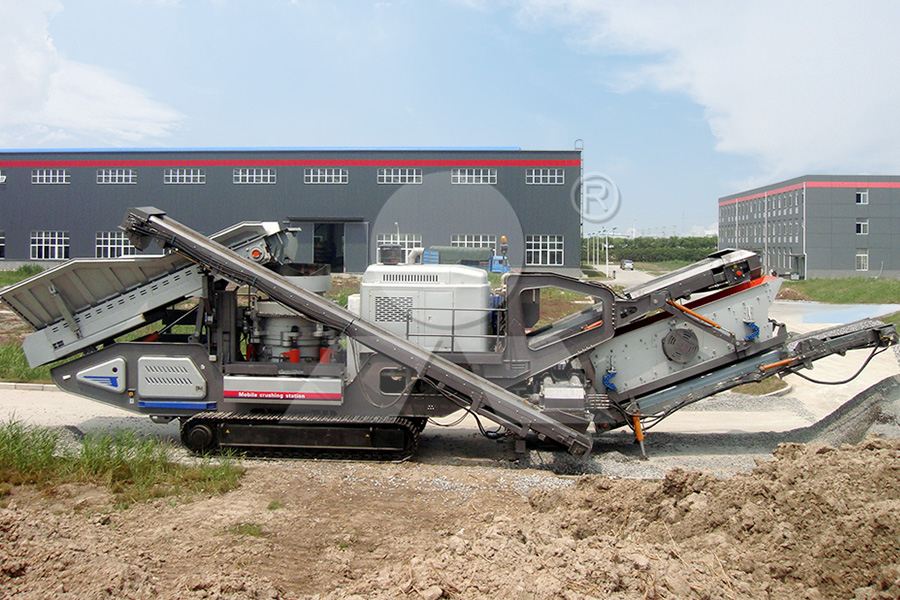
By providing an efficient method for on-site size reduction recycling these compact machines offer practical economic solution transforming challenging waste material into valuable product