
mining machines for lithium
Mining Machines for Lithium: Equipment, Processes, and Practical Selection
Lithium extraction relies on a surprisingly diverse fleet of machines, and the right equipment depends entirely on whether the lithium comes from hard-rock pegmatite, brine evaporation ponds, or clay deposits. Hard-rock mines—such as the Greenbushes operation in Western Australia—use conventional drill-and-blast fleets (top hammer drills, hydraulic excavators, and haul trucks) followed by crushing and dense-media separation, while brine operations in the Salar de Atacama rely more on pumping systems, pond harvesters, and evaporation infrastructure than on digging equipment. This article outlines the main machine categories by deposit type, compares key equipment options, and includes a real-world case (the Pilgangoora spodumene operation) to show how equipment choices play out on site.
Equipment by deposit type
Hard-rock lithium (spodumene pegmatite) is the most machine-intensive route. Typical equipment includes: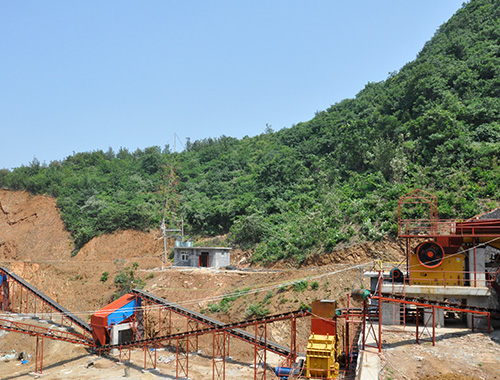
- Drilling: top-hammer or DTH rigs for bench blasting in pegmatite, which is hard (Mohs 6–7) and abrasive.
- Loading and hauling: 90–200 t hydraulic excavators matched to 40–100 t rigid haul trucks; smaller operations often use articulated trucks.
- Comminution: primary jaw or gyratory crushers, followed by cone crushers and High-Pressure Grinding Rolls (HPGR) or ball mills.
- Beneficiation: dense media separation (DMS) drums/cyclones, flotation cells, and magnetic separators to reject iron-bearing minerals.
- Materials handling: stackers, reclaimers, and ship loaders for concentrate (typically 5.5–6.5% Li₂O).
Brine operations (e.g., Salar de Atacama, Chile; Salar de Olaroz, Argentina) use a different fleet: brine extraction wells and pumps, solar evaporation ponds with harvesters and dozers, and a downstream processing plant for lithium carbonate. Clay and mica deposits—still largely pre-commercial—lean on standard open-pit fleets plus fine-grinding and hydrometallurgical circuits.
Comparison of key machine options
| Machine / system | Typical use | Strengths | Limitations |
|---|---|---|---|
| Top-hammer drill rig | Hard-rock bench drilling | Fast in abrasive pegmatite; widely available | Bit wear in quartz-rich rock |
| DTH hammer rig | Hard-rock, larger holes | Straight holes, good in hard rock | Higher air demand, slower in soft zones |
| Hydraulic excavator (90–200 t) | Loading blasted ore | High productivity, matches large trucks | High capital cost; overkill for small pits |
| DMS drum/cyclone | Coarse spodumene preconcentration | Rejects waste early; lowers downstream load | Requires liberation at coarse size; water use |
| Flotation circuit | Fine spodumene recovery | High recovery from fines | Reagent cost and complexity |
| HPGR | Fine crushing before milling | Energy-efficient, reduces media wear | Higher capital cost than conventional crushers |
| Brine extraction pump | Brine field production | Low surface footprint | Dependent on aquifer characteristics |
Real-world case: Pilgangoora (Pilbara, Western Australia)
The Pilgangoora lithium-tantalum operation (Pilbara Minerals) is a useful reference because its flowsheet has been publicly documented. Ore is mined by conventional open-pit drill-and-blast, crushed, and concentrated using DMS and flotation to produce spodumene concentrate. The operation has expanded in stages—the P680 and P1000 projects—adding crushing and ore-sorting capacity to raise throughput. Notably, the company has reported using ore sorting to preconcentrate feed, reducing the volume sent through the energy-intensive grinding and flotation circuit. This illustrates a broader trend: for hard-rock lithium, the biggest machine-level gains often come not from bigger trucks but from preconcentration (DMS, ore sorting) that removes waste before milling.
Frequently asked questions
1. What machines are used to mine lithium from hard rock?
Standard open-pit equipment: drill rigs, hydraulic excavators, haul trucks, and loaders, followed by crushers, DMS or flotation circuits, and dewatering equipment for concentrate.
2. Do brine operations use mining machines?
Not in the digging sense. They use well-field pumps, piping, and pond maintenance equipment (harvesters, dozers), plus a chemical plant for lithium carbonate production.
3. Why is DMS used in spodumene plants?
Spodumene is relatively coarse-grained and dense, so DMS can reject waste gangue early, cutting the load on grinding and flotation and lowering energy costs per tonne of concentrate.
4. Is ore sorting actually used in lithium mining?
Yes. Several hard-rock producers, including Pilbara Minerals, have reported ore-sorting trials and installations to upgrade feed before milling, though results depend on mineralogy and liberation size..jpg)
5. What is the main equipment bottleneck in lithium plants?
Grinding and flotation circuits are typically the highest energy and reagent consumers, which is why preconcentration (DMS, ore sorting) is a common debottlenecking strategy.
A note on sourcing: equipment specifications and flowsheet details above reflect publicly reported practice at operations such as Greenbushes and Pilgangoora; exact machine models and capacities vary by site and should be confirmed against current technical reports before use in planning.