
nickel ore processing
Nickel Ore Processing: An Overview
Nickel ore processing is a complex metallurgical operation essential for producing the nickel required for stainless steel, batteries, and various alloys. The specific techniques employed are primarily determined by the mineralogy of the ore, namely whether it is sulfide or laterite (oxide). While sulfide ores are processed through conventional crushing, grinding, and flotation followed by pyrometallurgical methods, laterite ores require more energy-intensive hydrometallurgical or pyrometallurgical routes due to their lower grade and complex mineral structure. This article outlines the key processes for both ore types, presents comparative analyses, addresses common questions, and examines real-world operational cases.
1. Processing of Sulfide Ores
Sulfide ores (e.g., pentlandite) are typically higher grade and amenable to physical concentration. The standard flow involves: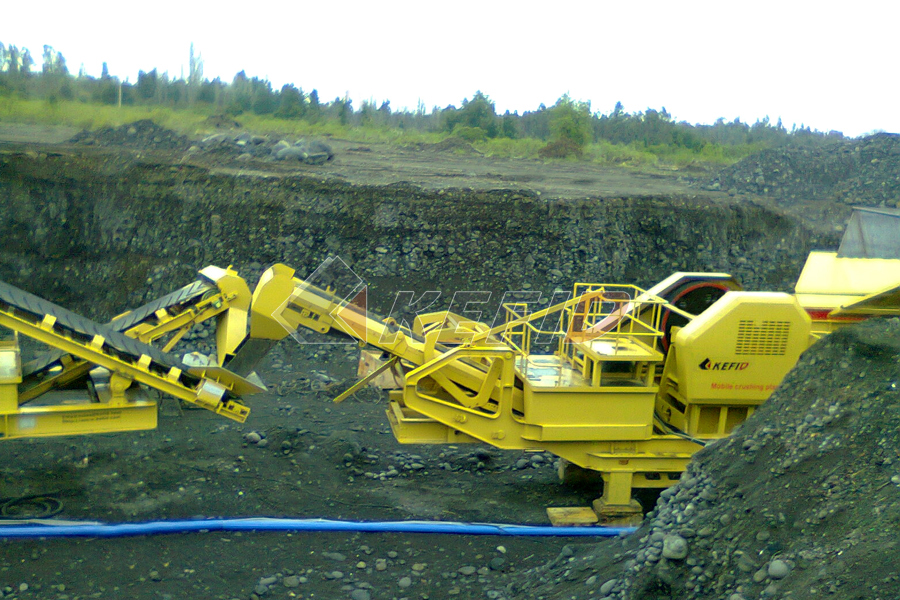
- Comminution: Crushing and grinding to liberate nickel-bearing minerals.
- Concentration: Froth flotation separates nickel sulfides from gangue, producing a nickel concentrate (10-20% Ni).
- Smelting: The concentrate is smelted in a flash or electric furnace to produce a matte (a mixture of nickel and copper sulfides).
- Refining: The matte is further refined via converting (similar to copper), followed by electrolytic refining or carbonyl processes (Mond process) to produce high-purity nickel metal.
2. Processing of Laterite Ores
Laterite ores are near-surface deposits formed by weathering. They cannot be upgraded by physical means and are processed via two main paths:.jpg)
- Pyrometallurgical Route (Ferronickel): The ore is dried and calcined, then smelted in an electric arc furnace at high temperatures (~1600°C) to produce ferronickel (20-40% Ni), used directly in steelmaking.
- Hydrometallurgical Route (High-Pressure Acid Leach - HPAL): The ore is leached with sulfuric acid under high pressure and temperature (~250°C). Nickel and cobalt are dissolved, then recovered from solution through precipitation or solvent extraction/electrowinning (SX-EW) to produce nickel/cobalt mixed sulfides or hydroxides.
Comparative Analysis: Sulfide vs. Laterite Processing
| Feature | Sulfide Ore Processing | Laterite Ore Processing (HPAL Example) |
|---|---|---|
| Feed Grade | Relatively high (1-3% Ni) | Low (1-2% Ni) |
| Key Process | Flotation concentration, smelting | Direct acid leaching under pressure |
| Energy Intensity | Moderate | Very High |
| Capital Cost | Lower | Significantly Higher |
| Environmental Focus | SO₂ capture from smelting | Tailings management, neutralization |
| Main Product | Refined Ni metal, Ni sulfate | Mixed hydroxide product (Ni+Co), refined metal |
The choice between these routes is fundamentally economic, driven by ore type, scale, energy costs, and environmental regulations.
Real-World Case Study: The Goro Nickel Operation
A prominent example of laterite processing is the Goro Nickel operation in New Caledonia, operated by Prony Resources New Caledonia. It is one of the world's largest hydrometallurgical plants using the HPAL technology.
- Challenge: Process low-grade limonitic laterite ore.
- Solution: The Goro plant employs HPAL where ore is slurried and leached with sulfuric acid in autoclaves. Nickel and cobalt are dissolved.
- Recovery: The solution undergoes multiple stages of purification using precipitation and SX-EW technology.
- Product: It produces nickel oxide as a final product for the battery market.
The project has faced significant technical challenges related to corrosion control and tailings management since its inception but represents a critical application of HPAL technology for a major laterite deposit.
Frequently Asked Questions (FAQ)
Q1: Why is laterite processing generally more expensive than sulfide processing?
Laterites require handling vast volumes of low-grade material that cannot be physically upgraded. The HPAL process demands expensive corrosion-resistant materials (e.g., titanium-lined autoclaves), high energy input for heating and pressure, and complex chemical recovery circuits with high reagent consumption.
Q2: What role does cobalt play in nickel ore processing?
Cobalt is a valuable co-product found in both ore types but is particularly significant in laterites. In HPAL operations like Goro or the Moa Bay joint venture in Cuba, cobalt recovery is integral to project economics. Both metals are co-leached and recovered through similar SX-EW or precipitation steps.
Q3: What are "nickel pig iron" (NPI) and where does it fit in?
Nickel Pig Iron is a low-grade ferronickel product made primarily from lateritic ores using modified blast furnace or rotary kiln-electric furnace (RKEF) technology predominantly in China. It represents a lower-cost pyrometallurgical alternative to conventional ferronickel production for feeding stainless steel mills.
Q4: How important is sulfuric acid for nickel production?
Sulfuric acid is crucial as both a reagent and a by-product. It's the primary leaching agent in HPAL operations—often constituting over 25% of operating costs—requiring an on-site acid plant or secure supply chain. Conversely, smelting sulfide concentrates produces large quantities of SO₂ gas which must be captured to make sulfuric acid as an environmental imperative.
In conclusion, nickel extraction remains a two-path industry defined by geology. While sulfide processing follows well-established mineral dressing principles, laterite processing pushes the boundaries of high-temperature chemistry under pressure. Technological advancements continue to focus on reducing the energy footprint of laterites while improving recovery rates across all operations