
pulverizer blower type machine
Pulverizer Blower Type Machine: An Overview
A pulverizer blower type machine is an integrated size reduction and pneumatic conveying system designed for dry, free-flowing materials. It combines a high-speed impact pulverizing mechanism with a built-in centrifugal blower within a single housing. The primary function is to grind materials to a fine powder and simultaneously transport the finished product through pipelines to a designated collection point, such as a cyclone separator or storage silo. This design eliminates the need for a separate external fan or conveyor, making it a compact and efficient solution for continuous grinding and transfer operations in industries like food processing, chemicals, pharmaceuticals, and minerals.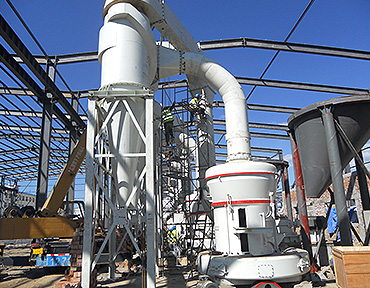
Key Components and Working Principle
The machine operates on a straightforward yet effective principle:
- Feeding: Raw material is fed into the grinding chamber via a screw feeder or vibratory feeder.
- Pulverization: A high-speed rotor fitted with beaters or hammers rotates within a lined chamber. The material is shattered by impact against the beaters and the liner.
- Classification: A whizzer classifier (often adjustable) at the discharge end allows only particles of the desired fineness to pass through. Coarser particles are thrown back into the grinding zone for further reduction.
- Pneumatic Conveying: The integrated blower, typically mounted on the same shaft as the grinding rotor, generates an air stream. This air stream picks up the finely ground material from the classification zone and conveys it through the outlet pipe to the collection system.
Advantages and Limitations: A Comparative View
| Feature | Advantage | Limitation / Consideration |
|---|---|---|
| System Design | Compact, space-saving as pulverizer and blower are unified; reduced footprint. | Maintenance on the blower section may require accessing the main grinding chamber. |
| Energy Efficiency | Generally efficient for combined grinding and conveying over short to medium distances. | For very long conveying distances or high static pressure needs, an additional booster blower might be required. |
| Operation | Simplified material handling; enables fully closed-loop systems, reducing dust emission and contamination risk. | The system's performance (fineness & throughput) is sensitive to feed rate consistency; overfeeding can choke the blower. |
| Material Suitability | Excellent for dry, non-sticky, low-fat materials (e.g., grains, sugars, spices, certain resins). | Not suitable for sticky, greasy, heat-sensitive, or highly abrasive materials which can cause buildup or excessive wear in the blower section. |
| Capital Cost | Lower initial cost compared to installing two separate units (pulverizer + independent pneumatic conveyor). | Wear parts (beaters, liner) and blower impeller maintenance are recurring costs dependent on material abrasiveness. |
Real-World Application Case Study: Spice Processing Plant
A mid-sized spice processing company in Gujarat, India, needed to upgrade its chilli grinding line. The old setup involved a separate hammer mill and a mechanical screw conveyor leading to a sifter, creating significant dust leakage and cross-contamination risk.
Solution: Installation of a pulverizer blower type machine with an integrated water-cooling jacket on the grinding chamber (to manage heat from high-capacity runs)..jpg)
Implementation:
- Whole dried chillies were pre-crushed in a coarse crusher.
- The pre-crushed chillies were fed via rotary valve into the pulverizer-blower.
- The machine ground them to a predefined fineness (70-80 mesh).
- The built-in blower conveyed the fine chilli powder through stainless steel ducts directly to a cyclone separator mounted above a mixing bin.
- The negative pressure system contained all dust within closed circuits.
Result:
- Increased Yield: Reduced product loss from dust leakage by an estimated 2-3%.
- Improved Hygiene: A fully enclosed system met food safety standards (like FSSAI) more easily.
- Reduced Labor & Time: Continuous in-line processing eliminated manual transfer between grinding and collection points.
- Consistent Quality: Adjustable classifier ensured uniform particle size batch after batch.
This case illustrates how this machine type solves specific problems of transfer loss, contamination control, and layout efficiency.
Frequently Asked Questions (FAQ)
Q1: Can a pulverizer blower type machine handle heat-sensitive materials?
While not ideal for extremely sensitive products due to heat generated from impact grinding and air compression in the blower, many models can be equipped with cooling solutions. These include water-jacketed grinding chambers or introducing cooled/conditioned air into the system. For highly thermolabile materials like some pharmaceuticals or food additives alternative technologies like cryogenic milling should be considered.
Q2: How is particle size controlled in this machine?
Particle size is primarily controlled by two factors: 1) The speed of the rotor (higher speed often leads to finer grind), and 2) The adjustable whizzer classifier at the outlet. By changing classifier blade angle or rotation speed (in independent drive models), one can control what particle size escapes into conveying air stream; coarser particles are rejected back into milling zone until they meet specification.
Q3: What are common wear parts that require regular maintenance?
The main wear components include:
- Beaters/Hammers on Rotor
- Grinding Chamber Liner/Screen
- Blower Fan Impeller
Replacement frequency depends entirely on material abrasiveness; e.g., milling sugar vs silica will have vastly different wear rates.
Q4: Is this machine suitable for creating superfine powders below 10 microns?
Typically not as standalone unit without modifications Standard pulverizer-blower machines using impact classification are generally effective range between ~50 mesh (~300 microns) down ~200 mesh (~75 microns). Achieving consistent sub-10 micron sizes usually requires specialized fine/air classifying mills which incorporate dynamic air classifiers capable sharper cuts at finer points but operate similar pneumatic conveyance principle albeit more sophisticated design higher cost basis
In summary pulverizer blower type machines offer robust practical solution where continuous medium-fine grinding coupled short-distance pneumatic conveying required Their selection hinges understanding material properties plant layout constraints hygiene requirements balancing initial investment against operational simplicity reliability