
sand screening machin
Sand Screening Machines: An Overview
A sand screening machine is a mechanical device designed to separate sand particles by size, removing oversized debris and contaminants to produce uniformly graded sand. It is a critical piece of equipment in industries such as construction, mining, quarrying, and landscaping. The core function involves feeding raw, unprocessed sand onto a vibrating screen surface with specific mesh apertures. Fine particles pass through, while larger aggregates are discharged separately. This process ensures the final product meets precise specifications for applications like concrete production, mortar mixing, or creating level bedding layers. Modern machines vary significantly in design, capacity, and efficiency, making the choice of the right type crucial for operational success.
Types and Comparative Analysis
The primary types of sand screening machines include vibrating screens (linear and circular motion), trommel screens (rotating drums), and static grizzlies. Each type serves different project scales and material conditions.
| Feature | Vibrating Screen (Linear) | Trommel Screen | Static Grizzly |
|---|---|---|---|
| Working Principle | High-frequency linear vibration | Rotating cylindrical drum with mesh panels | Stationary inclined bars or rails |
| Best For | High-volume, dry to semi-moist sand; precise grading. | High-moisture content, sticky materials; waste removal. | Primary screening; removing very large rocks before finer processing. |
| Capacity | High throughput per unit area. | Moderate to high, depends on drum size. | Low to moderate; primarily for scalping. |
| Portability | Often stationary or semi-mobile; track-mounted options exist. | Highly portable skid or trailer-mounted units common. | Simple fixed installation or attached to hoppers/feeders. |
| Maintenance | Regular check of vibration motors and screen cloth tension. | Bearing and drum structure maintenance required. | Minimal; occasional bar replacement if worn/abraded. |
Vibrating screens are the most common for dedicated sand production due to their efficiency and grading accuracy.
Real-World Application Case Study: Quarry Operation in Texas
A large aggregate quarry in Texas was facing inefficiencies in its washed concrete sand production line. The existing setup used an older model single-deck screen that struggled with consistent grading and frequently blinded (clogged) due to residual moisture.
The solution involved installing a custom-designed high-frequency linear vibrating screen with a dual-deck configuration. The top deck utilized a polyurethane screen panel with 3/8" apertures to scalp off any remaining small gravel. The bottom deck employed fine stainless-steel wire mesh (#30 mesh) for the final precise separation of sand fractions.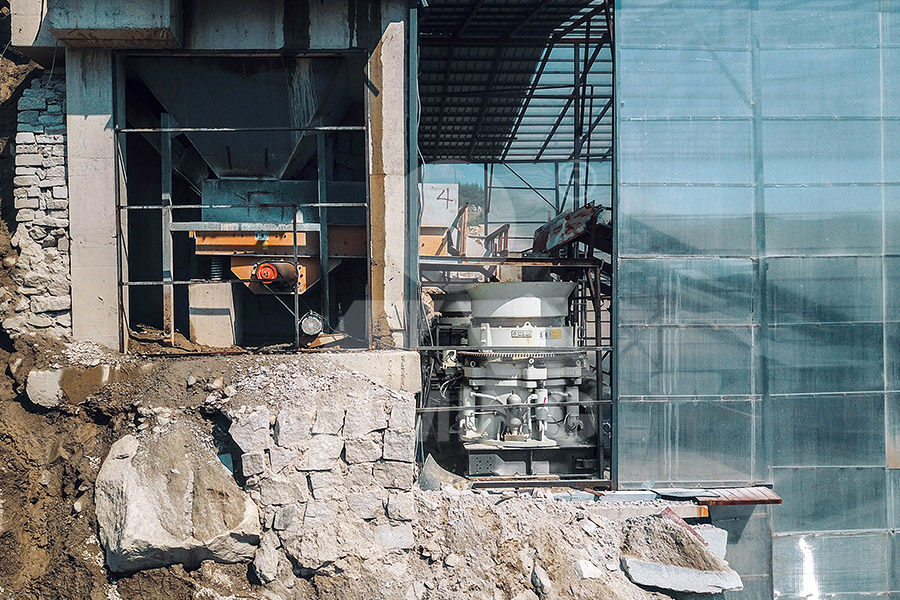
The results were documented:
- Output Quality: Sand product consistency met ASTM C33 specifications for concrete sand with over 99% reliability.
- Efficiency: Screening capacity increased by approximately 35% due to reduced blinding and optimized material travel.
- Downtime: Screen panel change-out time decreased by 50% due to the use of modular tensioned panels.
This upgrade directly translated into higher-quality product batches, fewer rejections from ready-mix concrete plants, and a strong return on investment within 14 months.
Frequently Asked Questions (FAQ)
-
What is the main cause of screen "blinding," and how can it be prevented?
Screen blinding occurs when particles lodge in the screen apertures, blocking them. It is often caused by high moisture content, clay presence, or near-size particles sticking together.
Prevention methods include: Using screens with anti-blinding technology (e.g., rubber-ball cleaning systems under the deck), selecting appropriate screen media (polyurethane panels resist adhesion better than steel wire in some cases), adjusting the vibration dynamics (increasing amplitude can help dislodge sticky material), or pre-drying the feed if feasible. -
How do I select the correct mesh size for my screen panel?
The mesh size is determined by your desired final product specification.- Identify the maximum allowable particle size in your finished sand.
- Refer to standard sieve sizes (e.g., #4 mesh = 4.75mm openings). The mesh aperture should be slightly smaller than your target max particle size.
- For multiple product grades (e.g., coarse mason sand & fine plaster sand), a multi-deck screen with different meshes on each deck is used.
-
What are the key safety precautions when operating a vibrating sand screen?
Key safety measures are well-established in industry guidelines:- Ensure all safety guards covering moving parts (vibration motors, drive belts) are securely in place before operation.
- Implement a Lockout-Tagout (LOTO) procedure during all maintenance and screen cloth changes.
- Wear appropriate Personal Protective Equipment (PPE): hearing protection due to high noise levels, dust masks/respirators in enclosed areas, and safety glasses.
- Never walk on or touch the vibrating deck while the machine is energized or running.
-
Can one machine handle both crushing and screening of sand?
While integrated "crushing & screening plants" exist as systems, a single machine unit typically performs one primary function effectively.
A crusher reduces rock size; a screener then separates the crushed material into graded fractions like sand.
However,
some mobile trommel screens incorporate basic crushing elements like internal breaker bars for softer materials,
but for hard rock aggregates,
dedicated jaw/cone crushers feeding into separate vibrating screens remain
industry standard practice
..jpg)
5.Is it necessary to wash sand during the screening process?
Screening
and washing
are distinct but often complementary processes.Screening separates by size;
washing removes silt,
salt,
and organic impurities.If your raw feed material contains significant fines below #200 mesh that must be removed per specification,
or if it contains clay lumps,
a washing system incorporating water sprays,
a rinsing screen,
and possibly a screw classifier or hydrocyclone will be required downstream from
the primary screening stage.Many plants use
a "wash screen"
where water nozzles spray directly onto
the screening surface