
second hand complete plant for gold mining
Second Hand Complete Plant for Gold Mining: A Practical Guide to Costs, Risks, and Real-World Results
A second hand complete plant for gold mining is an increasingly common route for junior miners and artisanal-to-small-scale operators who need processing capacity but cannot justify the lead time or capital cost of new equipment. A complete plant typically includes crushing and grinding circuits, gravity concentration (knelson or shaking tables), cyanidation or CIL/CIP tanks, elution and electrowinning, and tailings handling. Buying this as a used package can cut capital expenditure by 40–60% versus new, and delivery can be measured in weeks rather than 12–18 months. The trade-offs are real, though: wear, outdated control systems, missing spares, and regulatory compliance for cyanide circuits all need to be priced in before signing.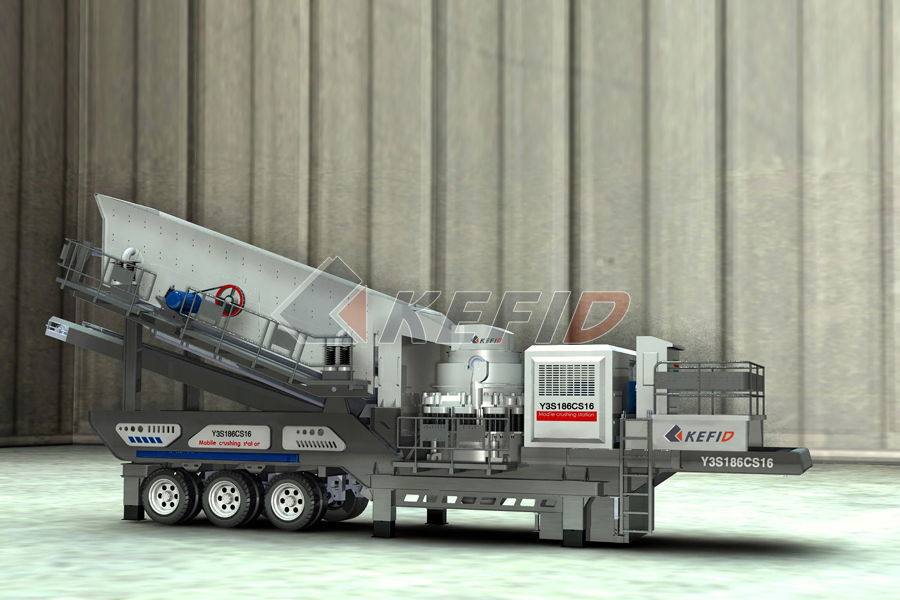
What "complete" actually means, and where used plants come from
Most second hand complete plants originate from three sources: decommissioned mines in Australia, Canada, and South Africa; plant fabricators reselling trade-ins; and auction houses handling insolvencies. A genuinely complete package should include the comminution circuit, the leach/CIL tanks with agitators and blowers, the elution column and electrowinning cell, the reagent mixing and dosing system, and the tailings thickener. Pumps, piping, and the MCC (motor control centre) are frequently stripped out and sold separately, so verify the bill of materials line by line.
New vs. second hand: an honest comparison
| Factor | New complete plant | Second hand complete plant |
|---|---|---|
| Capital cost (typical 50–100 tpd CIL) | USD 1.5–3.0 million | USD 0.6–1.2 million |
| Lead time | 12–18 months | 4–12 weeks (plus refurbishment) |
| Design and control systems | Current standards, full documentation | Often 10–20 years old; PLCs may be obsolete |
| Spare parts availability | Guaranteed by OEM | Depends on OEM support for legacy models |
| Wear and remaining life | Full | Variable; liners, agitators, and pumps usually need replacement |
| Compliance (cyanide code, emissions) | Meets current regulation | May require upgrades to meet current regulation |
| Warranty | 12–24 months | Usually "as inspected," 3–6 months at best |
The cost gap is real but narrows once refurbishment is included. Budget 15–25% of the purchase price for refurbishment on a plant older than ten years, and more if the CIL tanks need relining or the elution circuit needs a new heater.
Real case: 60 tpd CIL plant relocated from Ghana to Tanzania
A 60 tpd CIL plant was decommissioned in the Ashanti region of Ghana in 2019 and purchased by a Tanzanian operator in 2021 for approximately USD 480,000. The package included a jaw crusher, ball mill, six leach tanks, a 1.5-tonne elution column, and an electrowinning cell. Refurbishment took fourteen weeks and cost roughly USD 95,000: new mill liners, replacement of three agitator gearboxes, a rebuilt elution heater, and a full electrical rewire to meet Tanzanian standards. Commissioning was completed in early 2022, and the plant reached 92% of design throughput within three months. The operator reported recovery of 88–91% on oxide ore, comparable to the plant's original performance in Ghana. The main lesson: the electrical and instrumentation package, not the mechanical equipment, was the biggest source of delay.
Case: gravity-only plant in Zimbabwe
A smaller operator near Kwekwe purchased a used 20 tpd gravity plant (jaw crusher, hammer mill, two shaking tables, and a centrifuge concentrator) from a decommissioned site in South Africa for USD 65,000. No refurbishment was needed beyond new belts and table decks. The plant was running within five weeks of delivery. Recovery on free-milling quartz ore averaged 78–82%, with concentrate sold to a local elution facility. This is the segment where second hand makes the most sense: gravity circuits are mechanically simple, have few compliance issues, and are easy to inspect before purchase.
What to check before you buy
Insist on a physical inspection with the plant running, or at minimum a video walkthrough with the motors energised. Check mill trunnion and gear wear, tank shell thickness (ultrasonic testing is cheap insurance), agitator shaft runout, and the condition of the elution column's internal screens. Request the original P&ID and electrical drawings; a plant without documentation is a plant you will rebuild from scratch. Confirm cyanide circuit compliance with the International Cyanide Management Code if you intend to export concentrate or seek financing. Finally, price the logistics: moving a complete CIL plant across a border can cost 10–20% of the purchase price in freight, customs, and crane hire.
FAQ
1. Is a second hand complete plant for gold mining legal to operate?
Yes, provided it meets the permitting and environmental requirements of the host country. The equipment itself carries no legal restriction; the obligation is on you to upgrade emission controls, cyanide containment, and tailings management to current standards. Budget for an environmental audit before commissioning.
2. How much should I budget for refurbishment?
As a rule of thumb, 15–25% of the purchase price for plants under ten years old, and 25–40% for older plants. The largest cost items are mill liners, agitator gearboxes, pumps, and electrical upgrades..jpg)
3. Can I buy only part of a plant?
Yes, and many sellers prefer it. Modular purchases (for example, the comminution circuit only, or the leach and elution section only) are common and often easier to integrate with existing infrastructure. Verify that the modules you buy are matched in throughput.
4. What is the biggest risk with used gold plants?
Obsolete control and electrical systems. Mechanical wear is visible and repairable; a 20-year-old PLC with no available spares can stall commissioning for months. Inspect the MCC and instrumentation package first.
5. Where are second hand gold plants usually sold?
Australia, Canada, South Africa, and Ghana are the most common sources, followed by auction houses handling mine closures in Latin America. Online marketplaces and plant fabricators' trade-in divisions are the main channels.