
used mining plant equipment for sale
Used Mining Plant Equipment for Sale: A Practical Guide for Buyers
Used mining plant equipment for sale covers a broad category of machinery—crushing and screening circuits, grinding mills, conveyors, gravity and flotation concentrators, thickeners, pumps, and support infrastructure—offered by dealers, auction houses, and operators decommissioning sites. Buying second-hand rather than new typically reduces capital outlay by 30–60%, but the real savings depend on condition, documentation, wear-part history, and whether the unit can be matched to your ore type and throughput target. This guide outlines what to inspect, how new and used options compare, and how a structured due-diligence process keeps projects on schedule.
New vs. used: what actually differs
| Factor | New equipment | Used equipment |
|---|---|---|
| Lead time | 6–18 months depending on OEM backlog | Often 4–12 weeks; site-specific |
| Capital cost | Full OEM price | Commonly 40–70% of new, varying by age and condition |
| Warranty | OEM warranty, typically 12–24 months | Usually limited or dealer-provided; as-is sales are common |
| Spare parts | Current part numbers, full support | May be obsolete; verify parts availability before purchase |
| Documentation | Full manuals, CE/ISO certification | Often incomplete; request nameplate data and service records |
| Process fit | Specified to your flowsheet | Requires review against your ore and throughput |
What to verify before you commit
- Nameplate and serial data. Confirm model, year, and rated capacity against OEM records where possible.
- Mechanical inspection. Check crusher liners, mill trunnions and girth gear, screen box cracks, conveyor pulley condition, and gearbox oil analysis.
- Electricals. Motors, switchgear, and control systems are frequent failure points on decommissioned plants; request insulation resistance and thermography reports.
- Compliance and permitting. In many jurisdictions, relocating a plant triggers environmental and safety approvals. Confirm requirements with local regulators early.
- Site visit or third-party inspection. Independent inspectors (e.g., qualified mechanical engineers or inspection firms) can document condition objectively.
Case example: reconfiguring a used crushing circuit
A mid-sized aggregates producer in Queensland, Australia, purchased a used 250 tph jaw-and-cone crushing train from a decommissioned quarry. The inspection found worn mantle and bowl liners but sound structural steel and functional conveyors. After replacing liners, installing new guards to meet local safety standards, and upgrading the control panel, the plant was recommissioned within 14 weeks at roughly 55% of the quoted new-equipment cost. The key to the outcome was a pre-purchase inspection report and a confirmed spare-parts pathway through the OEM's legacy parts program.
FAQ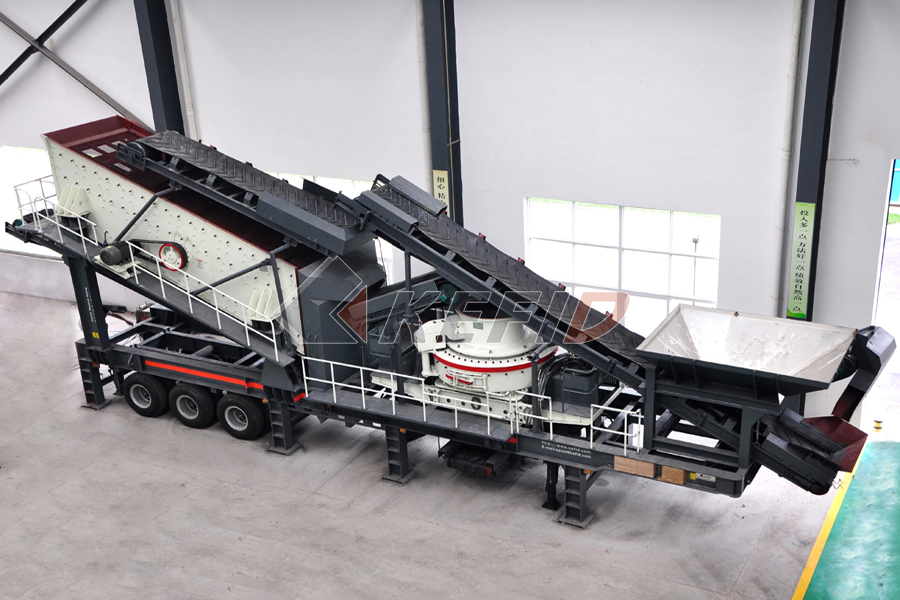
1. How much can I expect to save on used mining plant equipment?
Savings vary widely—commonly 30–60% versus new—but depend on age, condition, brand support, and market demand. Factor in refurbishment, transport, and installation costs before comparing totals.
2. Is used equipment suitable for continuous, high-tonnage operations?
It can be, provided the unit is correctly sized, inspected, and supported by a spare-parts strategy. High-availability operations should prioritize brands with strong legacy parts networks and budget for a critical spares holding..jpg)
3. What documentation should a seller provide?
Request nameplate data, serial numbers, service and maintenance records, oil analysis history, electrical test reports, and any OEM inspection certificates. Missing records should prompt a deeper independent inspection.
4. Can I inspect equipment before purchase if it's overseas?
Yes. Third-party inspection firms routinely perform pre-purchase inspections internationally, including dimensional checks, non-destructive testing, and photographic documentation. Budget for this—it is inexpensive relative to the risk.
5. What are the main risks of buying used plant equipment?
Hidden mechanical wear, obsolete parts, incomplete documentation, and regulatory compliance gaps when relocating across jurisdictions. A structured inspection and a written condition report mitigate most of these risks.