
what oil to use in a crusher machine
What Oil to Use in a Crusher Machine
Selecting the correct oil for a crusher machine is critical for ensuring optimal performance, minimizing wear, extending component life, and reducing maintenance costs. The right lubricant protects vital components like bearings, gears, and hydraulic systems under extreme conditions of pressure, contamination, and temperature fluctuations. This article provides a practical guide to oil selection based on crusher type, operating environment, and manufacturer specifications.
Key Factors in Oil Selection
The choice depends primarily on the crusher's mechanism and the component being lubricated.
-
Crusher Type:
- Jaw Crushers & Gyratory Crushers: These machines experience high shock loads and heavy pressures. They typically require robust extreme pressure (EP) industrial gear oils with high viscosity for the gearbox and bearings.
- Cone Crushers: The eccentric assembly and bushings demand oils with excellent anti-wear (AW) and EP properties. Many modern cone crushers use synthetic or semi-synthetic specialty lubricants formulated specifically for their precise tolerances.
- Impact Crushers (Horizontal Shaft Impactors/HSI, Vertical Shaft Impactors/VSI): Bearings are key lubrication points. A high-quality grease or oil with strong resistance to water washout and contamination is essential due to high dust levels.
-
Base Oil Type & Additives:
- Mineral Oils: Cost-effective for standard applications with moderate operating temperatures.
- Synthetic & Semi-Synthetic Oils: Offer superior performance in extreme temperatures (both high and low), provide better oxidation stability for longer oil life, and enhance energy efficiency. They are increasingly recommended for harsh crushing environments.
- Essential Additives: Look for oils containing:
- Anti-Wear (AW) Agents: Protect metal surfaces under boundary lubrication.
- Extreme Pressure (EP) Additives: Prevent welding and scoring under heavy loads.
- Antioxidants: Extend oil life by resisting sludge formation.
- Rust & Corrosion Inhibitors: Protect components from moisture.
- Demulsifiers: Help oil separate quickly from water.
-
Viscosity Grade (ISO VG): This is the most important property. Using an incorrect viscosity is a leading cause of failure. The required grade is determined by:
- Manufacturer's specification (always the primary guide).
- Operating temperature range (ambient and machine-generated heat).
- Load and speed conditions.
The following table contrasts common lubricant types used across different crusher systems:
| Component / System | Recommended Oil Type | Key Properties & Notes |
|---|---|---|
| Gearbox / Reduction Gears | Extreme Pressure (EP) Gear Oil | High viscosity index; excellent load-carrying capacity; often ISO VG 150-320 depending on size/speed. |
| Bearings (Oil Lubricated) | Anti-Wear Hydraulic Oil or R&O Turbine Oil | Good thermal stability; anti-rust properties; proper viscosity for film strength. |
| Hydraulic System | Anti-Wear Hydraulic Fluid (HLP or HVLP) | High detergency; anti-foam; stable viscosity across a wide temperature range (HVLP). |
| General Enclosed Gearing | Synthetic PAO-based Gear Oil | For extreme cold or heat; extends drain intervals; improves efficiency. |
Real-World Application Case Study: Quarry Operation
A granite quarry in Pennsylvania was experiencing premature failures of the main shaft bearings in its cone crushers every 8-10 months, causing significant downtime. The operation was using a standard mineral-based gear oil (ISO VG 220).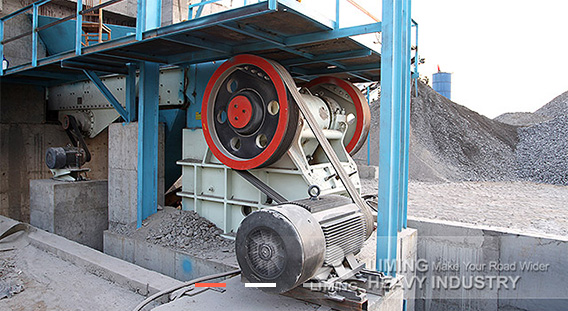
- Problem Analysis: Oil analysis reports showed rapid viscosity breakdown and increased iron content, indicating severe wear. Operating temperatures consistently exceeded 95°C (203°F), exceeding the thermal limits of the mineral oil.
- Solution Implemented: Upon consultation with a lubrication specialist and the OEM, they switched to a dedicated synthetic cone crusher lubricant with an ISO VG 220 equivalent but a much higher viscosity index.
- Result: Bearing operating temperatures dropped by approximately 15°C (27°F). Oil analysis intervals were extended, showing stable viscosity and reduced wear metals. Bearing life increased to over 24 months, justifying the higher per-liter cost of the synthetic oil through dramatically reduced downtime and part replacement costs.
Frequently Asked Questions (FAQ)
Q1: Can I use the same oil in my crusher's gearbox and hydraulic system?
No, this is not recommended unless explicitly stated by the equipment manufacturer. Gear oils and hydraulic fluids are formulated with different additive packages for distinct purposes. Gear oils contain high levels of EP additives which can be corrosive to hydraulic system components like pumps and valves. Using the wrong fluid can lead to accelerated wear or system failure..jpg)
Q2: How often should I change the oil in my crusher?
There is no universal interval. The correct change interval depends on the machine hours, severity of service, environmental conditions (dust, moisture), and the oil type itself (synthetics last longer). The only reliable method is through regular used-oil analysis program which measures wear metals, contamination, and additive depletion to determine optimal drain periods.
Q3: What is more important: choosing a premium oil or sticking strictly to change intervals?
Both are critical but starting with the correct premium oil specified for your application provides a stronger foundation. A high-quality synthetic oil may have a higher initial cost but will protect better between changes and often allow for extended drain intervals if validated by oil analysis—leading to lower total cost of ownership.
Q4: My manual specifies an ISO VG 320 oil. Can I use a VG 220 or VG 460 instead if it's unavailable?
Substituting viscosity should be avoided unless under expert guidance from your lube supplier or OEM manufacturer machinery representative . A lower viscosity may not form an adequate lubricating film under load leading directly towards metal-to-metal contact resulting into premature failure whereas too-high viscosities can cause increased energy consumption overheating due largely toward fluid friction plus potential starvation issues at startup especially during colder ambient conditions .