
which industries use dolomite
Industries Utilizing Dolomite: A Key Mineral Resource
Dolomite, a calcium magnesium carbonate mineral (CaMg(CO₃)₂), is a versatile raw material critical to numerous industrial processes. Its unique chemical and physical properties, including high magnesium content, thermal stability, and resistance to weathering, make it indispensable across a wide spectrum of sectors. This article provides an overview of the primary industries that rely on dolomite, detailing its specific applications and contributions to manufacturing, construction, agriculture, and environmental management.
Primary Consuming Industries and Applications
The use of dolomite can be broadly categorized by its function as a source of magnesium oxide (MgO), as a fluxing agent, as a soil conditioner, or as an aggregate. The following table contrasts its major applications across key industries.
| Industry | Primary Function of Dolomite | Key Applications & Products |
|---|---|---|
| Iron & Steel Manufacturing | Fluxing Agent | Sinter plant feed; Basic Oxygen Furnace (BOF) and Electric Arc Furnace (EAF) slag former to remove impurities (silica, phosphorus), protect refractory lining, and control viscosity of molten slag. |
| Agriculture & Animal Feed | Soil Conditioner & Magnesium Source | Agricultural lime to neutralize acidic soils and supply essential magnesium; Additive in animal feed for mineral supplementation (calcium and magnesium). |
| Construction & Building Materials | Aggregate & Filler | Coarse aggregate in asphalt and concrete; Manufacture of dimension stone; Raw material in Portland cement production; Filler in asphalt shingles, sealants, and paints. |
| Glass & Ceramics | Source of MgO | Ingredient in glass batches to improve durability, viscosity, and resistance to natural weathering or chemical attack. Used in container glass, flat glass, and specialty glass fibers. |
| Environmental Remediation | Neutralizing Agent | Used in flue gas desulfurization (FGD) systems at coal-fired power plants to scrub sulfur dioxide (SO₂); Treatment of acid mine drainage to raise pH and precipitate heavy metals. |
In-Depth Look: Process Solutions with Real-World Cases
Beyond its roles as an aggregate or filler, dolomite is integral to complex industrial processes.
- Case Study in Steelmaking: A prominent integrated steel plant in the Great Lakes region utilizes high-purity dolomite as a sinter feed and BOF slag conditioner. By carefully controlling the dolomite-to-limestone ratio in the sinter mix, the plant optimizes the basicity (CaO/SiO₂ ratio) of the sintered ore. In the BOF, adding calcined dolomite ("dolime") forms a protective coating on the furnace's basic refractory lining, significantly extending its service life by mitigating chemical wear from acidic slag components. This practice is standard among major global steel producers like ArcelorMittal and POSCO.
- Case Study in Environmental Management: The Warrior Met Coal's No. 4 Mine Water Treatment Plant in Alabama employs a high-density sludge process using hydrated lime and crushed dolomite to treat acidic discharge water. The system neutralizes acidity and removes dissolved metals like iron and manganese through precipitation. This application demonstrates dolomite's effectiveness as a cost-efficient alkaline material for large-scale acid mine drainage abatement projects mandated under environmental regulations.
Frequently Asked Questions (FAQs)
-
What is the main difference between limestone and dolomite in industrial use?
While both are carbonate rocks used similarly as aggregates or neutralizers, their key difference is chemical composition. Limestone is primarily calcium carbonate (CaCO₃), whereas dolomite contains significant magnesium carbonate (MgCO₃). This makes dolomite essential where magnesium is required—for example, as a nutrient in agriculture or as MgO in glassmaking—and often gives it superior hardness and weathering resistance for certain construction applications. -
Is dolomite considered a critical or strategic mineral?
Dolomite itself is abundant globally and not typically listed as "critical" on national lists focused on supply risk for technologies like batteries or renewables. However, derived products like magnesium metal (produced from dolomite via the silicothermic Pidgeon process) are often considered strategic due to their importance in lightweight alloys for aerospace and defense. -
How is dolomite processed for different industries?
Processing varies by end-use: It may be simply crushed and screened to specific sizes for aggregate or agricultural lime. For use as a refractory material or fluxing agent in steelmaking ("dead-burned" or "calcined" dolomite), it is heated in rotary kilns at very high temperatures (~1500-2000°C) to drive off CO₂ and form stable MgO·CaO.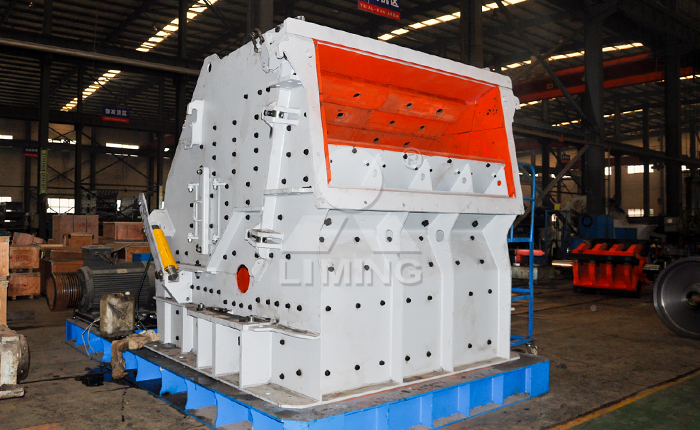
-
Are there any environmental concerns associated with dolomite mining?
Like all quarrying operations, responsible management is required to address potential impacts such as habitat disturbance, dust generation, noise, vibration from blasting,and visual changes to the landscape.Mitigation measures include progressive land reclamation,dust suppression systems,and compliance with strict airand water quality regulations.Companies often operate under detailed Environmental Impact Assessments(EIAs)and permits.
5.Can synthetic alternatives replace naturaldolomit ein these industries?
In most bulk applications,the economics favor naturally occurringdolomit e due t oits widespread availabilityand low extraction cost.Synthetic magnesium compounds(e.g.,magnesia derived from seawateror brines)can substitute fordolomit ein high-purity applicationslike specialty refractories,but theyare generally more expensive.For useslike construction aggregateor agricultural lime,naturaldolomit e remains irreplaceableon acostand scale basis