
components of mining industry in sa
Components of the Mining Industry in South Africa
Overview
The mining industry in South Africa is a cornerstone of the nation’s economy, contributing significantly to GDP, employment, and export revenues. This sector comprises several key components, including mineral extraction, processing, infrastructure, regulatory frameworks, and environmental management. South Africa is globally recognized for its abundant reserves of platinum group metals (PGMs), gold, diamonds, coal, and iron ore. This article explores the major components of the mining industry in South Africa, compares key sectors, and addresses frequently asked questions.
Key Components of the Mining Industry
1. Mineral Resources & Extraction
South Africa possesses some of the world’s richest mineral deposits:
- Platinum Group Metals (PGMs): Accounts for ~80% of global reserves (USGS 2023).
- Gold: Historically dominant but declining due to deeper and more expensive extraction.
- Coal: A major energy source and export commodity.
- Diamonds & Iron Ore: Significant contributors to export earnings.
2. Mining Methods & Technologies
Different minerals require distinct extraction techniques:
| Mineral | Primary Extraction Method | Key Challenges |
|---|---|---|
| Gold | Deep-level hard rock mining | High costs, safety risks |
| Platinum | Underground & open-pit mining | Labor-intensive processes |
| Coal | Open-cast & underground mining | Environmental pollution concerns |
| Diamonds | Alluvial & kimberlite pipe mining | Declining high-quality reserves |
3. Processing & Refining
After extraction, minerals undergo processing:
- Gold is refined using smelting or cyanide leaching (e.g., Rand Refinery).
- PGMs are processed via flotation and smelting (e.g., Anglo American Platinum’s operations).
4. Infrastructure & Logistics
South Africa has well-developed rail (Transnet Freight Rail) and port infrastructure (Richards Bay Coal Terminal) to support exports. However, inefficiencies like port delays remain a challenge.
5. Regulatory & Environmental Framework
The industry operates under:
- The Minerals and Petroleum Resources Development Act (MPRDA) – governs licensing.
- The Mine Health and Safety Act – ensures worker protections.
Environmental rehabilitation is mandatory post-mining (e.g., AngloGold Ashanti’s land restoration projects).
Case Study: Sibanye-Stillwater’s PGM Operations
Sibanye-Stillwater, a major player in South Africa’s PGM sector, employs mechanized mining techniques to improve efficiency at its Marikana operations. The company has also invested in renewable energy solutions to reduce reliance on Eskom’s unstable grid—showcasing how innovation can address power challenges in deep-level mining. 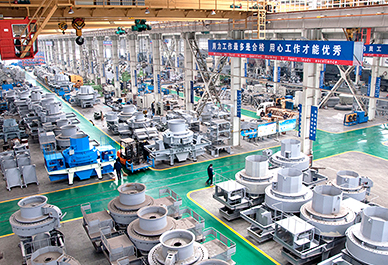
Frequently Asked Questions (FAQs)
1. Which mineral contributes the most to South Africa’s mining revenue?
Platinum group metals (PGMs) currently generate the highest revenue due to strong global demand for catalytic converters in vehicles (Chamber of Mines SA Report 2023). .jpg)
2. How does South Africa’s gold production compare historically?
Gold output has declined from ~1,000 tonnes in 1970 to ~90 tonnes in 2023 due to depleted easy-to-access reserves and rising costs (Stats SA).
3. What are the biggest challenges facing SA’s mining sector?
Key issues include: electricity shortages (Eskom crises), labor disputes, regulatory uncertainty, and environmental compliance costs.
4. Does South Africa still have significant diamond reserves?
Yes, but high-quality gemstones are declining; most production now comes from industrial-grade diamonds mined by companies like De Beers in Venetia Mine.
5. How is automation changing mining in South Africa?
Companies like Impala Platinum are adopting autonomous drills and AI-based ore sorting to improve safety and productivity amid labor cost pressures.
Conclusion
South Africa’s mining industry remains diverse but faces structural challenges requiring innovation and policy stability. While PGMs and coal dominate current output, sustainable practices and technological adoption will shape future growth.