
granite quarry bengaluru karnataka india
Granite Quarrying in Bengaluru, Karnataka, India: An Overview
The region around Bengaluru, the capital city of Karnataka, India, is a significant hub for granite quarrying and processing. Karnataka is renowned for its rich and diverse geological reserves of granite, with varieties like Absolute Black, Imperial Red, Hassan Green, and Magadi Pink being sourced from quarries within a 100-200 km radius of the city. The industry around Bengaluru serves as a critical link between raw stone extraction and the global construction and monument sectors, leveraging the area's natural resources, skilled labor, and established infrastructure for cutting, polishing, and export.
Key Granite Varieties and Their Characteristics
The quarries near Bengaluru yield distinct types of granite, each with unique properties that determine its application. The following table contrasts some of the prominent varieties:
| Granite Variety | Primary Color & Pattern | Key Quarry Locations (District) | Common Applications | Notable Properties |
|---|---|---|---|---|
| Absolute Black | Solid deep black, fine-grained | Chikkaballapur, Kolar | Countertops, floor tiles, monumental slabs | High density, uniform color, takes excellent polish. |
| Imperial Red | Vibrant red with black/white specks | Chamarajanagar, Mysuru | Flooring, wall cladding, decorative items | Striking appearance, good durability. |
| Hassan Green / Forest Green | Olive to dark green background | Hassan | Both interior and exterior cladding | Unique color, often used for distinctive design accents. |
| Magadi Pink / Pink Multi-Color | Pink base with multi-colored grains (grey, black) Ramanagara (Magadi) | Wall cladding paving stones rustic flooring Known for its rustic aesthetic durability. |
The extraction process typically involves advanced wire saws and diamond-tipped drills to minimize waste and ensure large block recovery. Post-extraction blocks are transported to nearby cluster-based processing units in regions like Jigani Bommasandra and Hosur (in neighboring Tamil Nadu) for cutting polishing finishing.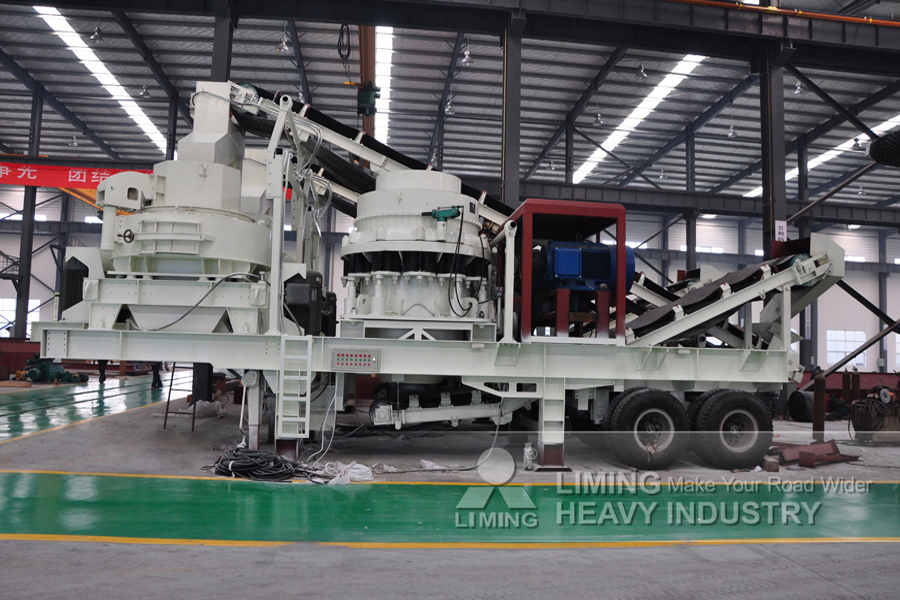
A Real-World Case Study: Technology Adoption for Sustainability
A major challenge in traditional quarrying has been resource waste and environmental impact. A notable case is the adoption of Wire Saw Technology by several quarries in the Chikkaballapur district.
- Problem: Conventional methods like blasting or channeling with jackhammers resulted in up to 60-70% waste generation irregular block sizes reduced yield.
- Solution: Investment in diamond wire saws which use a steel wire embedded with diamond segments cooled by water to cut through granite.
- Implementation: One documented quarry shifted entirely to wire saws for primary block separation secondary cutting.
- Results:
- Yield Increase: Block recovery improved by approximately 40-50% due to precise cuts.
- Waste Reduction: Generated waste (quarry dust rubble) was significantly reduced.
- Block Quality: Extracted blocks had fewer internal cracks were larger more uniform enabling higher-value slab production.
- Environmental Impact: Reduced noise dust compared to blasting; water used in process was recycled through settling ponds.
This technological shift documented by industry reports from the Confederation of Indian Industry (CII) and the Stone Federation of Great Britain demonstrates how innovation drives both economic efficiency environmental stewardship in the Bengaluru granite belt.
Frequently Asked Questions (FAQs)
1. Why is Karnataka particularly famous for granite?
Karnataka's geological formation includes some of the oldest peninsular gneissic complexes (over 2.5 billion years old) known as the Dharwar Craton. This ancient bedrock is the source of high-quality durable granites in a wide array of mineral compositions resulting in diverse colors patterns making it one of India's leading states in dimensional stone production.
2. Is all processing done at the quarry site?
No typically not. The model around Bengaluru involves a cluster-based supply chain. Raw blocks are extracted from quarries primarily located in rural districts then transported to centralized industrial clusters like Jigani on Bangalore's outskirts or Hosur for processing. These clusters house numerous factories equipped with gang saws polishing lines resin lines etc., creating an efficient ecosystem.
3. What are the major environmental concerns associated with quarrying?
Primary concerns include depletion of groundwater dust pollution noise from machinery visual scarring of landscapes disposal of slurry (a mixture of water fine stone particles). Responsible quarries are now mandated to obtain environmental clearances implement measures like rainwater harvesting slurry recycling units phased land reclamation.
4. Where is most of this granite exported to?
Granite processed around Bengaluru is exported globally via ports like Chennai Krishnapatnam Major markets include the United States Canada European Union members (Italy Germany UK) Middle East Australia East Asia It is used for kitchen countertops flooring tiles building facades memorials.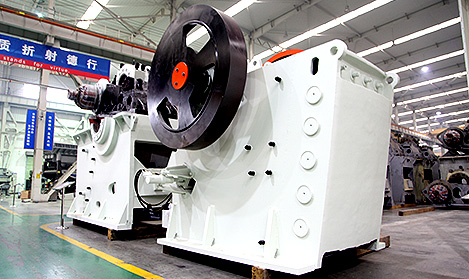
Sources & Basis: Information synthesized from geological surveys of India reports by the Indian Bureau Mines industry analyses from Stone Federation Great Britain CII-Sohrabji Godrej Green Business Centre case studies on sustainable quarrying technical journals on wire saw technology export data from Indian Granite Stone Association