
gypsum calciner machine
Gypsum Calciner Machine: A Comprehensive Guide
Overview
A gypsum calciner machine is a specialized industrial equipment designed to heat gypsum (calcium sulfate dihydrate) to remove its water content, converting it into calcium sulfate hemihydrate (stucco) or anhydrite. This process, known as calcination, is essential in the production of plaster, drywall, and other gypsum-based construction materials. The calciner ensures precise temperature control and uniform heating to achieve the desired material properties. This article explores the working principle, types, comparisons, and real-world applications of gypsum calciner machines.
Types of Gypsum Calciner Machines
Gypsum calciners can be categorized into two main types based on their heating method:
- Direct-Fired Calciners – Use combustion gases directly in contact with gypsum.
- Indirect-Fired Calciners – Heat gypsum through an external heat exchanger, avoiding direct contact with combustion gases.
Comparison Table: Direct-Fired vs. Indirect-Fired Calciners
| Feature | Direct-Fired Calciner | Indirect-Fired Calciner |
|---|---|---|
| Heating Method | Direct contact with hot gases | Indirect heat transfer via exchanger |
| Energy Efficiency | High (less heat loss) | Slightly lower (heat loss in transfer) |
| Product Purity | Risk of contamination | Higher purity (no gas contact) |
| Maintenance | More frequent (combustion deposits) | Less maintenance required |
| Cost | Lower initial cost | Higher initial investment |
Key Applications & Real-World Case
Gypsum calciner machines are widely used in:
- Drywall production – Producing stucco for wallboard.
- Plaster manufacturing – Creating molding and casting plasters.
- Cement industry – Adjusting setting properties in cement blends.
Real Case Study: USG Boral Plant in Thailand
USG Boral, a leading manufacturer of gypsum products, implemented an indirect-fired rotary calciner in their Thailand facility to improve product consistency. By switching from a direct-fired system, they reduced impurities and achieved a more uniform stucco quality, enhancing the final drywall strength and setting time. 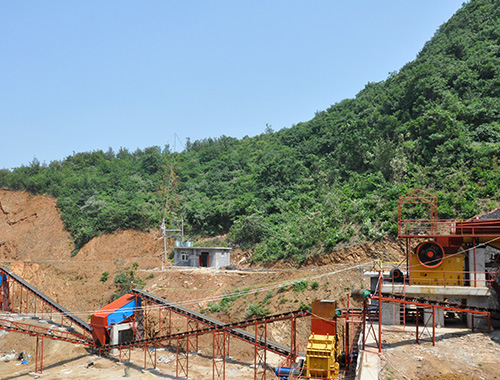
Frequently Asked Questions (FAQs)
1. What is the ideal temperature for gypsum calcination?
The optimal temperature range is 150–180°C for hemihydrate (plaster of Paris) and 350–500°C for anhydrite.
2. Can a gypsum calciner process recycled gypsum (synthetic gypsum)?
Yes, modern calciners can handle both natural and synthetic gypsum (e.g., FGD gypsum from flue gas desulfurization). .jpg)
3. How does calciner efficiency impact energy consumption?
Efficient heat recovery systems can reduce energy use by up to 20–30%, lowering operational costs.
4. What maintenance is required for a gypsum calciner?
Regular inspection of burners, heat exchangers, and refractory linings is necessary to prevent efficiency loss.
5. Are there environmental concerns with gypsum calcination?
Modern calciners integrate emission control systems (e.g., bag filters) to minimize dust and SO₂ emissions, complying with environmental regulations.
Conclusion
Gypsum calciner machines play a crucial role in transforming raw gypsum into valuable construction materials. The choice between direct and indirect firing depends on cost, product purity, and maintenance considerations. With advancements in energy efficiency and emission control, these systems continue to evolve, supporting sustainable gypsum processing worldwide.