
clean aggregate machine
Clean Aggregate Machine: A Practical Guide to Improving Aggregate Quality
Aggregate washing and cleaning is not a single machine but a multi-stage process system designed to remove clay, lanau, debu, and lightweight organic impurities from crushed stone and sand. The core purpose of a clean aggregate machine setup is to ensure the final product meets strict specifications for concrete, aspal, and drainage applications. This article outlines the main equipment types, their operational differences, and the practical considerations for selecting a system, supported by real-world installation data.
The Core Equipment: What Actually Cleans the Aggregate?
Istilahnya "clean aggregate machine" typically refers to one of three primary devices, each using a different physical principle. The choice depends on the feed material and the required product cleanliness.
1. Mesin Cuci Log (Mesin Cuci Bahan Kasar)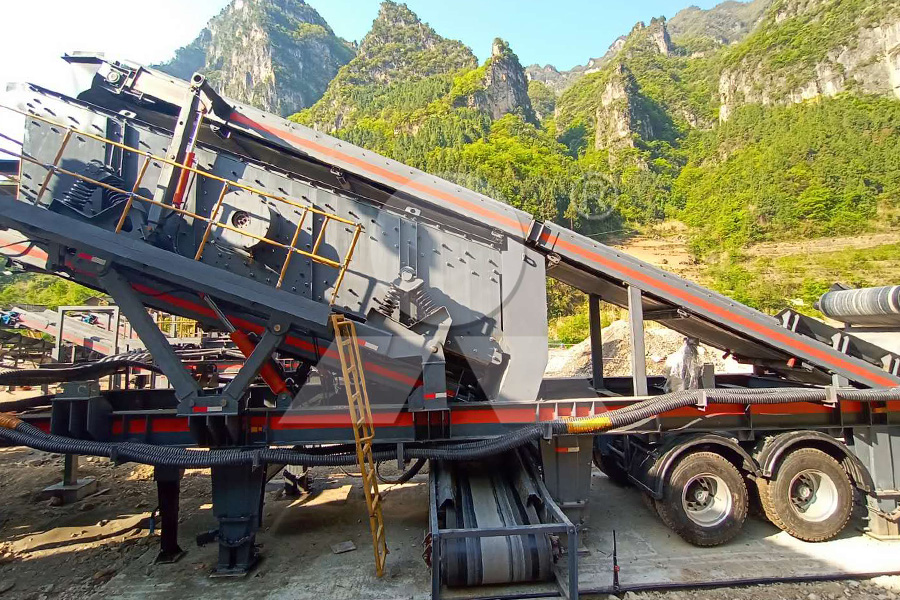
- Fungsi: Uses two counter-rotating shafts with paddles to create intense attrition between aggregate particles (khas 5-100 mm). This scrubbing action breaks down plastic clays and cemented coatings.
- Terbaik Untuk: Heavily clay-bound gravel or crushed rock, often from alluvial deposits.
- Water Use: Tinggi (Memerlukan 1-2 m³ of water per tonne of feed).
2. Pengklasifikasi pasir (Fine Material Washer)
- Fungsi: Uses a settling tank and a screw or bucket wheel to separate sand (0.075-5 mm) from water and silt. The screw conveys the sand up an incline, allowing water and fine particles to overflow.
- Terbaik Untuk: Removing silt and organic matter from manufactured sand or natural sand.
- Key Metric: Cut point (khas 75 mikron). Material finer than this is discarded.
3. Hydrocyclone System (For Ultra-Fines)
- Fungsi: Uses centrifugal force to separate fine solids (dikurangi 0.25 mm) from water. Often paired with a dewatering screen.
- Terbaik Untuk: Recovering fine sand that would otherwise be lost in a screw classifier, or for removing minus-75-micron silt from wash water.
- Catatan: This is a secondary process, not a standalone cleaner.
Comparison of Cleaning Efficiency and Cost
To make a practical choice, consider the following comparison based on typical plant data:
| Parameter | Mesin Cuci Log | pengklasifikasi sekrup | Hidrosiklon |
|---|---|---|---|
| Kisaran Ukuran Pakan | 5 - 100 mm | 0.075 - 5 mm | 0.05 - 0.5 mm |
| Primary Contaminant | Plastic clay, cemented lumps | lanau, loam, lightweight organics | Ultra-fine silt (dikurangi 75 mikron) |
| Wash Intensity | Tinggi (Erosi) | sedang (Penyelesaian gravitasi) | Tinggi (Sentrifugal) |
| konsumsi air | 1.5 - 2.5 m³/ton | 0.5 - 1.0 m³/ton | 2.0 - 3.0 m³/ton (Daur ulang) |
| Typical Sand Loss | T/A (coarse only) | 5 - 10% of feed (fines lost) | < 3% (with recovery) |
| Biaya Modal (Relatif) | Tinggi | sedang | Sedang-Tinggi (with pumps) |
Catatan: Water consumption figures are based on typical manufacturer specifications (MISALNYA., Terex Washing Systems, CDE Global) for medium-hard aggregates.
Kasus Dunia Nyata: Solving a Clay Problem in a River Terrace Deposit
lokasi: A sand and gravel pit in the Midwest, Amerika Serikat.
Masalah: The feed material contained 8-12% plastic clay (Bentonit) bound to the 20-40 mm kerikil. The existing screen-only plant could not meet the ASTM C33 specification for concrete aggregate (Maks 0.5% clay lumps and friable particles)..jpg)
Solusi Diimplementasikan:
- Pemutaran Utama: A vibrating screen with 5 mm mesh removed the sand fraction.
- Mesin Cuci Log: Itu 5-40 mm material was fed into a 36-inch twin-shaft log washer with a 10-foot long box. Retention time was set to 45 detik.
- Rinse Screen: The washed coarse aggregate passed over a single-deck rinse screen with spray bars (Pada 2 bar pressure) to remove the loosened clay slurry.
- Pengolahan Air: The slurry from the log washer and rinse screen went to a hydrocyclone to recover the fine sand (0.15-5 mm), which was then blended back into the final sand product.
Hasil:
- Clay content in the final coarse aggregate dropped from 8-12% ke bawah 0.3% (measured by ASTM C142).
- The plant recovered 95% of the saleable sand that would have been lost as waste.
- Total water consumption was reduced by 40% by recycling the clarified water from the hydrocyclone overflow back to the log washer.
Key Operational Factors to Avoid Common Failures
- Kontrol Umpan: Do not overload the log washer. A surge bin with a variable speed feeder is essential. Overloading causes the paddles to stall and reduces scrubbing action.
- tekanan air: Rinse screens require a minimum of 2.5 bar at the spray bars. Lower pressure results in clay smearing back onto the aggregate.
- Settling Pond Management: If you use a screw classifier without a hydrocyclone, you must have a properly sized settling pond. The overflow water contains suspended silt that must be flocculated before reuse, or it will recoat the aggregate.
Pertanyaan Umum
1. Can I use a screw classifier to wash coarse aggregate (20 mm kerikil)?
TIDAK. A screw classifier is designed for fine material (di bawah 5 mm). Feeding coarse gravel into it will damage the screw flights and the gearbox. Use a log washer or a rotating drum scrubber for coarse material.
2. Apa perbedaan antara a "penggosok" dan sebuah "Mesin cuci"?
A scrubber (Penggosok Drum) uses tumbling action inside a rotating cylinder to break down soft rock and clay. A washer (Mesin Cuci Log) uses mechanical paddles for attrition. For hard rock with clay coatings, a log washer is more effective. For soft stone that breaks down, a drum scrubber is better.
3. How much water does a clean aggregate machine need?
It varies. A log washer needs about 1.5-2.5 m³ per tonne. A screw classifier needs less (0.5-1.0 m³/ton) but loses fine sand. Most modern plants use a water treatment system (pengental + Saring Tekan) to recycle 90% of the water, reducing fresh water intake to about 0.1-0.2 m³ per tonne.
4. Why is my washed sand still failing the silt content test?
The most common cause is insufficient retention time in the classifier. If the sand is fed too fast, the settling velocity is exceeded, and silt is carried out with the sand. Check the overflow weir height and reduce the feed rate. Juga, ensure the water temperature is above 10°C, as cold water increases viscosity and reduces settling efficiency.
5. Is a clean aggregate machine necessary for all aggregate types?
TIDAK. If you are crushing hard, clean granite or basalt from a quarry face, you may only need a rinse screen to remove dust. A full washing system is only required when the deposit contains clay, lanau, or organic matter that cannot be removed by dry screening or air classification.