
machine produces crushed granite
Machine Produces Crushed Granite: An Overview of Production and Applications
Crushed granite is a fundamental construction and landscaping material, produced by mechanically breaking down large granite rocks into smaller, specific-sized aggregates. This process is accomplished through a series of machines, primarily crushers and screens, which work in tandem to transform raw quarry stone into versatile commercial products. The production line typically involves stages of primary crushing, secondary crushing, screening, and sometimes washing or further sorting. The resulting material ranges from coarse aggregates for road bases to fine decorative stones for gardens. This article outlines the production process, compares key equipment types, presents real-world applications, and addresses common questions about the machinery and output.
The Production Process: From Quarry to Aggregate
The journey begins at a granite quarry where large blocks are extracted. These blocks are fed into a primary crusher, often a jaw crusher or gyratory crusher, which reduces them to roughly 6- to 8-inch pieces. The crushed material is then conveyed to a secondary crusher, such as a cone crusher or impact crusher, for further reduction. Following this, the material passes through vibrating screens that sort it into various sizes (e.g., ¾ inch, ½ inch, stone dust). Oversized pieces are recirculated back into the crushers. Modern plants may include additional stages like tertiary crushing for finer products or washing systems to remove dirt and clay.
Key Crusher Types: A Comparative Analysis
Different crushers are employed based on the required product size, hardness of the granite, and production capacity. Below is a comparison of three common types used in granite crushing:
| Crusher Type | Working Principle | Best For | Typical Output Size Range | Advantages |
|---|---|---|---|---|
| Jaw Crusher | Compressive force via a fixed and a movable jaw plate. | Primary crushing (first break). | 4" - 8" down to 1" - 3". | High reliability, simple structure, handles large feed size. |
| Cone Crusher | Compression between a rotating mantle and concave bowl liner. | Secondary/Tertiary crushing (finer reduction). | 1" - 4" down to < ¼". | Produces well-shaped aggregate, efficient for hard abrasive stone like granite. |
| Impact Crusher | High-speed impact from hammers/blow bars against the rock. | Secondary crushing; producing more cubical products. | 1" - 3" down to < ½". Excellent for cubical shape. Higher wear on abrasive granite compared to cone crushers. |
Real-World Application: The Vulcan Materials Company Quarry
A concrete example of large-scale crushed granite production can be seen at operations run by major aggregate producers like Vulcan Materials Company. At their facilities (e.g., certain quarries in Georgia, USA), integrated crushing plants process local granite.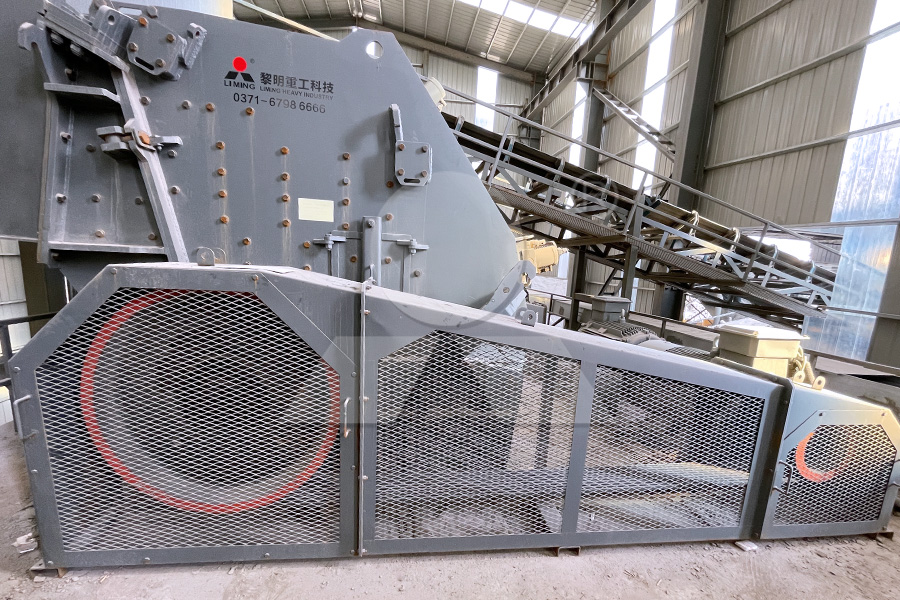
- Process: They utilize jaw crushers for primary reduction followed by cone crushers in closed circuit with screens to produce precise aggregate gradations.
- Product Use: The crushed granite is used as:
- Base Material: For interstate highway construction (e.g., I-85 corridor projects), providing a stable foundation.
- Concrete Aggregate: Supplied to ready-mix plants for building construction.
- Railroad Ballast: Sized granite provides drainage and stability for railway tracks.
- Erosion Control: Riprap (large stones) for shorelines and drainage ditches.
This case demonstrates how dedicated machinery transforms raw granite into essential infrastructure materials.
Frequently Asked Questions (FAQ).jpg)
Q1: What is the main difference between crushed granite and gravel?
A: The key difference is the source material. Crushed granite is mechanically produced from solid granite bedrock, resulting in angular, fractured faces that lock together well for stability. Gravel is naturally weathered and rounded material often collected from riverbeds or glacial deposits; it is generally smoother.
Q2: What factors determine the choice between a cone crusher and an impact crusher for granite?
A: For hard and abrasive stone like granite, cone crushers are generally preferred for secondary crushing due to their lower wear cost per ton and ability to produce consistent sizing. Impact crushers may be chosen when a more cubical product shape is paramount and maintenance costs for frequent wear part replacement are acceptable.
Q3: Can crushed granite production be environmentally managed?
A: Yes modern quarries implement significant mitigation measures These include water spray systems for dust suppression enclosed conveyors recycling process water in closed loop systems strategic berms and buffers for noise reduction and detailed site reclamation plans post operation
Q4: What does "gradation" mean in crushed granite specifications?
A Gradation refers to the particle size distribution of the aggregate mix It specifies the percentage by weight of particles within different size ranges Proper gradation as defined by standards like ASTM C33 or local DOT specifications ensures optimal compaction strength drainage properties
Q5 How is very fine granite dust or screenings typically used?
A Granite screenings or stone dust are byproducts of the crushing process They are commonly used as a base layer under pavers or flagstones providing excellent compaction as a stabilizing filler material In some cases they can be mixed with binders